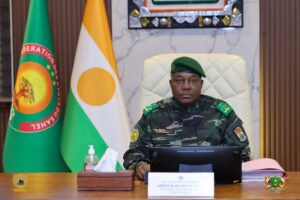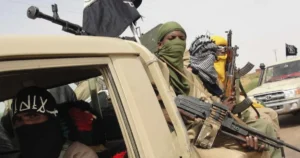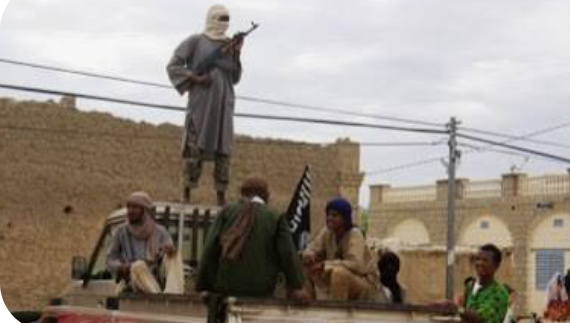
As of April 25, the security landscape in Mali is becoming increasingly precarious, despite the transition government’s efforts to stabilize the nation through a heavy military alliance with Moscow. The effectiveness of a purely military strategy, supported by Russian paramilitaries, is being called into question as Kidal sees negotiated withdrawals and Kati, the seat of power, experiences a sudden resurgence of violence.
Kidal evacuation talks: A sign of desperation
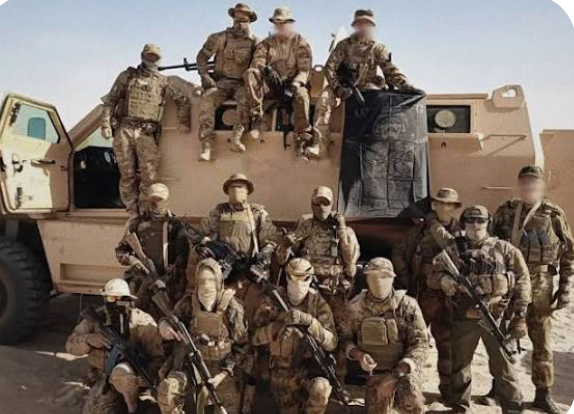
A significant shift is occurring in the northern region of the country. Reports suggest that an informal agreement has been reached between Tuareg rebel factions and Russian auxiliary forces to facilitate the departure of the latter from specific sectors in Kidal. While this move is framed as a way to minimize casualties, it essentially serves as an admission of failure. For the authorities in Bamako, who viewed the total reclamation of Kidal as a pillar of national sovereignty, the sight of their Russian allies negotiating a safe exit highlights a grim reality: external military support, whether from the West in the past or Russia today, struggles to bring lasting peace to such a volatile environment.
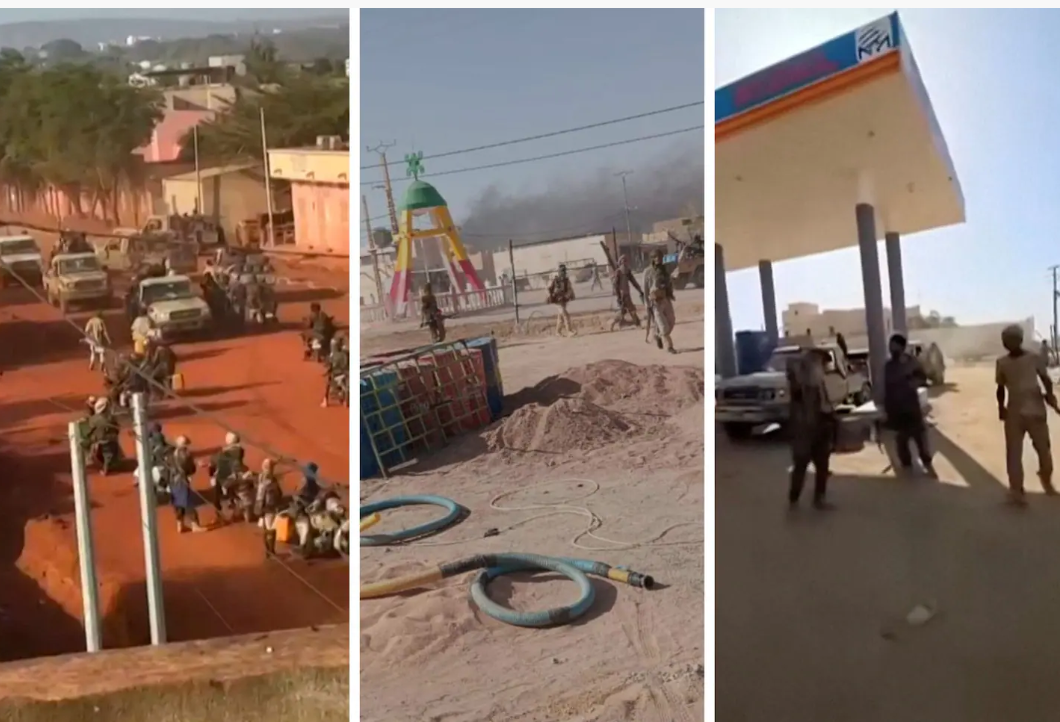
Tensions rise in Kati: The heart of power under threat
While the North continues to burn, instability is creeping into the South. The return of active combat to Kati, a strategic garrison town located just fifteen kilometers from the capital, has sent shockwaves through the public. Kati is not merely a military outpost; it is the nerve center of the current administration and the birthplace of its most critical decisions. The outbreak of hostilities here suggests that the state’s protective shell is cracking. Insecurity is no longer confined to the remote borders; it is knocking on the door of the presidency, despite the promised strengthening of the Malian army and the logistical backing of its Russian partners.
The shortcomings of the Russian security model
The deployment of the Wagner group, now operating under the Africa Corps banner, was marketed as the definitive answer to terrorism and regional rebellion. However, after years of this partnership, the results are disheartening. Violence continues to spread, moving ever closer to major urban centers. This strategic deadlock illustrates that raw military force cannot substitute for political and administrative solutions in neglected regions. Furthermore, by severing ties with traditional regional and international allies to rely on a single entity, Mali has entered a state of military dependence that is failing to yield results on the ground.
Russia, primarily focused on its own geopolitical objectives, appears ill-equipped to handle the asymmetric warfare plaguing the Sahel. This type of conflict demands sophisticated intelligence and social integration rather than just heavy-handed tactics. The current situation in Mali makes it clear that safety cannot be bought with mercenary contracts. The setbacks in Kidal and the fragility of Kati point to a truth the transition authorities must eventually face: the conflict in Mali cannot be resolved through military means alone, and certainly not through an exclusive reliance on Russian forces. Without a move toward inclusive governance and a revised defense strategy, Mali risks falling further into a cycle of conflict that its current allies seem unable to stop.