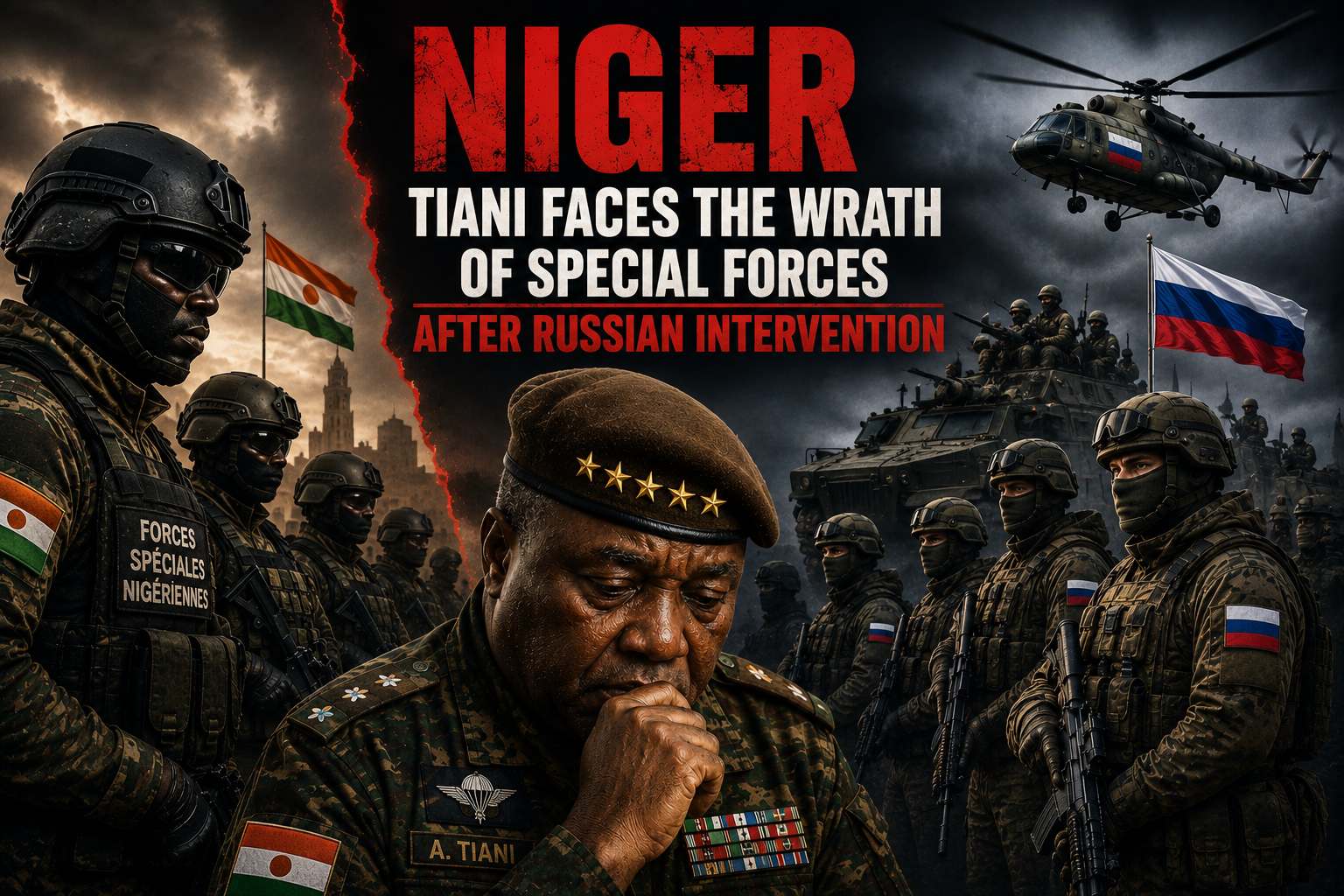
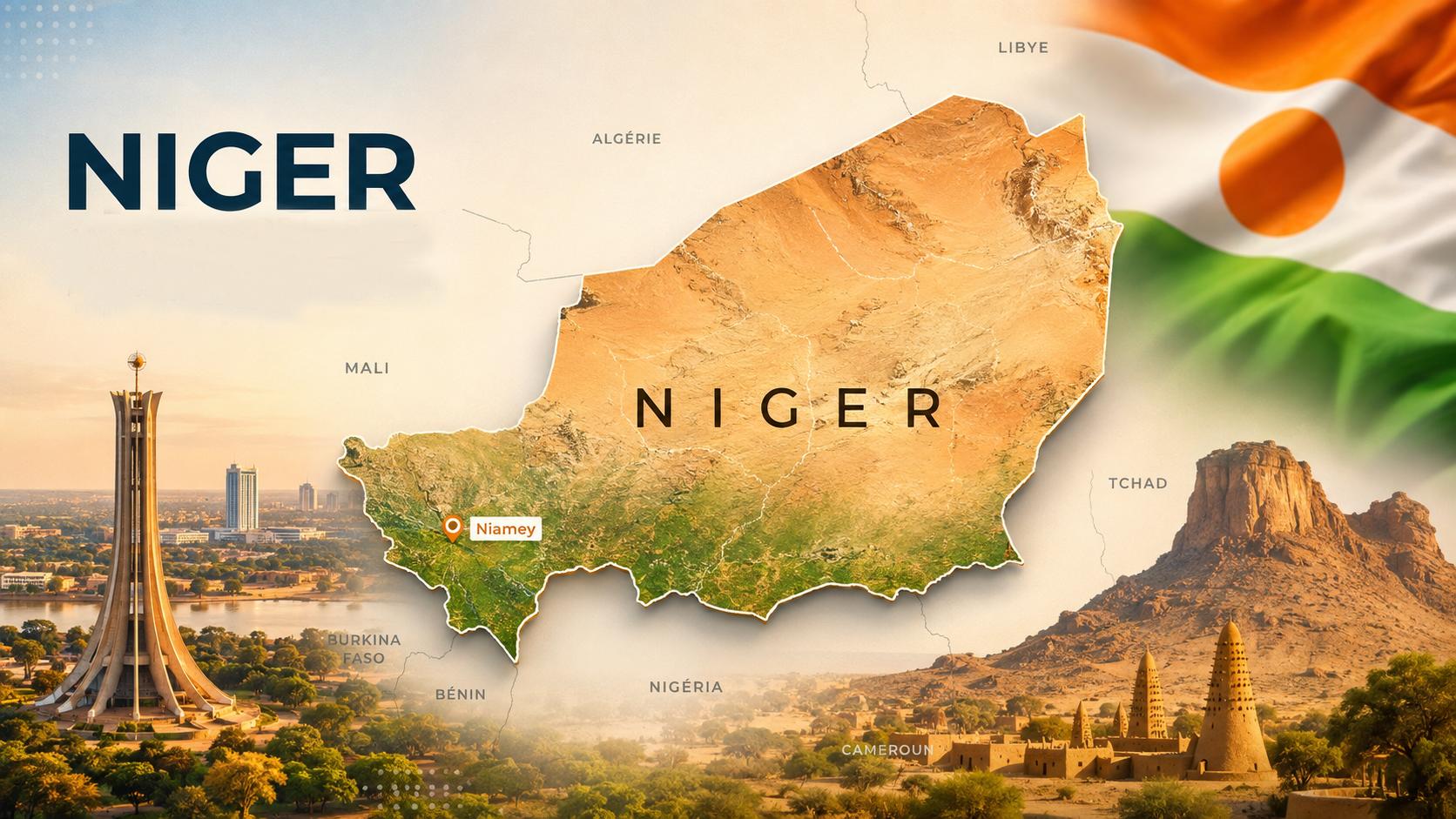
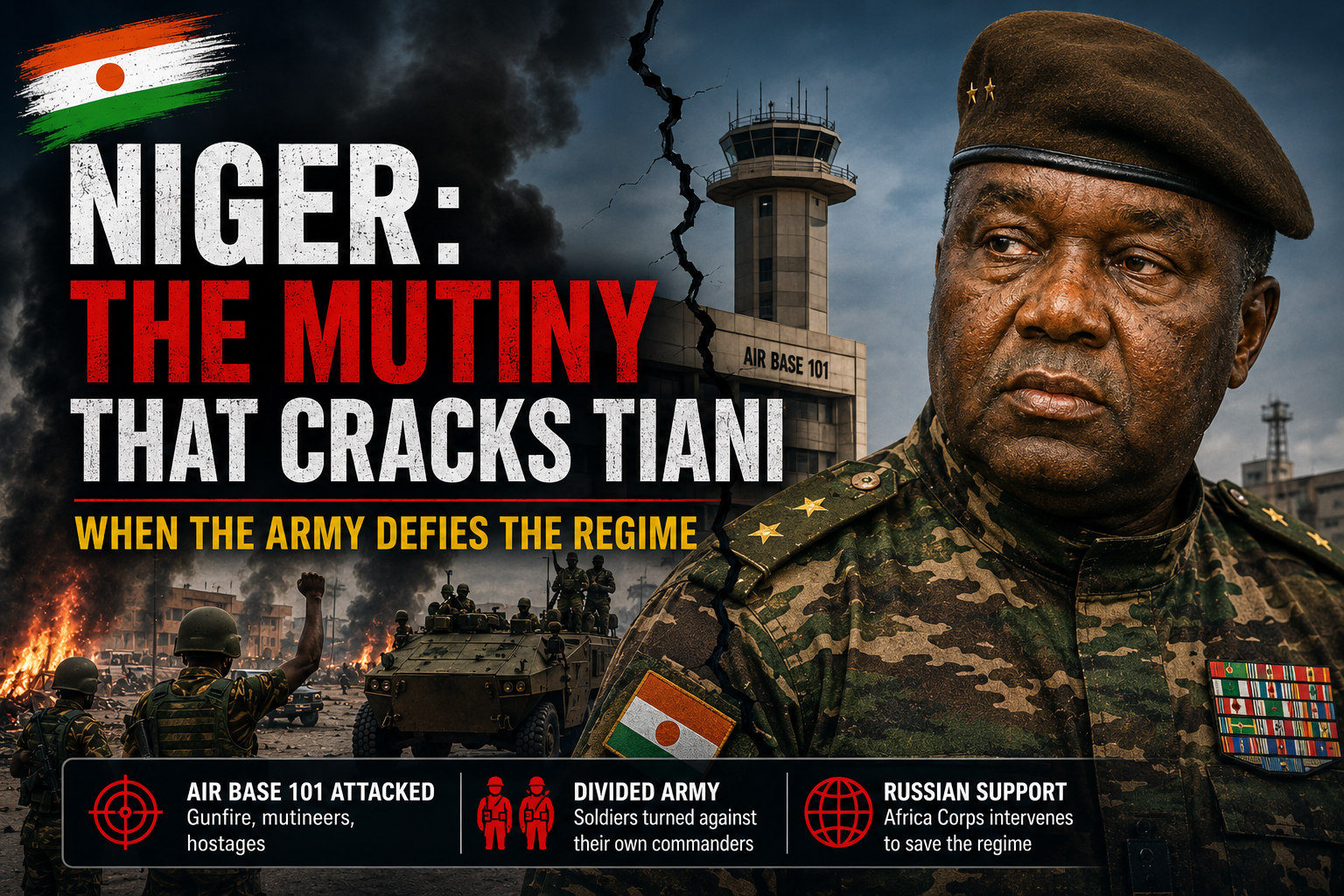
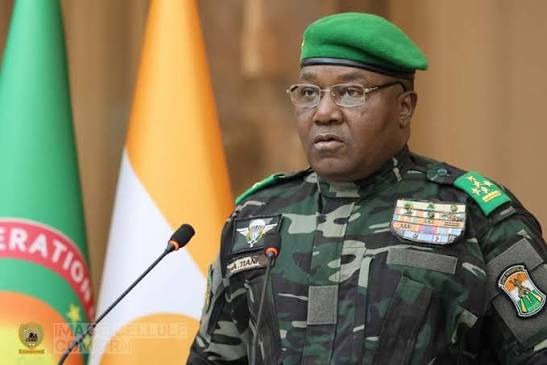
In Niamey, the apparent calm following the events of August 29 may conceal deeper tensions. Behind the official statements and assurances of control, a pressing question emerges: is the Nigerien military’s chain of command as unified as it claims? Appearances can be deceiving. Traffic has resumed in Niamey, authorities are communicating, and the government seems to have moved past the August 29 incident. However, in military regimes, a return to calm on the streets does not necessarily mean a return to normalcy in the barracks. This is where the main…
Read MoreCategory: Chronicle
Niger’s path to stability: why democracy must replace the cycle of coups
The political narrative of Niger over the past fifty years reads like a relentless loop of dashed hopes. From the downfall of Hamani Diori in 1974 to the gunfire echoing through the streets of Niamey on August 29, 2026—spanning regimes led by Baré Maïnassara and Salou Djibo—the nation has repeatedly turned to military force in search of solutions to its crises. Yet the stark reality of five decades of instability is undeniable: no coup d’état has ever delivered sustainable progress in development, national unity, or security. Each military takeover arrives…
Read MoreInternal dissent: a military challenge to the Tiani regime in Niger
The profound incident of Saturday, August 29, 2026, in Niamey cannot be simply rationalized by official narratives or mischaracterized as mere “revolutionary zeal” among troops. The coordinated assault by military factions on Air Base 101 and several critical installations within the capital marks an exceptionally grave rupture in the regime’s recent history. The government itself confirmed that a contingent of soldiers had apprehended some of their colleagues before initiating hostilities against vital strategic points. The magnitude of this event far transcends the scope of a mere “dissatisfaction.” When military dissent…
Read MoreThe boomerang effect: tiani’s regime grappling with the perils of armed power seizure
A strikingly predictable and almost mechanical pattern continues to unfold in Niamey. Regimes may shift, and figures at the helm may change, yet the underlying methodology remains disconcertingly consistent. When the sounds of heavy gunfire and detonations once again tore through the night near Niamey’s presidential palace and airbase, the populace collectively held its breath, gripped by a painful sense of déjà vu. Whether these incidents stem from frustrated garrison mutinies or intense rivalries within the military hierarchy, they are not random occurrences. Instead, they serve as direct symptoms of…
Read MoreNiamey tensions: examining the alleged africa corps withdrawal
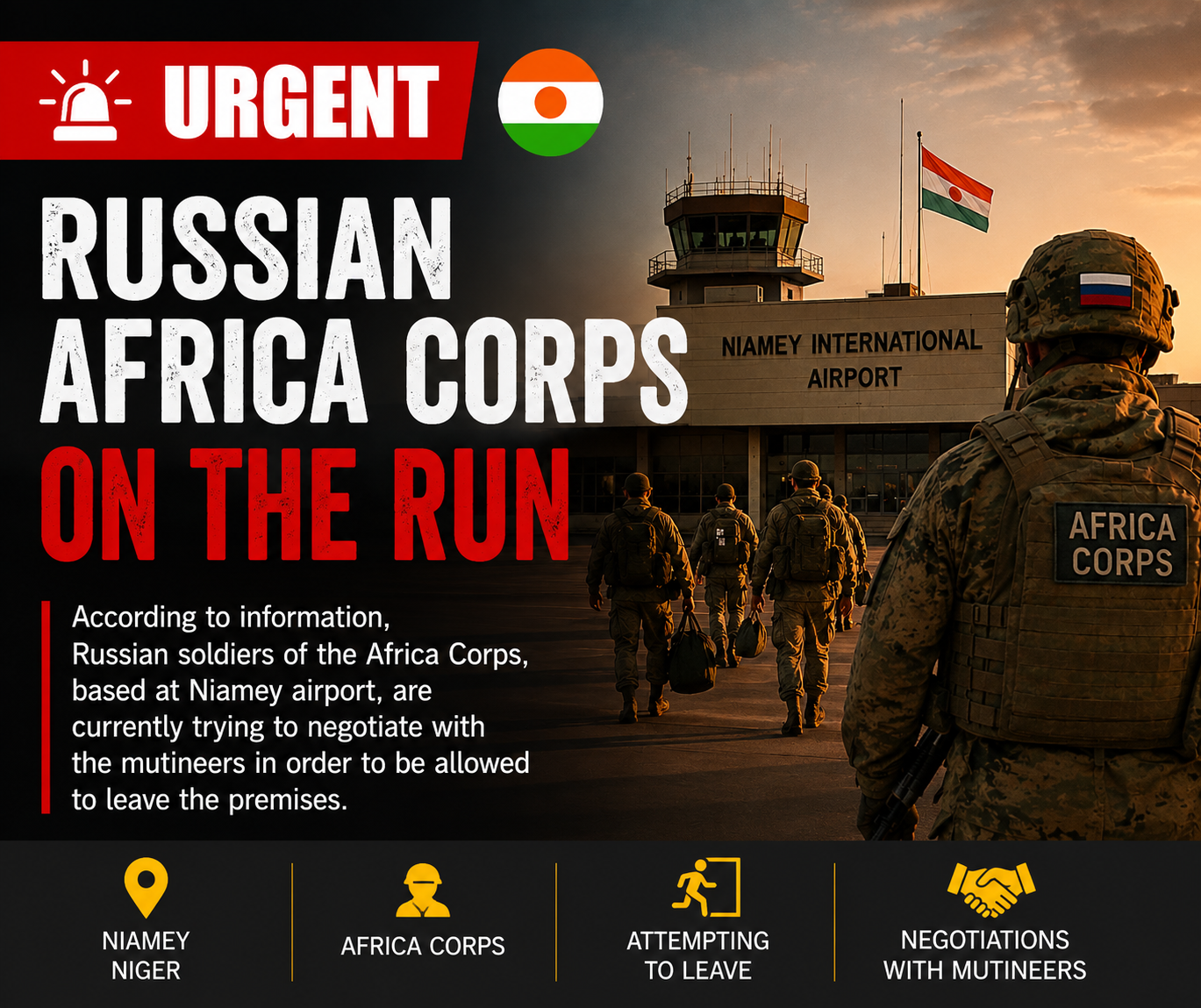
Recent disturbances and gunfire reported around Niamey’s Diori-Hamani International Airport have brought to light a significant situation: elements of Russia’s Africa Corps are reportedly engaged in urgent negotiations with Nigerien military personnel controlling the site, seeking their departure. Should these accounts be substantiated, this incident transcends a mere security breach at an airport. It would serve as a stark revelation of the inherent vulnerabilities within the security paradigm embraced by several Sahelian military administrations. The fallacy of the ‘unassailable ally’ Having disengaged from their conventional partners, various juntas across the…
Read MoreBurkina Faso’s security landscape: a contested narrative
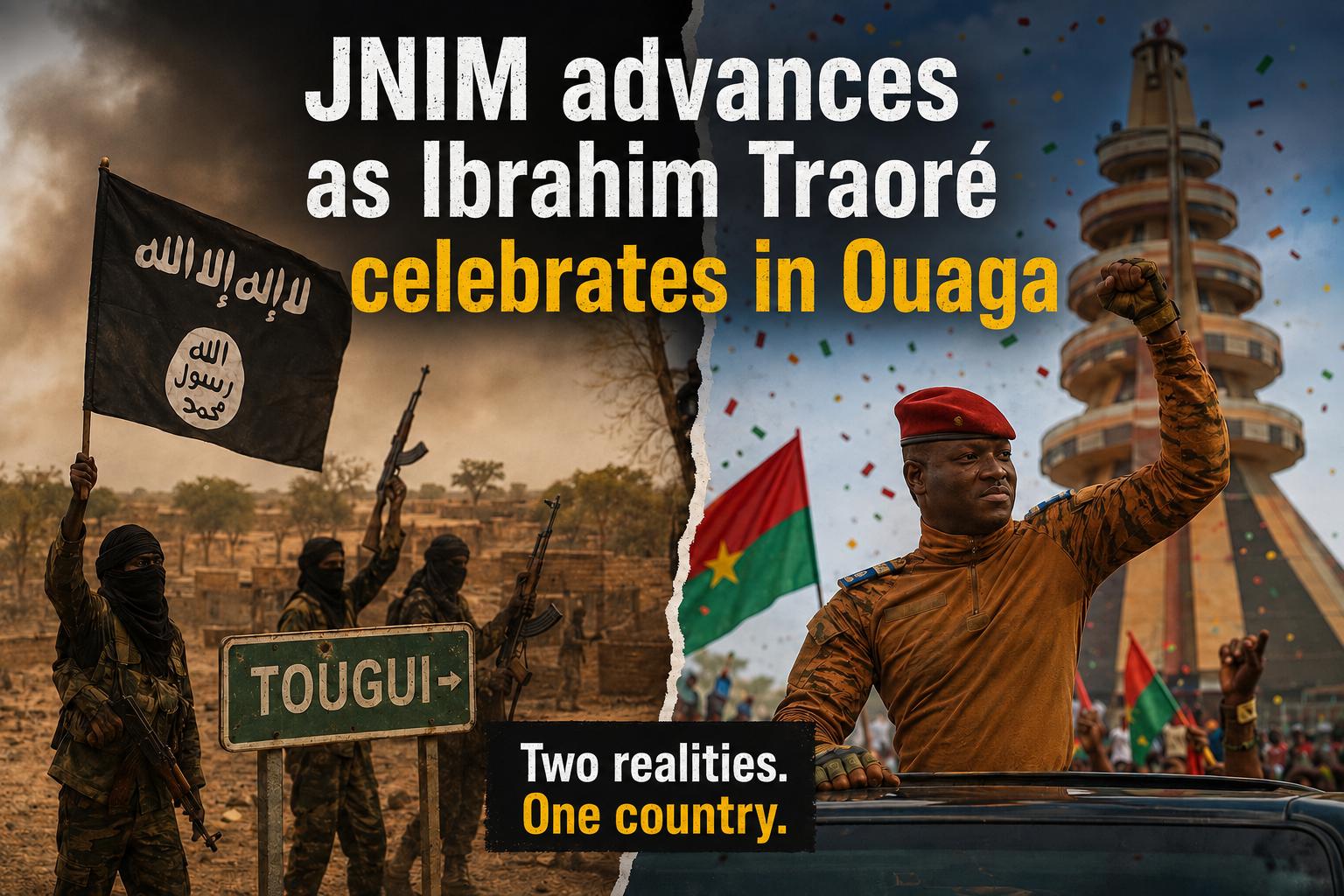
While official communications from Captain Ibrahim Traoré consistently laud a methodical territorial reconquest, the reality on the ground presents a far more intricate picture. On the evening of Wednesday, August 26, 2026, the Group for the Support of Islam and Muslims (JNIM) declared its assertion of control over a military outpost maintained by local militias in Tougui, situated near Ouahigouya. This assertion, which naturally requires independent verification, nonetheless poses a significant query: if territorial reconquest is as advanced as proclaimed, how does one account for the persistent capacity of armed…
Read MoreBurkina Faso’s gold: weighing the true cost of new alliances and Russian aid
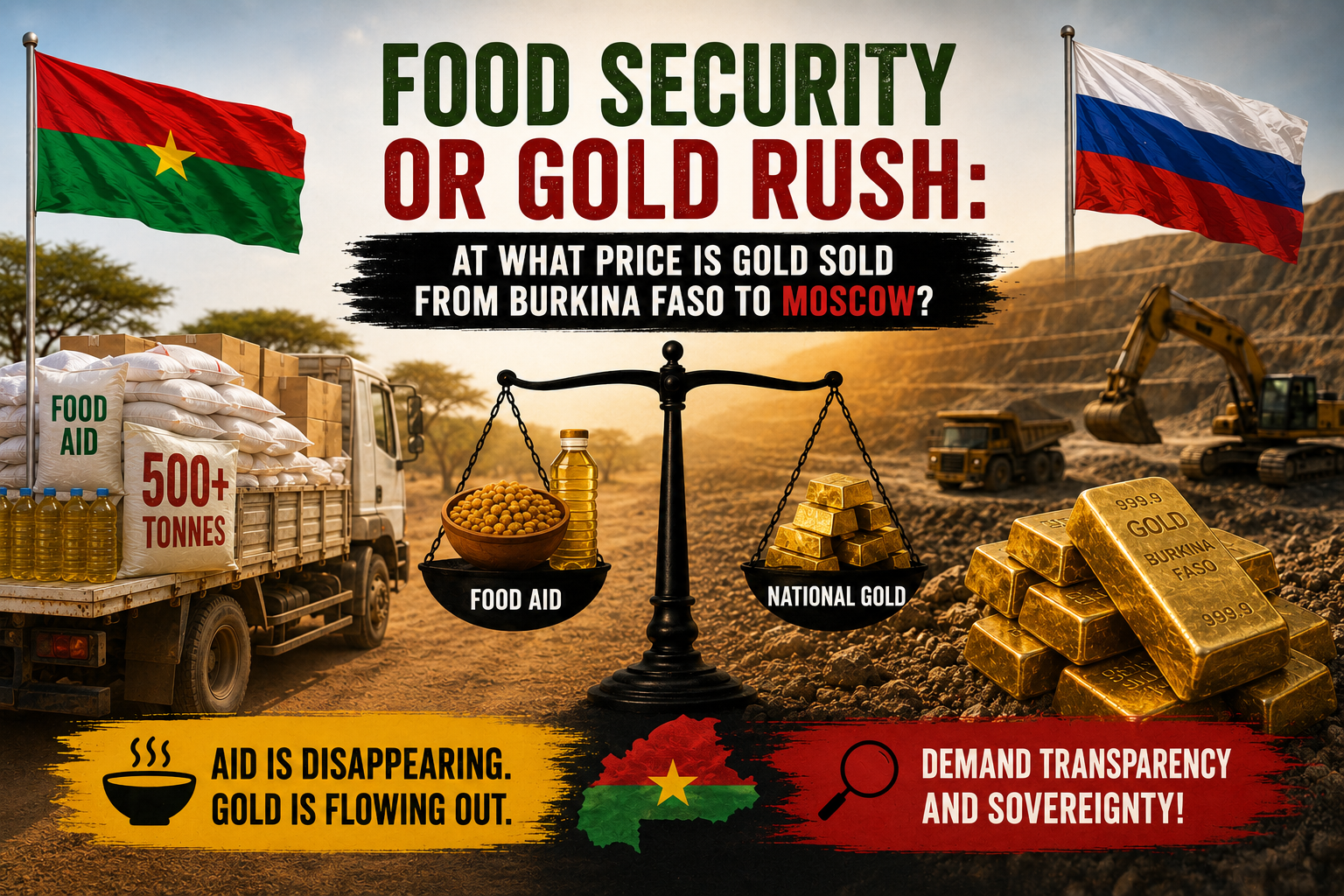
The Russian diplomatic mission in Ouagadougou officially announced the delivery of over 500 tonnes of humanitarian aid to Burkina Faso, valued at an estimated $942,500. This consignment included 462 tonnes of yellow split peas and 93.84 tonnes of sunflower oil, presented as an act of fraternal solidarity amidst a challenging humanitarian and security landscape. However, beyond this humanitarian operation, a critical question arises: what is the genuine nature of the evolving partnership between Ouagadougou and Moscow? While food assistance is undeniably beneficial, it should not deter citizens from scrutinizing the…
Read MoreTogo’s constitutional maneuvering: Faure Gnassingbé centralizes power under a reshaped system
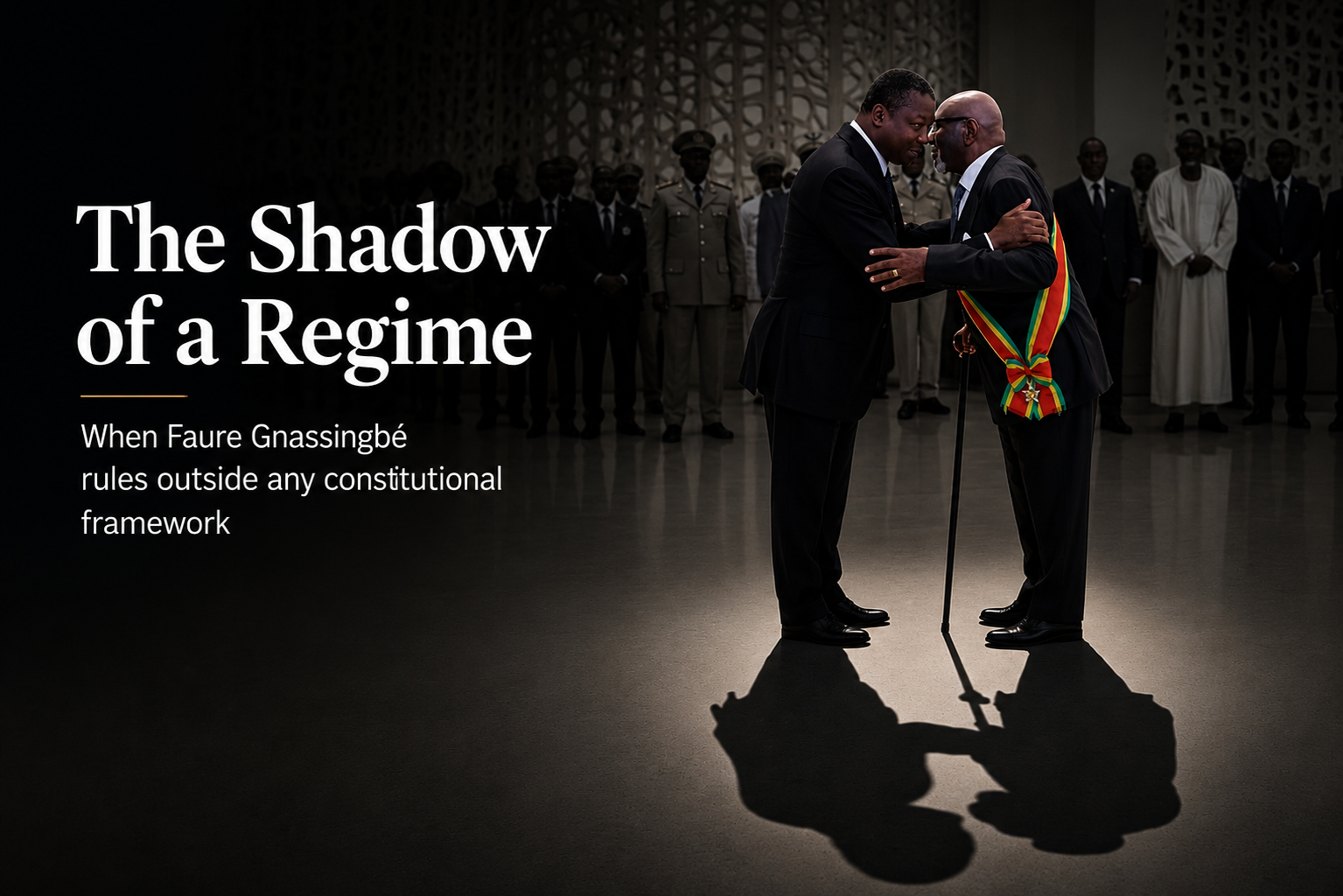
The recent detention of two French nationals in northern Togo has cast a glaring spotlight on the deep-seated governance failures plaguing the country. Incarcerated for days before being formally charged on Monday, their fate appears to have been sealed by a direct directive from Faure Gnassingbé himself. Reports indicate the Togolese leader personally instructed his Justice Minister, Pacôme Adjourouvi, to ‘resist any external interference,’ setting the stage for a contentious diplomatic confrontation. Beyond the immediate diplomatic fallout, this episode underscores a far graver concern: the erosion of Togo’s institutional foundations.…
Read MoreCameroon: 38 young prisoners regain freedom after debt relief
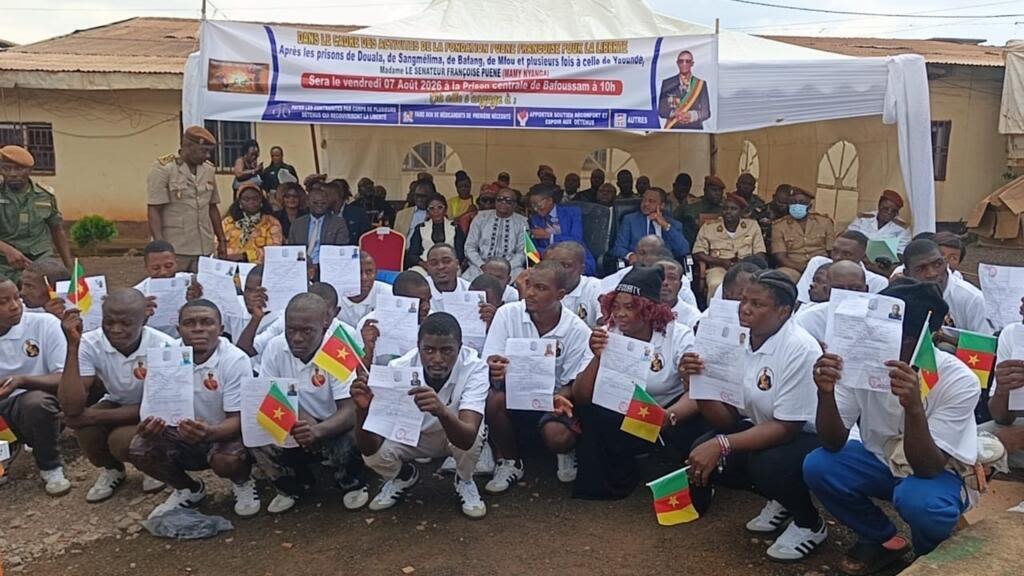
In a significant humanitarian breakthrough, 38 young detainees in Cameroon have been released from prison after an NGO stepped in to cover their court-ordered financial penalties. The intervention, part of an ongoing initiative since 2014, highlights the persistent issue of prison overcrowding linked to unpaid contraintes par corps—court-mandated financial obligations that detain individuals beyond their sentence terms. Humanitarian initiative unlocks freedom for indigent youth The Françoise Puene Foundation for Freedom, a local NGO, facilitated the release by settling the financial obligations of 38 young detainees aged between 16 and 28.…
Read MoreAuthoritarian power turns on its own supporters in Burkina Faso
The history of authoritarian rule is filled with a paradox as old as power itself: the very tools of repression designed to silence opponents eventually turn against those who once wielded them. Burkina Faso is now witnessing this pattern under Captain Ibrahim Traoré’s leadership. Over time, arbitrary arrests, enforced disappearances reported by human rights groups, smear campaigns, intimidating summons, media restrictions, and forced requisitions of citizens under the guise of national defense are no longer confined to traditional critics. Now, even Muslim community leaders, civil society activists, commentators, influencers, and…
Read MoreBurkina Faso faces scrutiny over military-run training camps
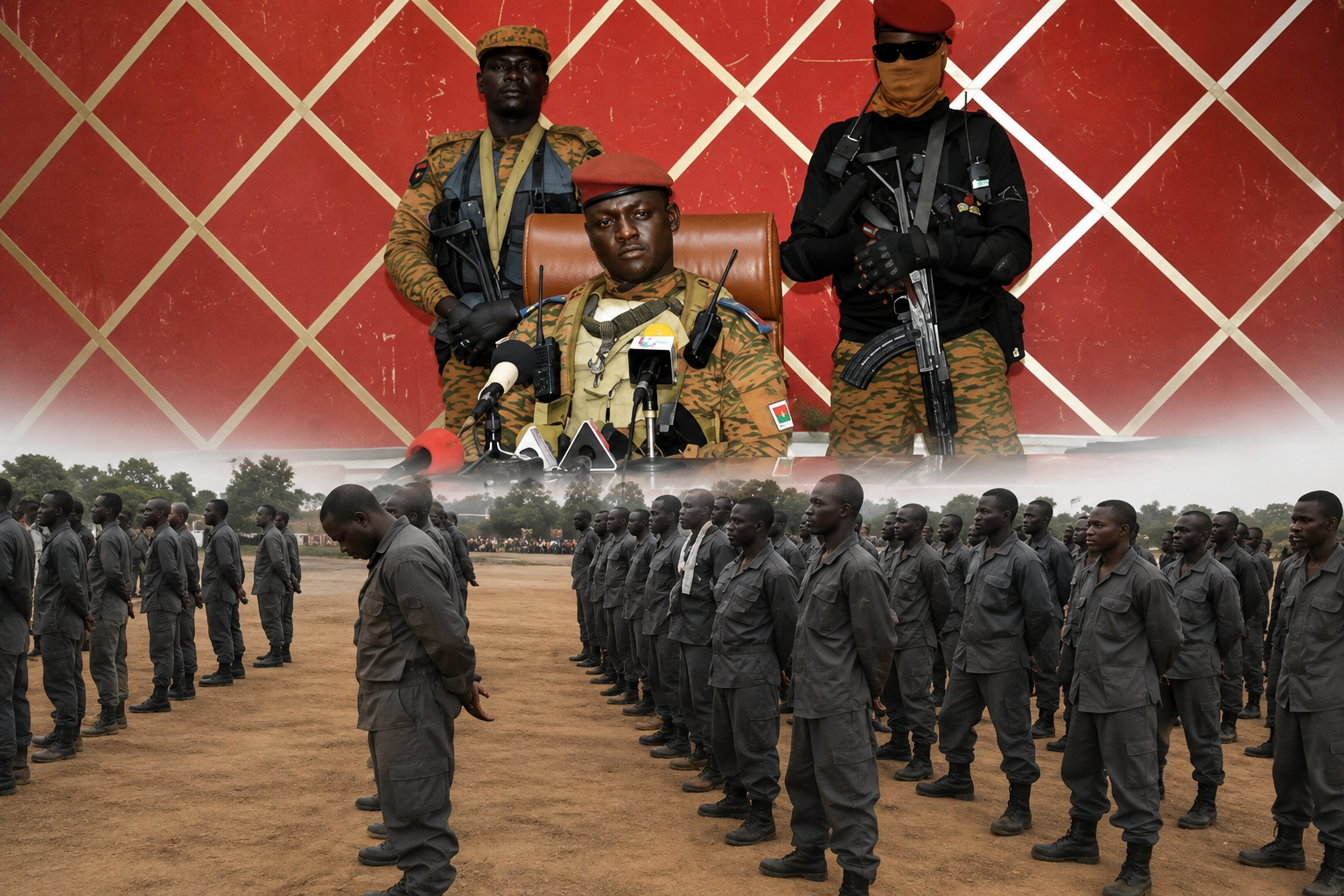
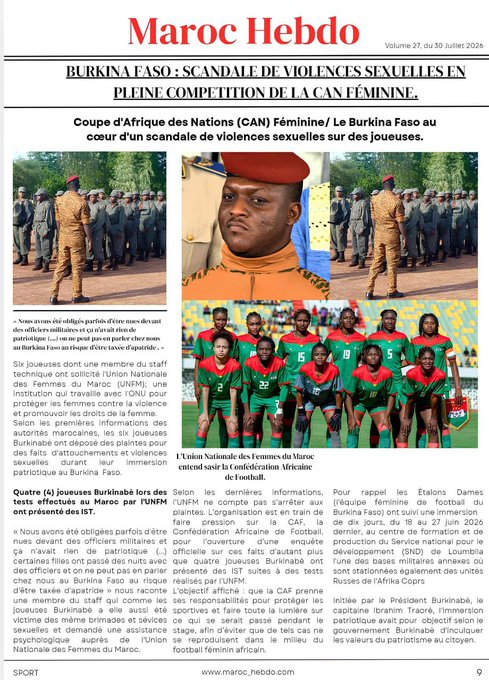
The patriotic immersion program that sparked serious allegations What was touted as a nation-building initiative for Burkina Faso’s female football team has instead become a source of grave concern. Players and technical staff members claim they endured sexual violence during a so-called patriotic immersion stage held at a military camp. According to a complaint filed in Morocco, six athletes and one staff member allege they were subjected to abuses by military officers, raising troubling questions about the boundaries between military authority and civilian protection in the current political climate. The…
Read MoreSahel alliance struggles as rhetoric overshadows tangible progress
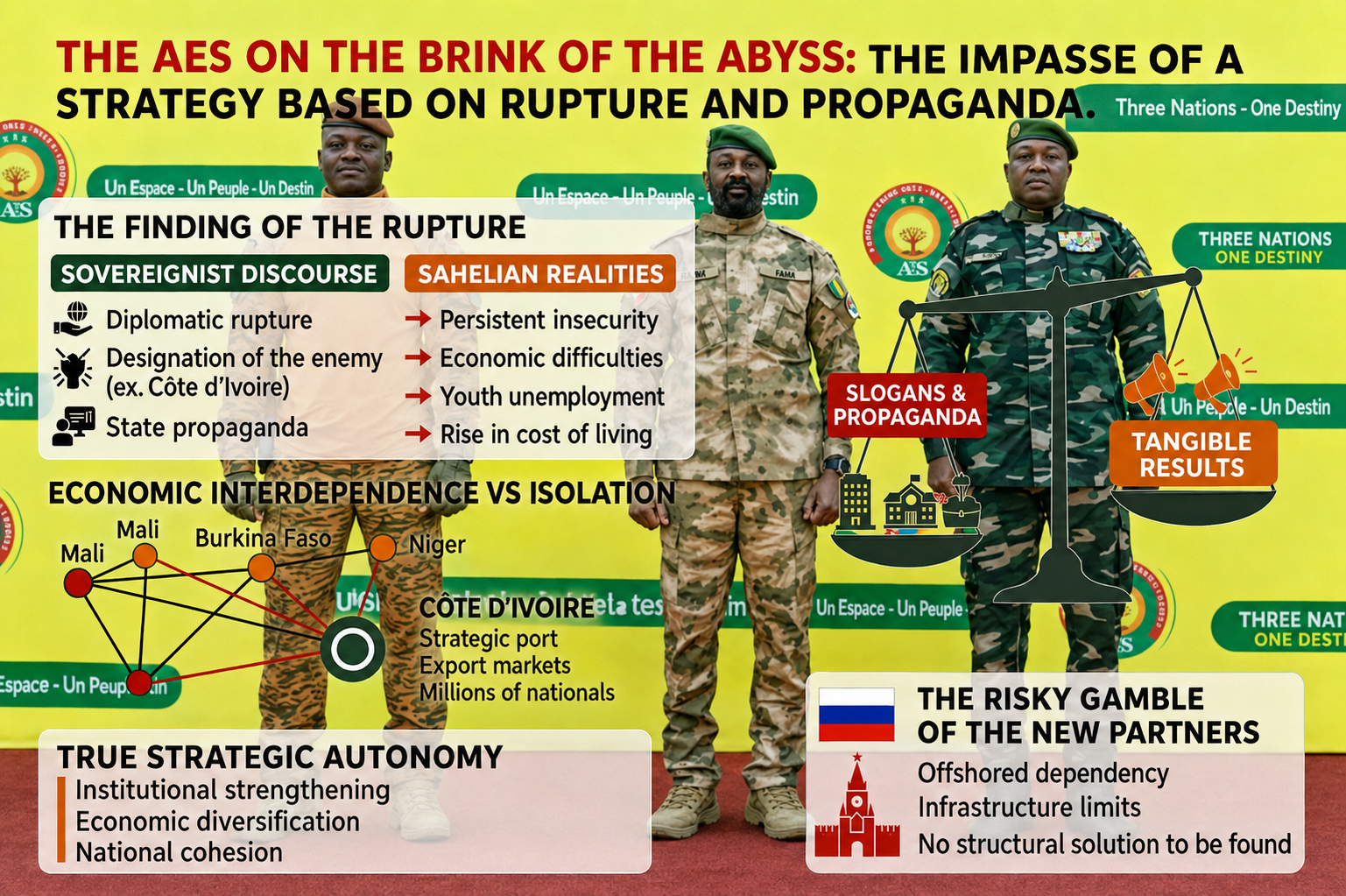
The Alliance of Sahel States: A sovereignty narrative in search of results The military authorities in Mali, Burkina Faso, and Niger have built their political narrative on a decisive break with regional norms and a rejection of former partners. The formation of the Alliance of Sahel States (AES) symbolizes this shift toward redefining alliances and asserting full sovereignty. Three years after the first coups, however, a harsh reality persists: security threats remain unchecked, economies continue to strain under pressure, and public expectations remain largely unmet. In response, the political discourse…
Read More