The Unseen Tides Behind the Congo River’s Sovereignty Struggle
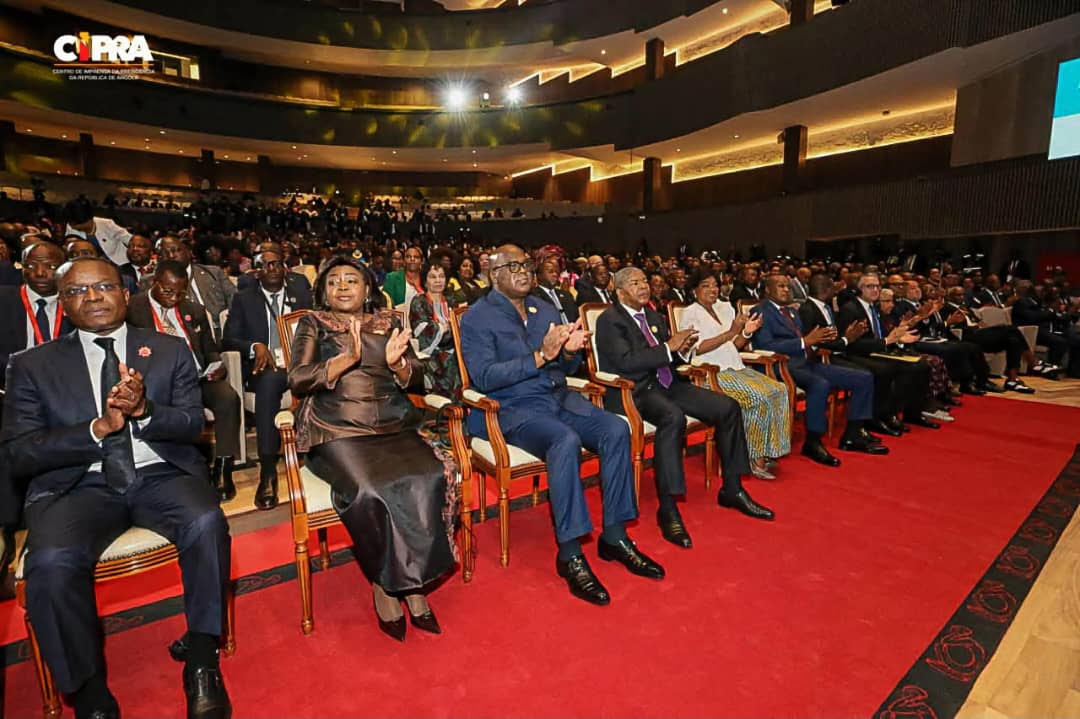
The fourth edition of the Luanda Biennale in October 2026 gathered African leaders under the theme of water governance as a tool for conflict prevention and resolution. Among the delegates, Félix-Antoine Tshisekedi Tshilombo, President of the Democratic Republic of Congo (DRC), delivered a keynote address that peeled back the layers of water diplomacy in Africa, exposing the tensions between national authority, regional collaboration, and ecological survival.
His remarks at the UNESCO and African Union-backed summit were not merely diplomatic formalities—they laid bare the underlying forces shaping the DRC’s stance on the Congo River, a lifeline coursing through nine nations and the world’s second-largest freshwater basin by volume. Tshisekedi’s message was clear: the Congo’s waters are not negotiable without conditions. But what truly drives this uncompromising posture?
Why the Congo River’s Management Goes Beyond Politics
The Congo River isn’t just a body of water—it’s an economic juggernaut and a geopolitical chessboard. Stretching over 4,700 kilometers, its basin spans the DRC, Republic of the Congo, Central African Republic, and six other nations, supporting millions through hydroelectric power, agriculture, fishing, and transportation. Yet, behind this abundance lies a complex web of competing interests and unresolved tensions.
In his speech, Tshisekedi emphasized that the DRC’s approach to water governance stems from three critical realities:
- Preservation first: The Congo’s ecosystems—from its sprawling rainforests to its vast wetlands—are among the planet’s most fragile. Unregulated exploitation could trigger irreversible ecological damage, threatening biodiversity and the river’s role as a carbon sink.
- Energy as a lever: The Congo River’s hydroelectric potential is staggering, dwarfing that of the Nile or Niger. Projects like Inga could electrify not just the DRC but all of Southern Africa—but only if managed under Congolese oversight.
- Strategic water transfers: Proposals to divert water from the Congo Basin to the drying Lake Chad region have resurfaced repeatedly. Kinshasa views such plans as existential threats unless scrutinized through national consensus and scientific rigor.
The President’s warnings about water transfers weren’t theoretical—they echoed the decades-old debates over the Inga Dam projects and foreign-backed initiatives that critics argue prioritize foreign interests over Congolese needs. His insistence on a referendum and environmental guarantees sends a message: water sovereignty isn’t up for negotiation.
The Silent Diplomacy: Bilateral Talks Behind the Scenes
While the Biennale’s plenaries stole headlines, the real work unfolded in closed-door sessions between the DRC and Angola. These talks, though less visible, could reshape Southern Africa’s water landscape. Key areas of focus included:
- Hydrological data sharing: Real-time exchanges on river flows, pollution levels, and climate impacts to prevent unilateral decisions that disrupt downstream communities.
- Ecosystem protection: Cross-border initiatives to combat deforestation, illegal fishing, and industrial pollution that threaten the Congo’s tributaries.
- Energy synergy: Proposals to integrate the DRC’s hydroelectric grids with Angola’s solar and wind projects, creating a balanced renewable energy network.
- Capacity building: Training Congolese and Angolan engineers and hydrologists to manage shared waterbodies without external dependency.
A senior Angolan water expert, speaking on condition of anonymity, pointed out a paradox: “The Congo River holds the key to regional stability, yet its management has always been a zero-sum game. True cooperation means moving beyond rivalry and into shared stewardship.”
The Unwritten Rules of Africa’s Water Sovereignty
The DRC’s stance at the Luanda Biennale reveals a deeper truth about Africa’s water politics: sovereignty is the new currency. In an era of climate change, declining arable land, and energy shortages, control over water resources is increasingly a matter of national security. Countries like Egypt over the Nile, Ethiopia over the Blue Nile, and now the DRC over the Congo, are asserting claims that challenge the status quo of colonial-era water agreements.
Tshisekedi’s speech underscored that the DRC isn’t just protecting its waters—it’s redrawing the rules of engagement for Africa’s shared basins. This shift has three layers:
1. Legal Foundations: From Colonial Relics to Homegrown Frameworks
The Congo Basin’s governance has long been constrained by outdated treaties and frameworks that favor external actors. The DRC’s push for a new continental water charter aims to replace these with rules crafted by Africans, for Africans. Central to this vision is the principle of ‘prior notification and consent’—a safeguard against projects that could harm the DRC’s environment or people without prior debate.
2. Economic Leverage: Water as a Tool for Regional Dominance
The Congo’s 39,000 MW hydroelectric potential isn’t just about lighting up homes—it’s a bargaining chip. The DRC’s refusal to export raw hydropower without value-added processing reflects a broader trend: turning water into geopolitical power. By controlling the taps, Kinshasa can dictate terms to neighbors who rely on the river but lack alternatives.
3. Ecological Imperative: A Race Against Time
Climate change is shrinking Africa’s lakes and drying up rivers at an alarming rate. The Congo Basin, though still water-rich, is not immune. Rising temperatures, deforestation, and mining-induced pollution threaten its equilibrium. The DRC’s insistence on environmental impact assessments for any major water project isn’t just about policy—it’s about survival.
What’s Next? The Stakes for Africa’s Future
The Luanda Biennale may have ended, but the debate it sparked is just beginning. Three outcomes could shape the Congo Basin’s future:
A. The Fragmented Path: Unregulated Exploitation
If nations fail to agree on shared governance, the DRC’s warnings could become self-fulfilling prophecies. Unilateral dam constructions, water diversions, and pollution hotspots could ignite conflicts, displace communities, and cripple ecosystems. The result? A ‘Wild West’ of water governance, where might makes right.
B. The Balanced Approach: Shared Stewardship via Conventions
A middle ground is possible—one where the DRC and its neighbors sign binding agreements on hydropower sharing, pollution control, and emergency response. Such a framework would require compromise but could unlock billions in green energy investments and secure water access for millions. The revitalized Nile Basin Initiative offers a model, however imperfect, of what regional cooperation could achieve.
C. The Revolutionary Shift: A Pan-African Water Compact
The boldest scenario envisions a continental water governance treaty, modeled after the African Continental Free Trade Area (AfCFTA). This would set unified standards for water management, dispute resolution, and climate adaptation, ensuring that no nation’s sovereignty is sacrificed for the sake of ‘regional integration.’ For the DRC, this could mean leading a movement to redefine Africa’s relationship with its most precious resource.
The path chosen will determine not just the Congo River’s fate—but Africa’s. As Tshisekedi’s words at the Luanda Biennale proved, the continent’s leaders are no longer content with being spectators in their own resource scripts. The question is whether their vision will translate into action—or remain a dream deferred.