Niger struggles with persistent corruption and economic crime
why corruption remains a growing challenge in Niger The latest Corruption Perceptions Index by Transparency International has once again exposed the fragility of public governance systems worldwide. While the global report highlights worsening corruption trends even in nations with strong democratic institutions, the situation in Niger stands out as particularly alarming. With a score of 31 out of 100—which falls far below the critical threshold of 50—Niger ranks 124th among 182 countries surveyed in 2025, slipping three places from the previous year. This persistent decline underscores a harsh reality: corruption…

Read More

Niger-türkiye friendship hospital: minister of health inspects operations and staff needs

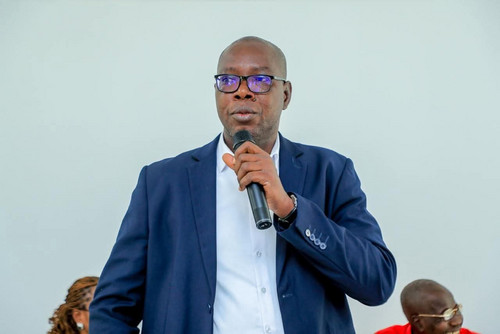
On Wednesday, February 25, 2026, Colonel-major Garba Hakimi, the Minister of Health and Public Hygiene, undertook an inspection tour of the Niger-Türkiye Friendship Hospital. The primary objectives were to personally evaluate the facility’s infrastructure and equipment, understand the working conditions of its staff, and engage with them to identify challenges and devise appropriate solutions. Upon his arrival, the Minister toured various departments within the hospital. These included the emergency room, mammography unit, operating theaters, the neonatal intensive care unit, embryology and oocyte retrieval laboratories, and the gynecology and obstetrics department.…

Read More

International journalist federations decry political meddling in Côte d’Ivoire’s journalists’ union affairs

On February 20, a legal injunction, initiated by a collective asserting adherence to established regulations, led a summary proceedings judge to order the suspension of the ordinary congress for the renewal of leadership within the National Union of Journalists of Côte d’Ivoire (UNJCI). In response to this judicial intervention, the UNJCI promptly announced its intention to appeal the decision, a development closely watched across African politics and by Panafrica News outlets. Given the inability to convene the ordinary congress within the statutory timeframe, and with the incumbent leadership’s mandate expiring…

Read More

Us-Burkina Faso health partnership boosts fight against infectious diseases

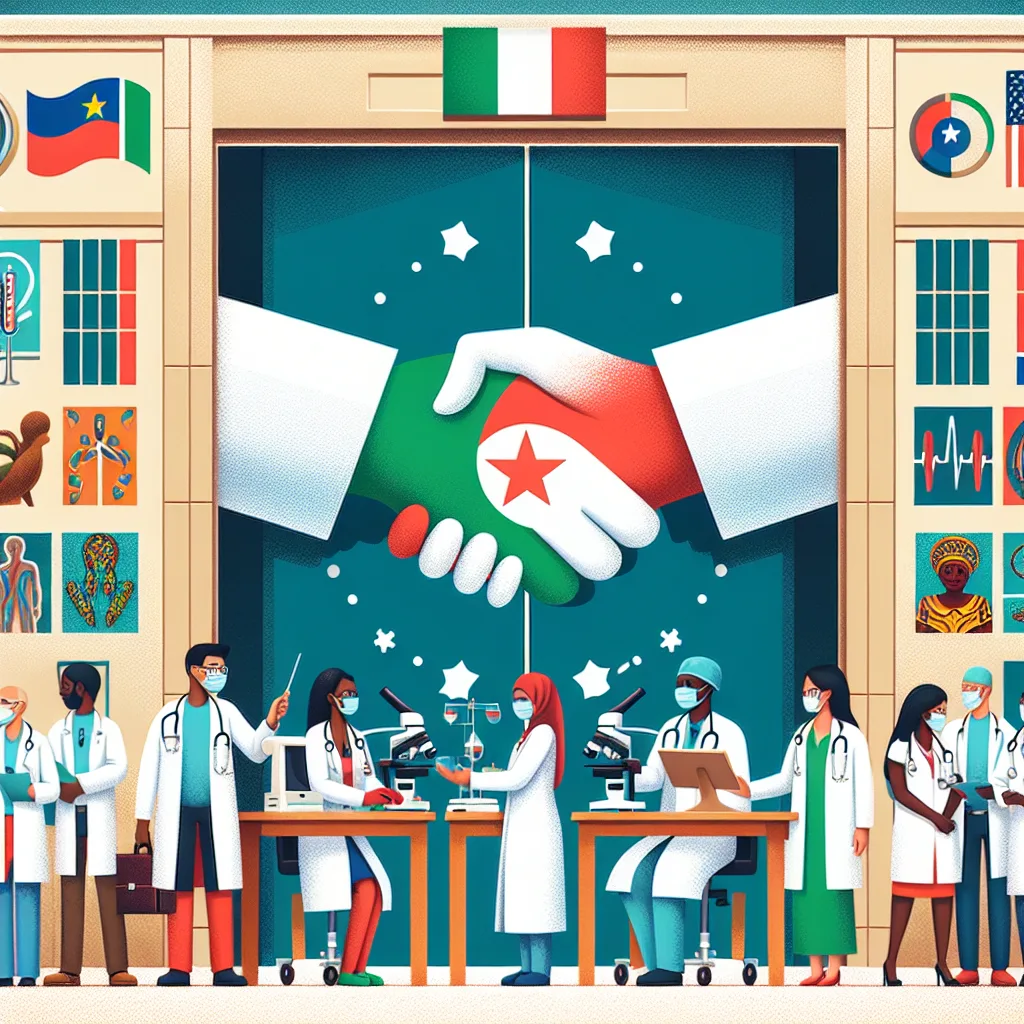
Strengthening health security in the Sahel through a five-year pact A landmark five-year agreement has been forged between the United States and Burkina Faso to elevate health security as a shared priority. This partnership is designed to equip Burkina Faso with the tools needed to independently tackle infectious threats while simultaneously safeguarding public health in both nations. At its core, the initiative champions locally managed, resilient health systems capable of anticipating, detecting, and responding swiftly to outbreaks in a region where rapid intervention is critical. Building a sustainable bilateral health…

Read More

Us Botswana partnership bolsters global health funding by $147 million

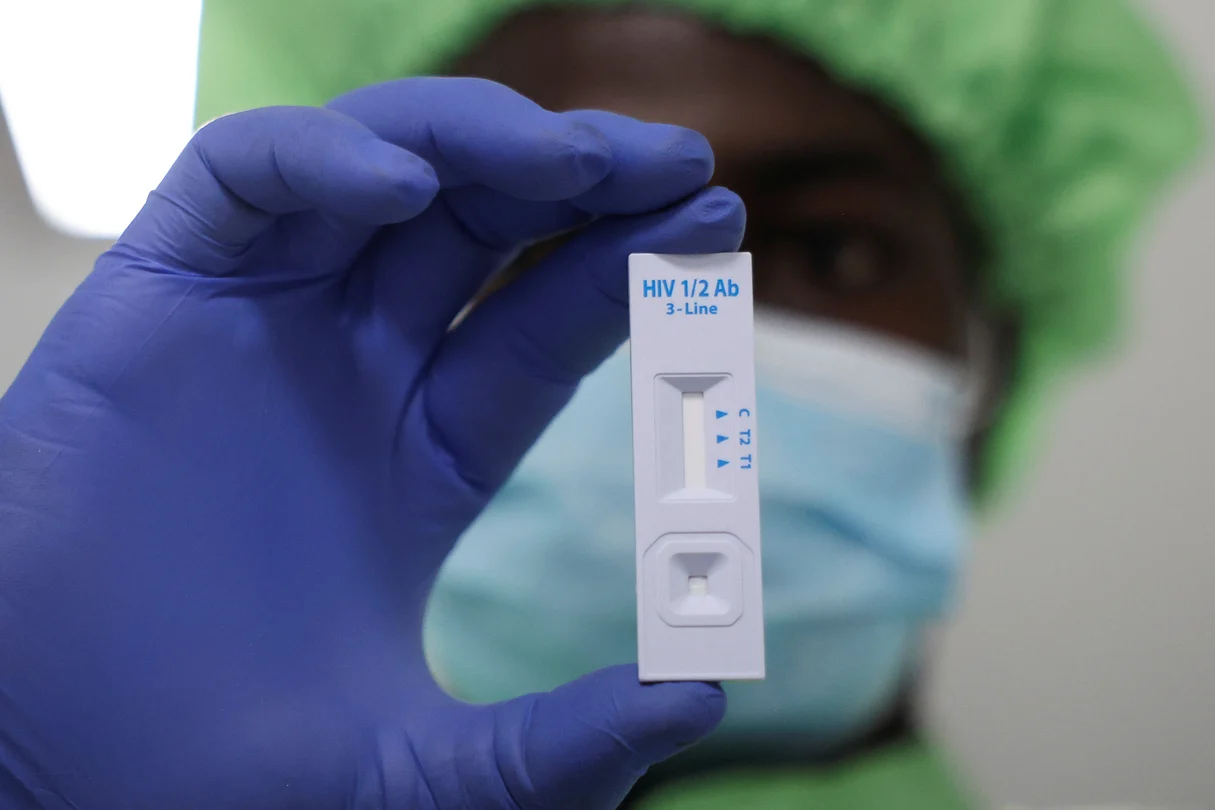
The United States Department of State has finalized a five-year bilateral memorandum of understanding (MoU) with Burkina Faso, channeling a total of $147 million in financial support. This landmark agreement underscores a shared commitment to combating infectious diseases such as HIV/AIDS, malaria, and other public health threats while bolstering the nation’s epidemiological surveillance and emergency response capabilities. According to the official announcement, the partnership lays the groundwork for enhanced collaboration, empowering Burkina Faso to strengthen its defenses against communicable diseases and improve overall health security. As part of this initiative,…

Read More

Who Burkina Faso report highlights health system resilience

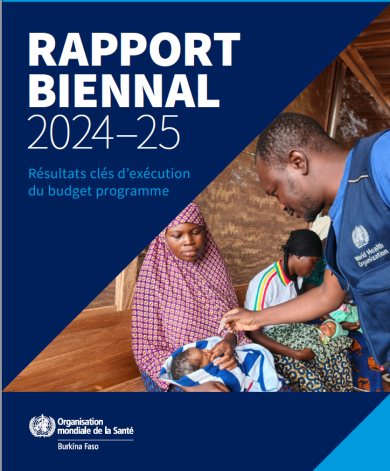
The World Health Organization’s (WHO) 2024-2025 biennial report for Burkina Faso reveals significant progress in public health, even amidst persistent security, humanitarian, and climate-related obstacles. Among the report’s standout accomplishments is the widespread implementation of the malaria vaccine across all 70 health districts, marking a pivotal step in preventing malaria and safeguarding child health. Additionally, the WHO PEN package was rolled out in six health districts, bolstering the integrated management of non-communicable diseases (NCDs) at the primary healthcare level. A significant policy milestone during this biennium is the enactment of…

Read More

JNIM and the strategic challenges of jihadist expansion beyond the Sahel

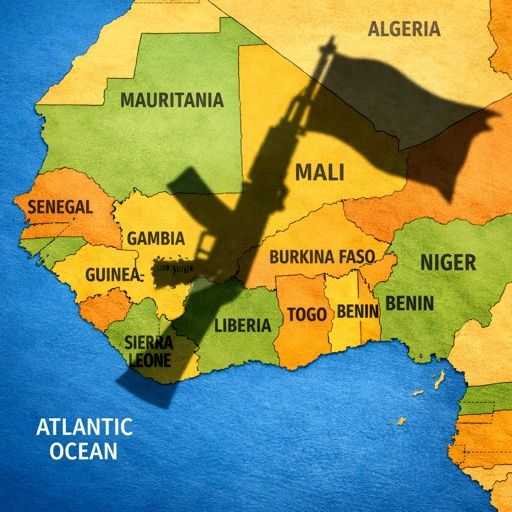
The strategic expansion of JNIM beyond the Sahel: A complex dilemma A specialized seminar hosted by the research group Africa: citizenship, violence and politics and the Africa Programme at CERI examines the evolving security landscape in African politics. Since its formation in 2017, the Al-Qaeda affiliate known as Jama’at Nusrat al-Islam wal-Muslimin (JNIM) has emerged as a dominant non-state actor in the Central Sahel. Through its various katibas, the organization has established significant control over territories in Mali, Niger, and Burkina Faso, often competing directly with state authorities for local…

Read More

Sudan and Chad border crisis: how N’Djamena is navigating regional instability

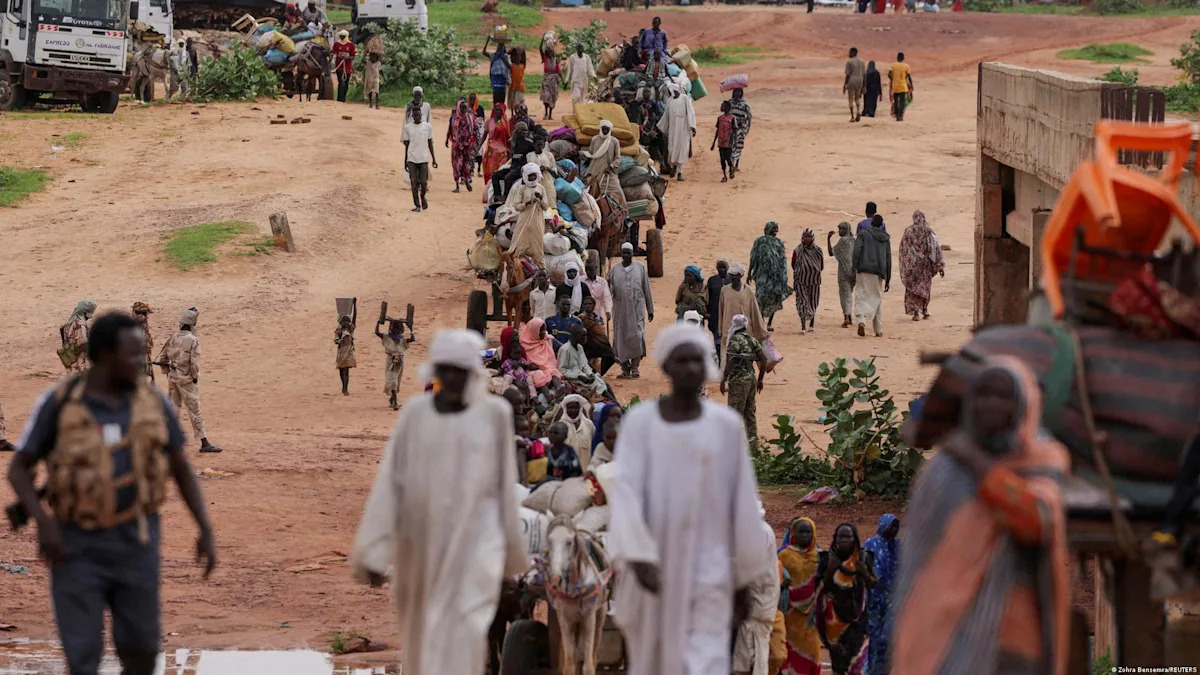
The devastating conflict in Soudan has sparked a massive humanitarian emergency, with nearly one million displaced individuals seeking safety in neighboring Tchad. This pressure has intensified following the collapse of El-Fasher in North Darfur. Within a two-week window, roughly 100,000 civilians fled the city, and about 6,000 of them managed to cross the border into Tchad. This influx places a heavy burden on a country already struggling with long-term regional volatility, a recurring theme in pan-African news. Strategic border challenges and rising security threats The 1,300-kilometer boundary between the two…

Read More

Military coups in west africa and the fate of civilian allies

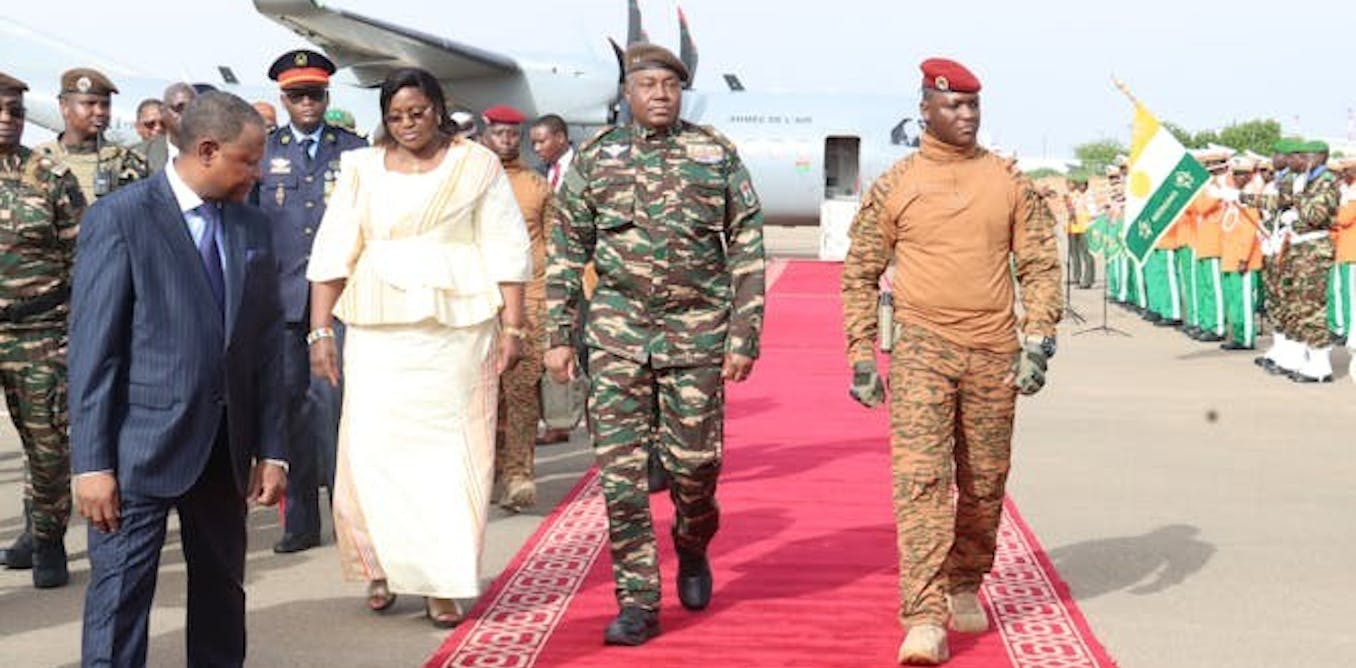
The late January 2026 decision by Burkina Faso’s interim leader, Captain Ibrahim Traoré, marked the formal end of political pluralism in the country. On January 29, all registered political parties—including those that had backed his September 2022 takeover—were officially dissolved. While parties had already been suspended after Traoré’s rise, the junta framed the permanent ban as part of a sweeping state restructuring aimed at reducing social divisions. In reality, the move stripped away the last remnants of independent civic engagement and consolidated power firmly under the captain’s control. Party assets…

Read More

Burkina Faso makes historic malaria progress as cases drop by 32% in 2025

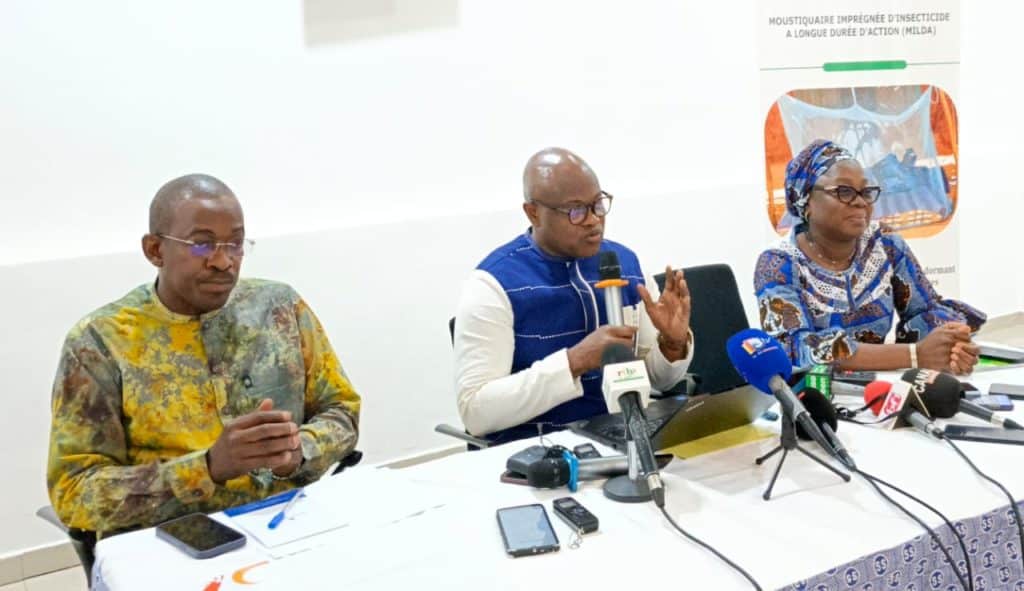
The Burkina Faso government has achieved a historic milestone in its fight against malaria, with a dramatic reduction in both cases and fatalities in 2025 as the nation pushes toward elimination by 2030. During a press briefing in Ouagadougou, Dr. Lucien Jean-Claude Kargougou, Minister of Health, unveiled striking declines in malaria statistics. Total cases plummeted from 10,805,000 in 2024 to 7,329,000 in 2025—a 32% drop. Among children under 5, the reduction exceeded 1,900,000 cases, representing a 38% decrease. Malaria-related deaths also fell sharply from 3,523 in 2024 to 1,900 in…

Read More

African union summit faces criticism over coup leaders in elections

Invité Afrique Midi «It is unacceptable for coup plotters to be democratically elected» Listen – 05:45 The 39th African Union summit concluded with a bold declaration: to “silence the guns” and end unconstitutional power grabs. But can this stance hold? Prominent Cameroonian researcher Paul-Simon Handy, Regional Director for the Institute for Security Studies (ISS) in East Africa, who attended the Addis Ababa gathering, joins Africa Midi to dissect the continent’s shifting political landscape. The 39th African Union summit in Addis Ababa wrapped up with a firm commitment to eradicate unconstitutional…

Read More

Africa news english: why allowing coup leaders to run in elections undermines democracy

At the conclusion of the 39th African Union summit, a bold declaration echoed through the halls of Addis Ababa: silencing the guns and ending unconstitutional power transfers once and for all. But in a region grappling with political instability, can such promises truly hold weight? Paul-Simon Handy, a Cameroonian researcher and Regional Director for East Africa at the Institute for Security Studies (ISS), was present in Addis Ababa during the landmark gathering. In an exclusive interview on Africa Midi, he shed light on the summit’s outcomes and the challenges facing…

Read More