The fallout intensifies: Niger’s unproven accusations spark regional debate
Following a deadly drone strike in northern Niger that killed two civilians, the military junta in Niamey has publicly accused Chad and France of involvement—yet no tangible evidence has been presented to support these claims. The allegations have strained relations in a region already grappling with security and political instability, leaving critical questions unanswered about the attack’s origins and accountability.
What do Niger’s accusations against France and Chad actually entail?
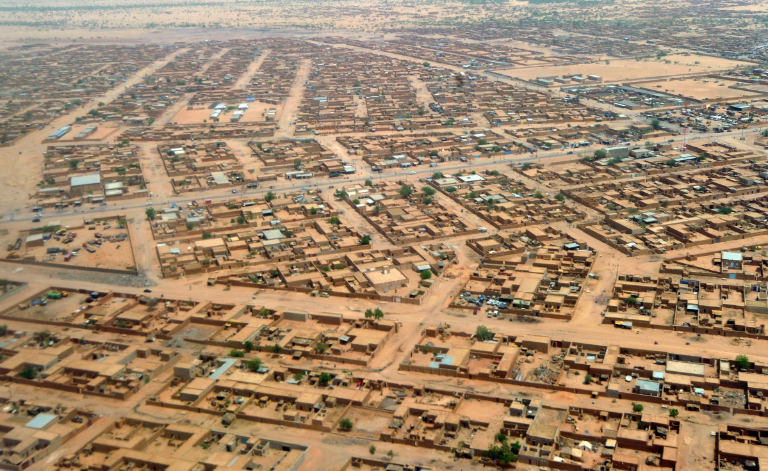
The October 24 drone strike in the Emi Lulu area of Agadez resulted in two civilian deaths and multiple injuries, according to official reports. In response, Niger’s transitional government issued a statement blaming Chad outright and implicating France, though no verifiable proof—such as drone flight data, technical specifications, or independent investigations—has been made public.
While the gravity of the accusation cannot be dismissed, the lack of presented evidence raises concerns about the credibility of the claims. For accusations of this magnitude to hold weight, they must be backed by transparent, independently verifiable facts that detail the circumstances of the strike, the military assets used, and any direct links to the countries implicated.
At this stage, the absence of such evidence means France’s alleged involvement remains an assertion rather than a substantiated claim.
Why an independent investigation is critical to uncovering the truth
Several key questions remain unanswered: What type of drone was deployed? Where did it originate, and who operated it? What led to the strike, and what evidence ties it to a specific actor? Addressing these questions requires a rigorous, multi-faceted investigation that includes:
- Technical analysis of drone debris, flight trajectories, and equipment;
- Independent verification of testimonies from witnesses and affected communities;
- Collaboration with neutral experts to assess the credibility of available data.
A transparent inquiry would not only clarify the facts but also separate politically motivated assertions from substantiated realities. In a region where security and diplomatic tensions are already high, such clarity is essential to prevent unfounded claims from gaining unwarranted traction in public discourse.
The families of the victims deserve answers. So does the international community, which relies on credible evidence to assess accountability in such incidents.
France in the crosshairs: politics or proof?
The timing of Niger’s accusations against France is not coincidental. Since July 2023, relations between Niamey and Paris have deteriorated sharply following the military takeover. This political context fuels skepticism and deepens mistrust, but it cannot substitute for concrete evidence.
Accusing a sovereign nation of involvement in a military operation demands more than geopolitical grievances—it requires verifiable facts. Without them, the risk is that a security incident becomes entangled in a broader political confrontation, undermining the pursuit of justice for the victims and their families.
Chad, too, faces scrutiny. While Niger has declared it fully responsible for the attack, the specifics underpinning this claim remain undisclosed. Public scrutiny of these details is essential to ensure fairness and accountability on all sides.
Where do we go from here? The path to resolution
The path forward hinges on two priorities: transparency and accountability.
Niger’s government can strengthen its position by releasing the physical and technical evidence supporting its accusations. France and Chad, in turn, must respond to verifiable facts—not to declarations that lack substantiation.
The core principle here is clear: accusation does not equal proof. Until robust, independently verified evidence emerges, France’s alleged involvement remains a claim rather than a proven fact. A credible, impartial investigation is the only way to determine what truly happened in Emi Lulu—and who bears responsibility for the tragic loss of civilian lives.
In matters of war and peace, truth cannot be overshadowed by political rhetoric or diplomatic posturing. It must be uncovered, investigated, and acknowledged—regardless of the pressures or tensions at play.