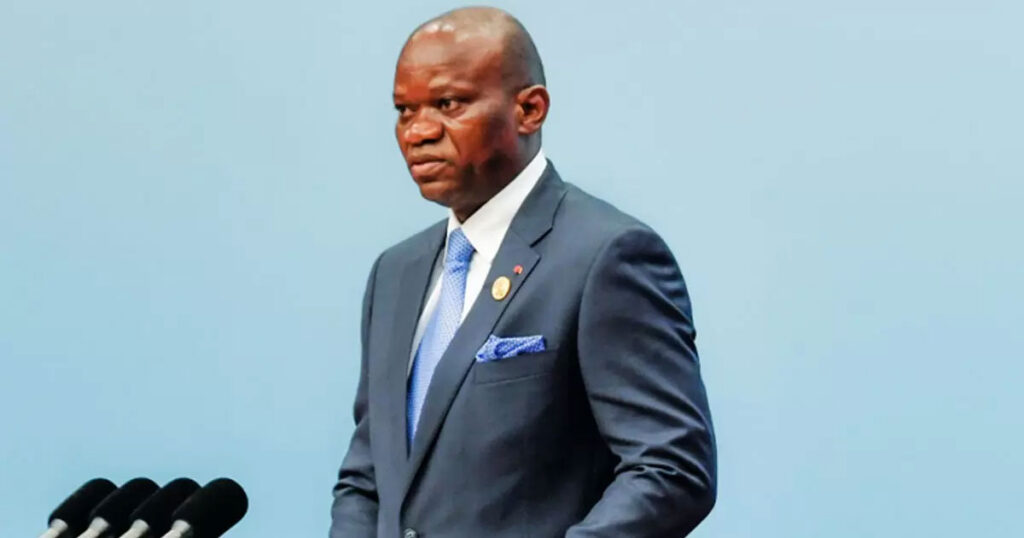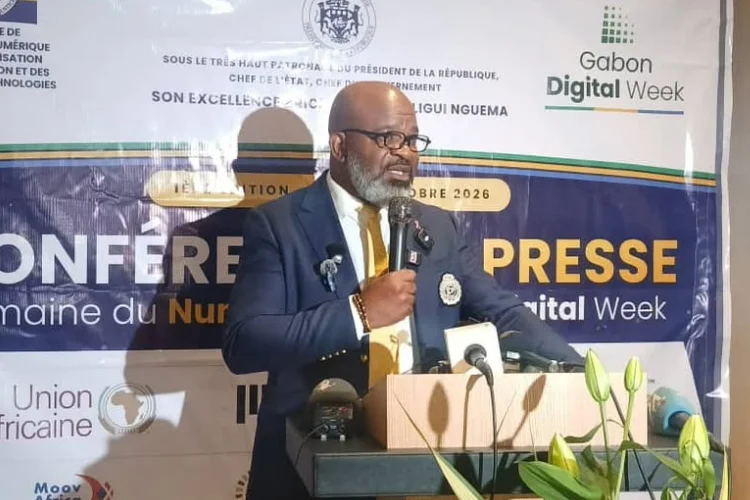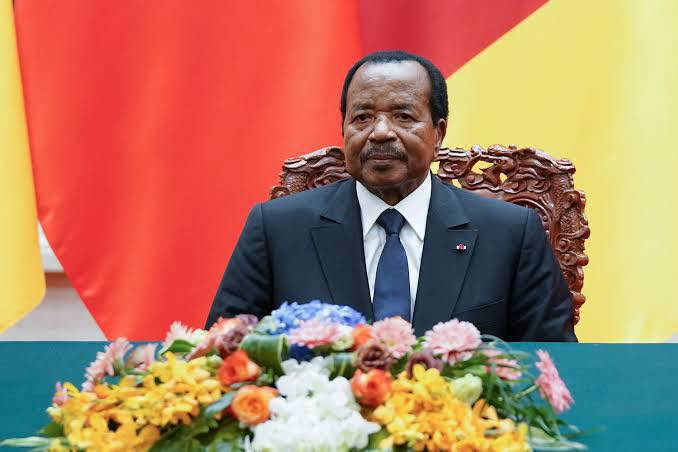
The reintroduction of the vice-presidency in Cameroon’s constitution has created unexpected challenges for President Paul Biya, beyond the usual political calculations. Behind the prolonged vacancy of this crucial position lies a deeper concern: the president’s unease over the constitutional reforms that grant the vice-president a decisive role in declaring his permanent incapacity to govern.
Behind the constitutional change: a vice-presidency with unprecedented powers
In April [current year], Cameroon amended its constitution to reintroduce the vice-presidency—a move that, on the surface, was intended to strengthen institutional continuity. Yet this reform carries a hidden consequence: the vice-president now holds the authority to initiate the procedure that could legally declare the president permanently unfit to serve. For an aging leader like Paul Biya, this added layer of constitutional power raises critical questions about control and succession.
Stéphane Menounga, a prominent political analyst, argues that Biya’s hesitation in appointing a vice-president stems not just from political maneuvers but from a very personal calculation. The president, now 93, has reportedly studied the implications of the reform closely—and what he found may have slowed his decision-making process.
The calculus of power: why delay serves Biya’s strategy
Several factors contribute to the prolonged vacancy of the vice-presidency:
- Constitutional empowerment: The vice-president’s role in declaring presidential incapacity means Biya must carefully weigh any candidate’s potential influence over his future.
- Personal legacy: With no clear succession plan, Biya may be avoiding the creation of a rival figure within his administration or inadvertently accelerating the transition process he seeks to control.
- Institutional caution: The president’s advanced age makes the timing of this appointment strategically sensitive—too early, and the appointee might gain undue leverage; too late, and the position could be filled under pressure.
Even amidst growing calls from political stakeholders—some urging swift action for the sake of national stability—Biya remains the sole decision-maker. Rumors of potential candidates persist, but no definitive choice has emerged, reflecting the president’s cautious approach to this political equation.
What the delay reveals about Cameroon’s power dynamics
The unresolved status of the vice-presidency highlights two critical tensions in Cameroon’s governance:
Uncertain succession: The absence of a vice-president does not merely leave a bureaucratic void—it underscores the lack of a transparent, institutionalized handover strategy. This ambiguity risks leaving the country vulnerable to internal power struggles.
The aging leader’s dilemma: Biya’s prolonged tenure and delayed appointments send a signal about his priorities: maintaining control over the transition narrative, even if it means sidestepping the reforms designed to protect continuity.
As political observers watch closely, the question remains: Will Biya ever appoint a vice-president, or will the position remain deliberately vacant—balancing on the edge of constitutional possibility and personal risk?