Gabon ends social media blackout after prolonged internet restrictions
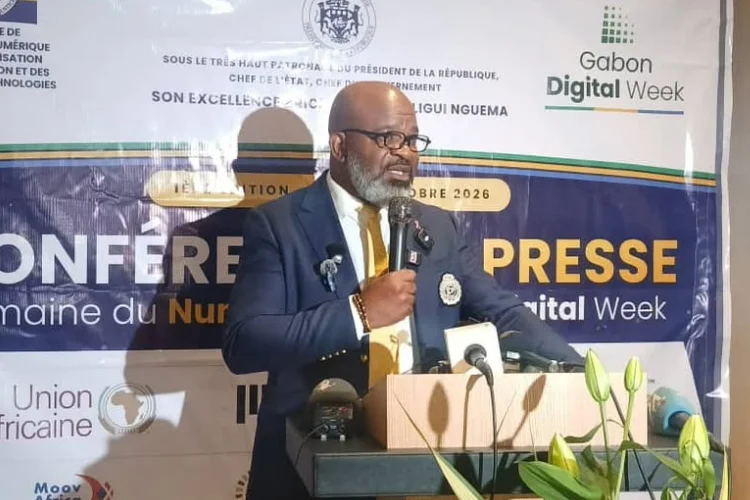
After more than eight months of stringent digital restrictions, Gabon has officially lifted its blanket ban on social media platforms. The decision, announced by the High Authority for Communication (HAC), marks a significant shift in the country’s online policy landscape. But what led to this prolonged isolation—and what does its reversal reveal about Gabon’s digital future?
The legal and political backdrop behind the shutdown
Gabon’s social media blackout, which began in February of this year, was imposed under the pretext of safeguarding national security and protecting state institutions from harmful content. The HAC justified the move as a temporary measure—to allow the government to revise digital communication laws and strengthen oversight.
But critics argue that the blackout was less about legal reform and more about suppressing dissent in the wake of political instability. The suspension coincided with rising public scrutiny following the 2023 military transition and the 2025 presidential election, which saw Brice Clotaire Oligui Nguema secure a landslide victory amid opposition claims of irregularities.
Regulating social media: compliance or control?
Among the key changes announced alongside the blackout were stricter identification requirements for users. Starting in October, Gabon made formal verification of online identities mandatory, effectively ending anonymity on digital platforms.
In parallel, the HAC reported establishing direct collaboration with major platforms—including Meta, TikTok, and YouTube—aimed at improving content moderation and compliance. While framed as a partnership for safety, the move raised questions about who sets the rules—and whether online expression is truly free.
What really changed during the blackout?
Despite the ban, Gabon’s internet disconnection proved far from airtight. Many users relied on virtual private networks (VPNs) to bypass restrictions, turning digital isolation into a cat-and-mouse game between authorities and citizens.
Meantime, opposition leaders faced escalating legal pressure. Former Prime Minister Alain-Claude Bilie-By-Nze, a vocal critic of the regime, was arrested in April on charges related to a 2008 debt dispute—though many saw the case as politically motivated.
A climate of digital repression
The combination of social media censorship, legal crackdowns, and arrests created a climate of growing repression—one starkly at odds with the democratic expectations that followed the 2023 transition. Public frustration grew, not just over the blackout, but over what many viewed as a broader erosion of civil freedoms.
Now, with platforms restored, the question remains: Is Gabon embracing transparency—or tightening control in new ways?
What’s next for Gabon’s digital landscape?
The lifting of the ban offers a window into Gabon’s evolving digital policy. While users can now reconnect, the legacy of the blackout lingers. The government’s push for real-name registration and platform cooperation signals a shift toward tighter online governance, raising fresh concerns about privacy and free speech.
As Gabon navigates this digital reset, one thing is clear: the battle over online freedom is far from over.