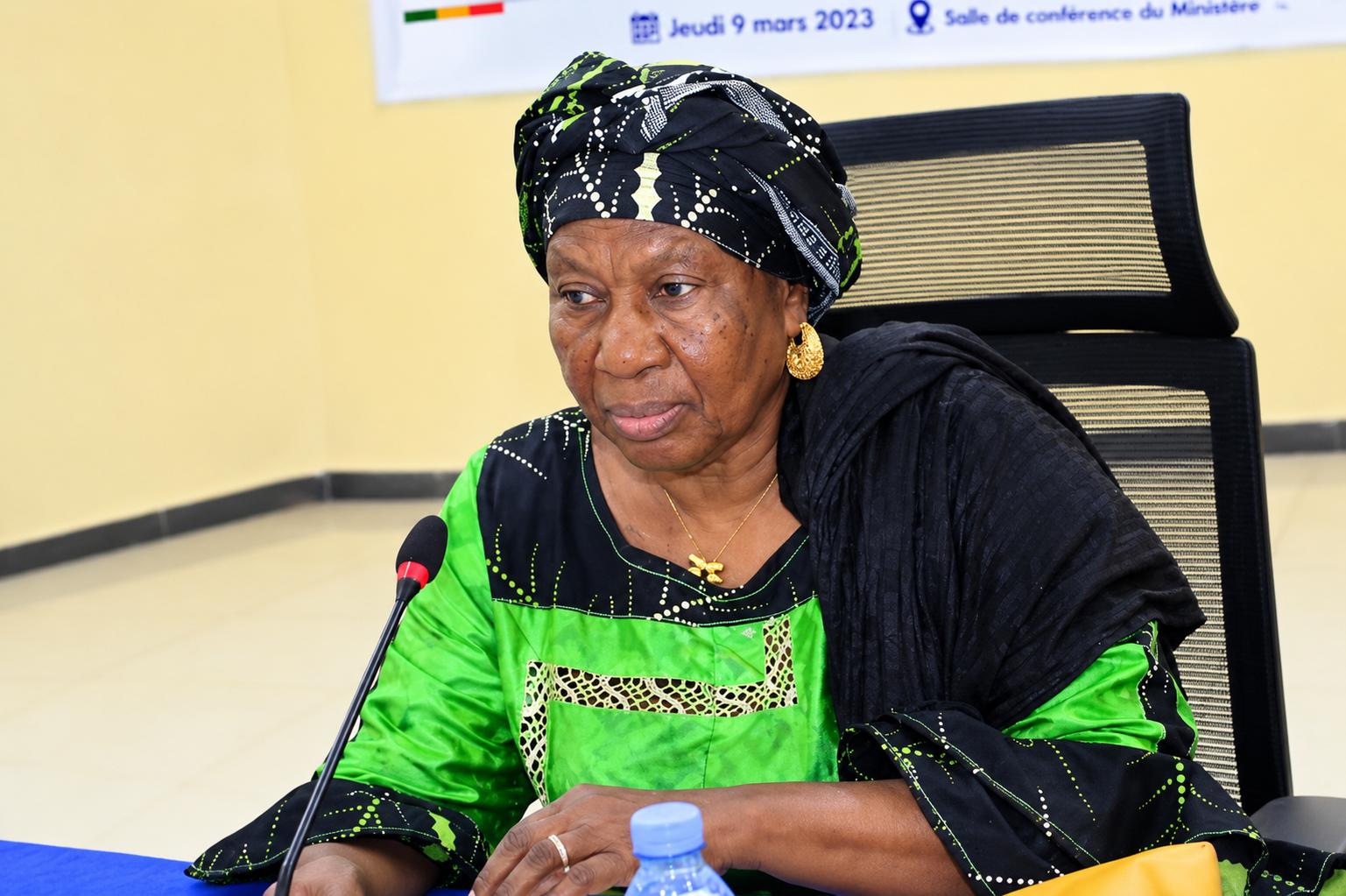
Economy Benin’s financing shift sparks debate over sustainable funding models Updated October 2026 With 8.1% growth in 2025 and stable projections, Benin is accelerating its economic transformation. But financing the next phase has ignited public debate over which models should lead the way. Critics question whether debt sustainability can coexist with rapid development, while advocates push for smarter, more inclusive financing strategies. Rising ambitions, rising questions The country’s growth trajectory demands substantial investment—about $2.43 billion annually until 2030, according to the African Development Bank, to fund roads, energy, factories, digital…

Read MoreCategory: Analysis
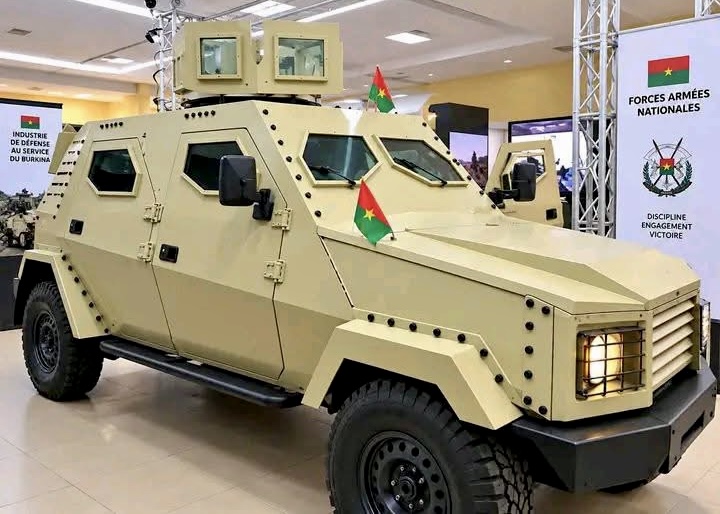
Burkina Faso’s 300 armored vehicles: Traoré’s big claim collapses under scrutiny
In a sweeping announcement this September, Burkina Faso’s military leader Ibrahim Traoré declared that Faso Armored had produced nearly 300 armored vehicles in just ten months. The claim, made during a meeting with female science award recipients, positioned Faso Armored as a pioneering national defense manufacturer. Yet behind the bold rhetoric lies a story of repurposed vehicles, hidden foreign components, and a growing credibility gap surrounding the country’s industrial ambitions. Far from signaling a turning point in Burkina Faso’s defense capabilities, the revelation now risks deepening skepticism about the true…
Read MoreBehind Mali’s 66th independence parade: a strategic dilemma for the Sahel States Confederation
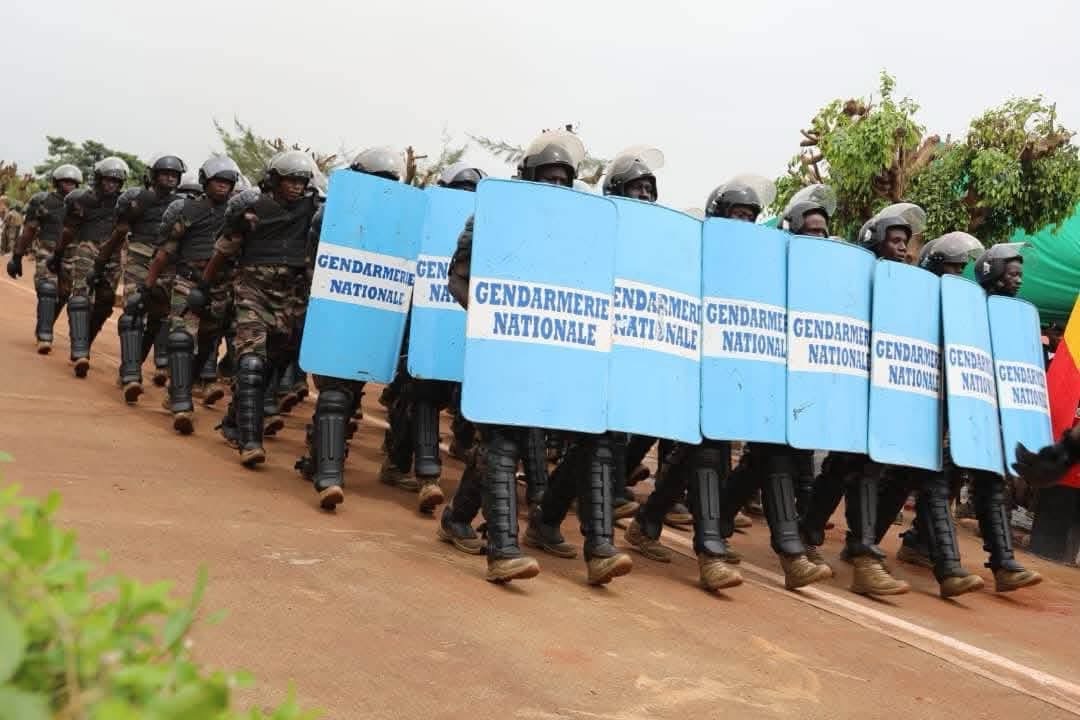
When Mali marked the 66th anniversary of its independence on 22 September 2026, the ceremony staged in Bamako followed a well-established pattern: a review of the troops, a parade by the Defence and Security Forces and an aerial display, all presided over by army general Assimi Goïta. Yet the decisive question raised by the event had little to do with protocol. It concerned the place that national symbols can still occupy within the Confederation of Sahel States (AES), a project that Mali, Burkina Faso and Niger present as the cornerstone…
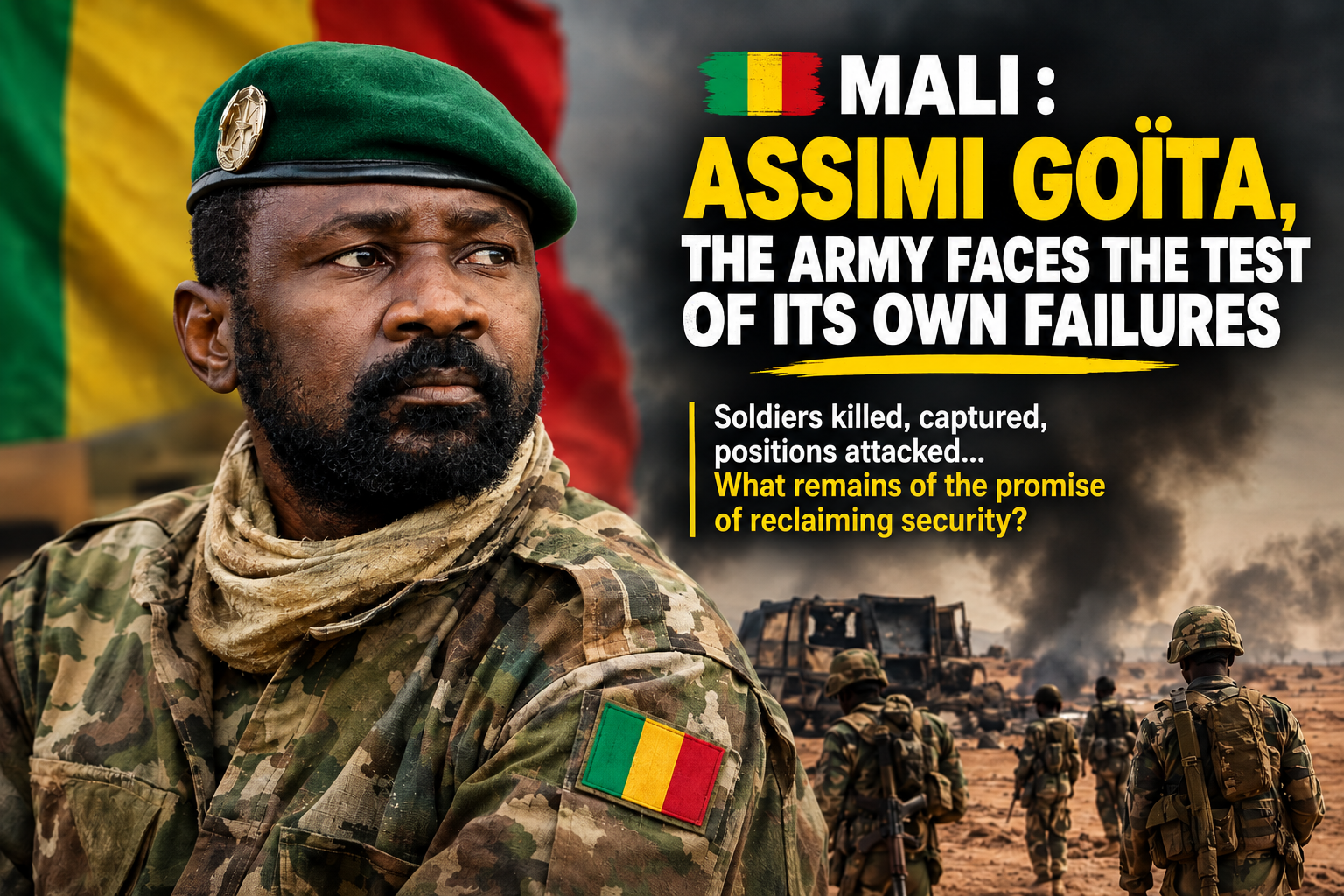
Read MoreWhose strategy, whose sacrifice? Mali’s army and the unresolved cost of its security promise
Behind the body counts, the captured soldiers and the overrun positions lies a question the authorities in Bamako have yet to answer: what remains of the promise to reconquer the national territory that Assimi Goïta’s government has placed at the centre of its legitimacy? Two realities that no longer align A gap has become impossible to ignore between the rhetoric of strength projected from Bamako and conditions on the ground. For several months, Malian forces have absorbed particularly heavy losses against JNIM and the Azawad Liberation Front (FLA). Systematically accusing…
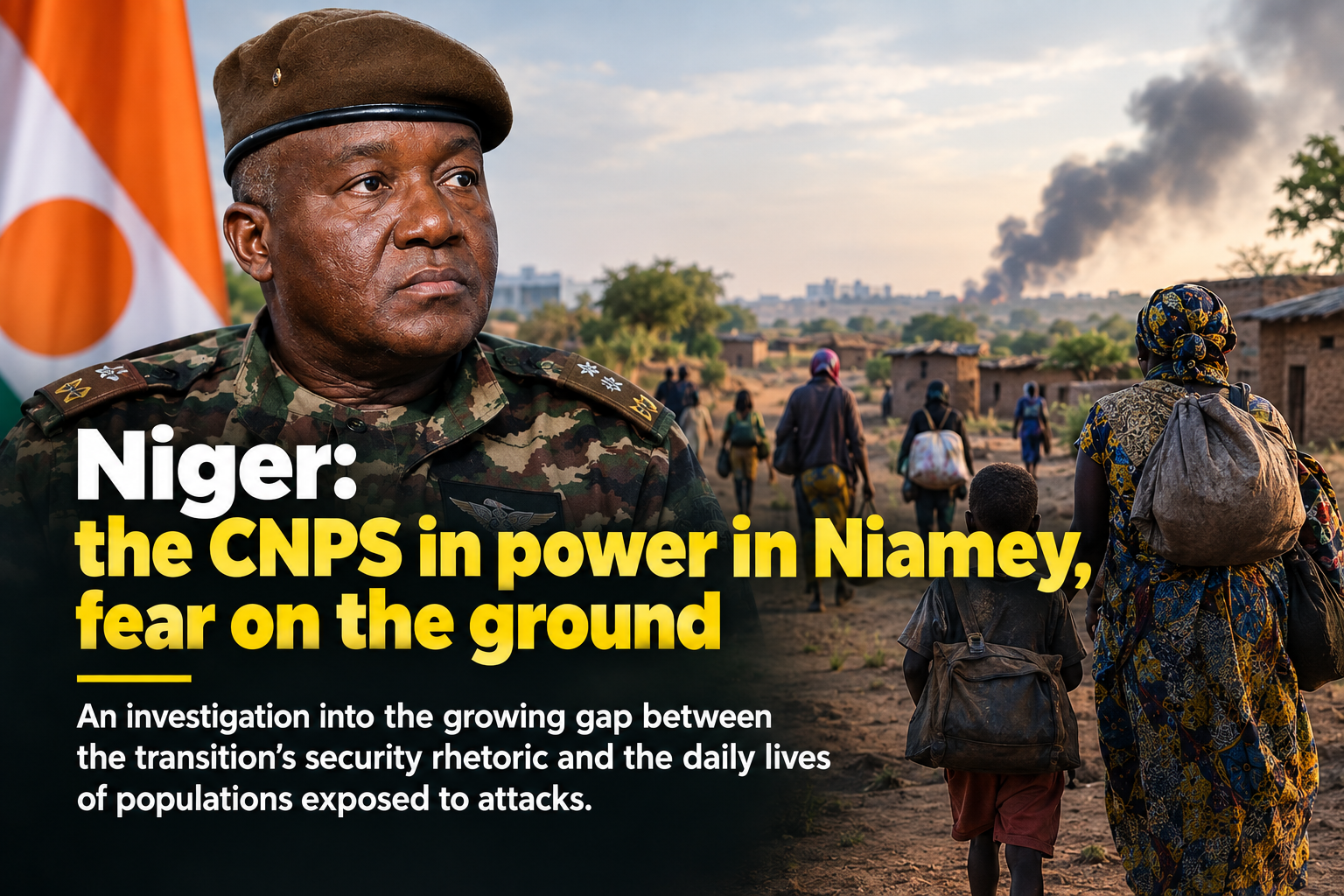
Read MoreNiger: the widening gap between the CNSP’s security discourse and the reality on the ground
An examination of the growing disconnect between the transitional authorities’ security narrative and the daily experiences of communities exposed to armed attacks. A promised rupture that has yet to materialise They pledged to regain control. To restore security. To return Niger’s sovereignty and dignity. Three years after the July 2023 coup d’état, the Conseil national pour la sauvegarde de la patrie (CNSP) continues to frame its seizure of power as a historic break with the past. Yet far from Niamey, a different reality is taking shape. In areas regularly targeted…
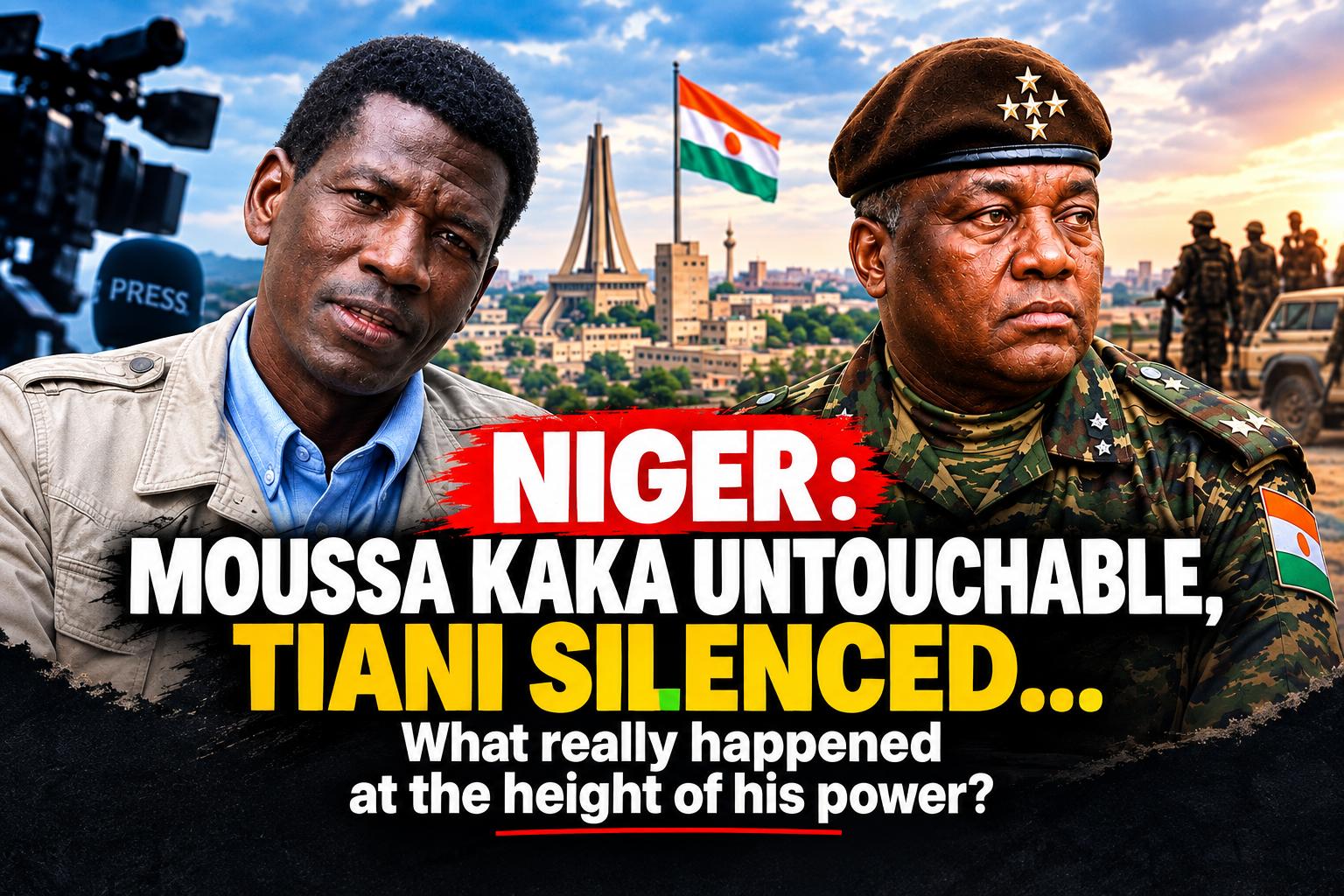
Read MoreNiger: l’absence de Moussa Kaka et le silence de Tiani alimentent les spéculations
Moussa Kaka, un journaliste devenu invisible Depuis le 31 août, Moussa Kaka ne s’est plus manifesté publiquement. Ce journaliste, figure connue de la presse nigérienne et correspondant de médias internationaux, aurait quitté les locaux de la Radio-télévision Saraounia (RTS), à Niamey, avant de devenir pratiquement introuvable. Le timing interpelle. Sa disparition survient quelques jours seulement après la mutinerie qui a secoué la capitale. Aucun lien direct entre les deux événements n’a été établi à ce stade. Mais dans un pays où les informations sur les mouvements au sein de l’appareil…
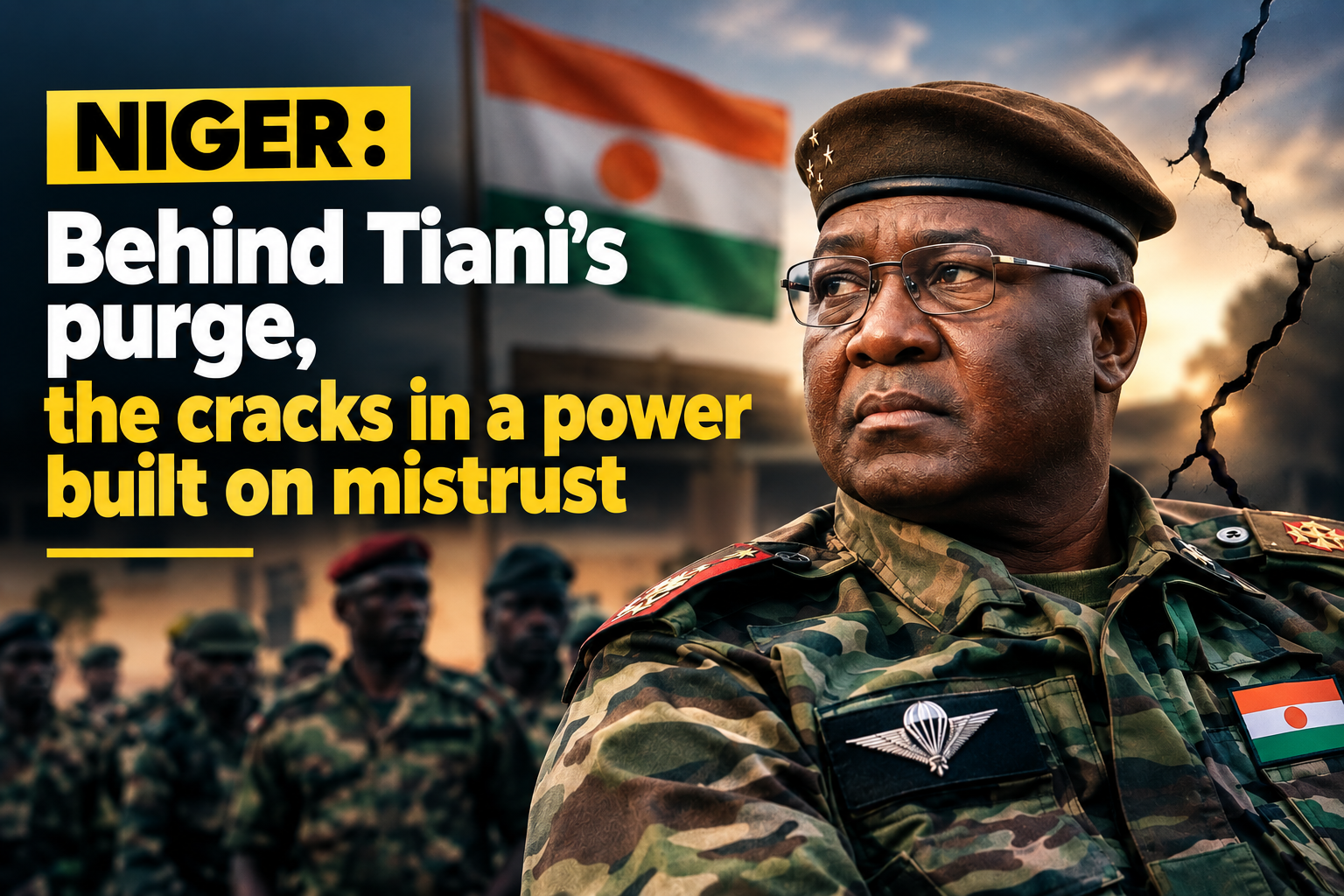
Read MoreNiger: the purges of Tiani expose hidden fractures at the top
Since the announcement of an alleged coup attempt that was said to have been thwarted, Niger’s leadership has appeared to operate in a state of permanent alert. Behind the cascading changes in the military hierarchy, a pressing question emerges: is the junta consolidating its authority or attempting to contain a crisis that now threatens its very summit? In Niger, the recent decisions by the authorities do not resemble a routine reshuffle. The replacement of several senior military officials and corps commanders comes amid an atmosphere already marked by mistrust, security…
Read MoreBandiagara attacks: human rights body urges Mali to uphold its core duties
As central Mali sinks ever deeper into an unrelenting cycle of violence, the statement issued by the National Human Rights Commission (CNDH) following the attacks on Ningari and Sarédina exposes the deep structural flaws in the transitional government’s security approach. The pattern has become tragically familiar: villages overrun, unarmed civilians executed, homes set ablaze, followed by the inevitable wave of official statements expressing outrage and sympathy. The latest atrocities in the Bandiagara area, specifically in Ningari and Sarédina, highlight a stark reality that official rhetoric tries to hide: despite triumphant…
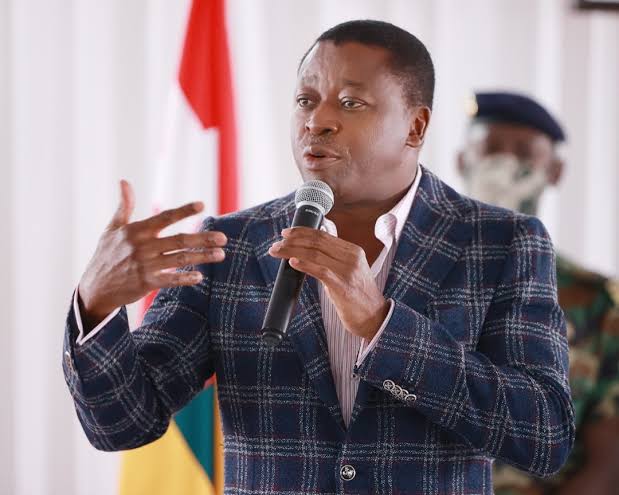
Read MoreIn northern Togo, a quiet security rivalry unfolds as external military forces expand their footprint
In the northern regions of Togo, a quiet but intense strategic rivalry is taking root. Security circles indicate that more than 300 personnel from the Russian Africa Corps the successor entity to the Wagner Group are currently operating within the nation. Simultaneously, Turkey is expanding its influence in the security sector, primarily through entities linked to the private military contractor SADAT. If these reports are fully validated, they signal a major shift in Togolese defense policy. The state appears to be transitioning from seeking occasional military aid to serving as…
Read MoreIn Niger, a quiet mutiny exposes the internal fractures of a politicised military
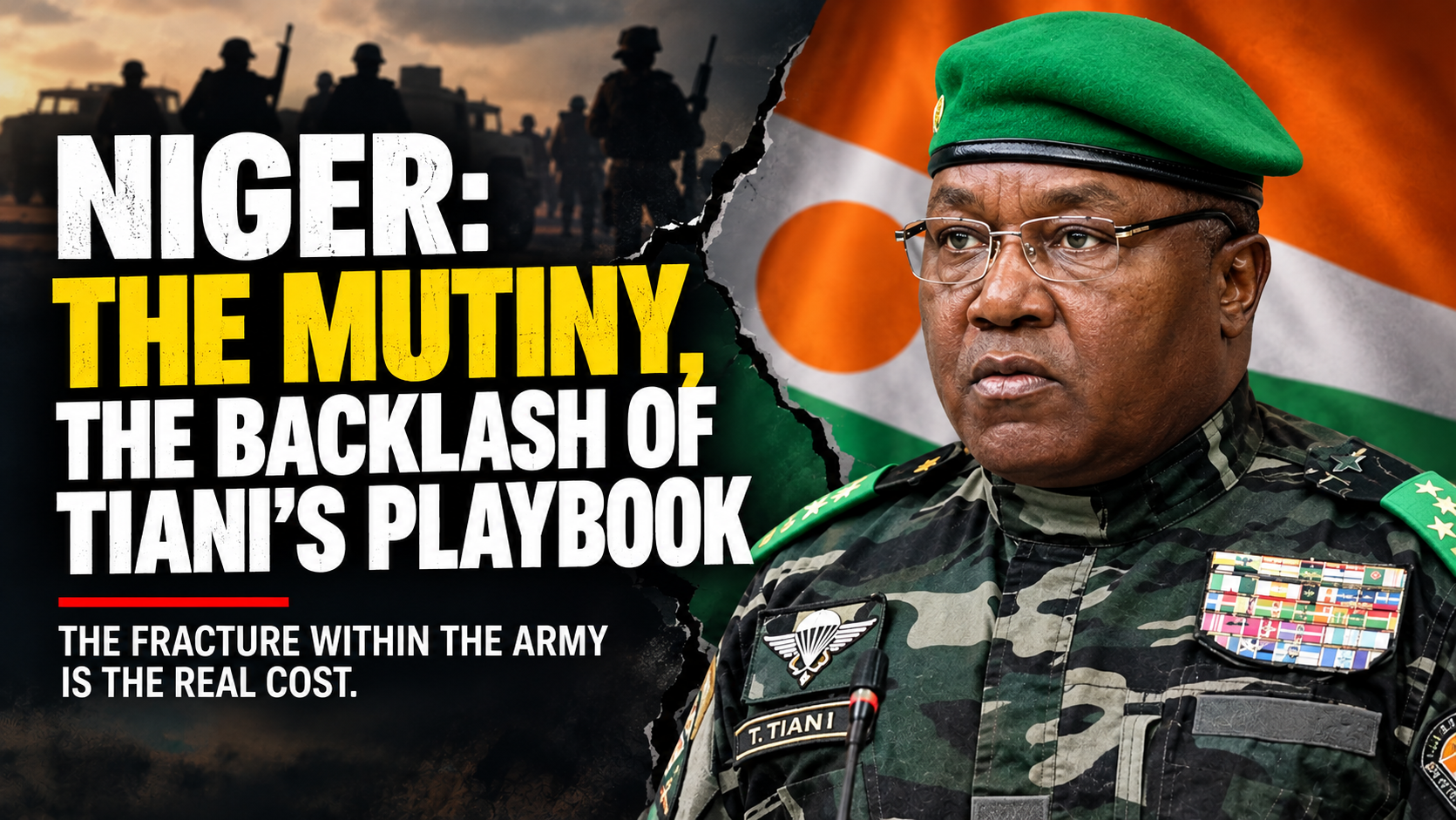
The influence of Tiani extends far beyond the immediate aftermath of the recent uprising. Since taking control, he has systematically converted the national army into a mechanism for political governance rather than an entity dedicated solely to territorial protection. By favoring loyalists in key appointments, sidelining independent-minded officers, and substituting personal allegiance for professional hierarchy, he has disrupted the delicate internal equilibrium that once maintained cohesion within the armed forces. As personal devotion replaced expertise, capability, and institutional neutrality, deep-seated distrust began to permeate the ranks. The consequences of a…
Read MoreNiger: Tiani faces unease within special forces after russian involvement
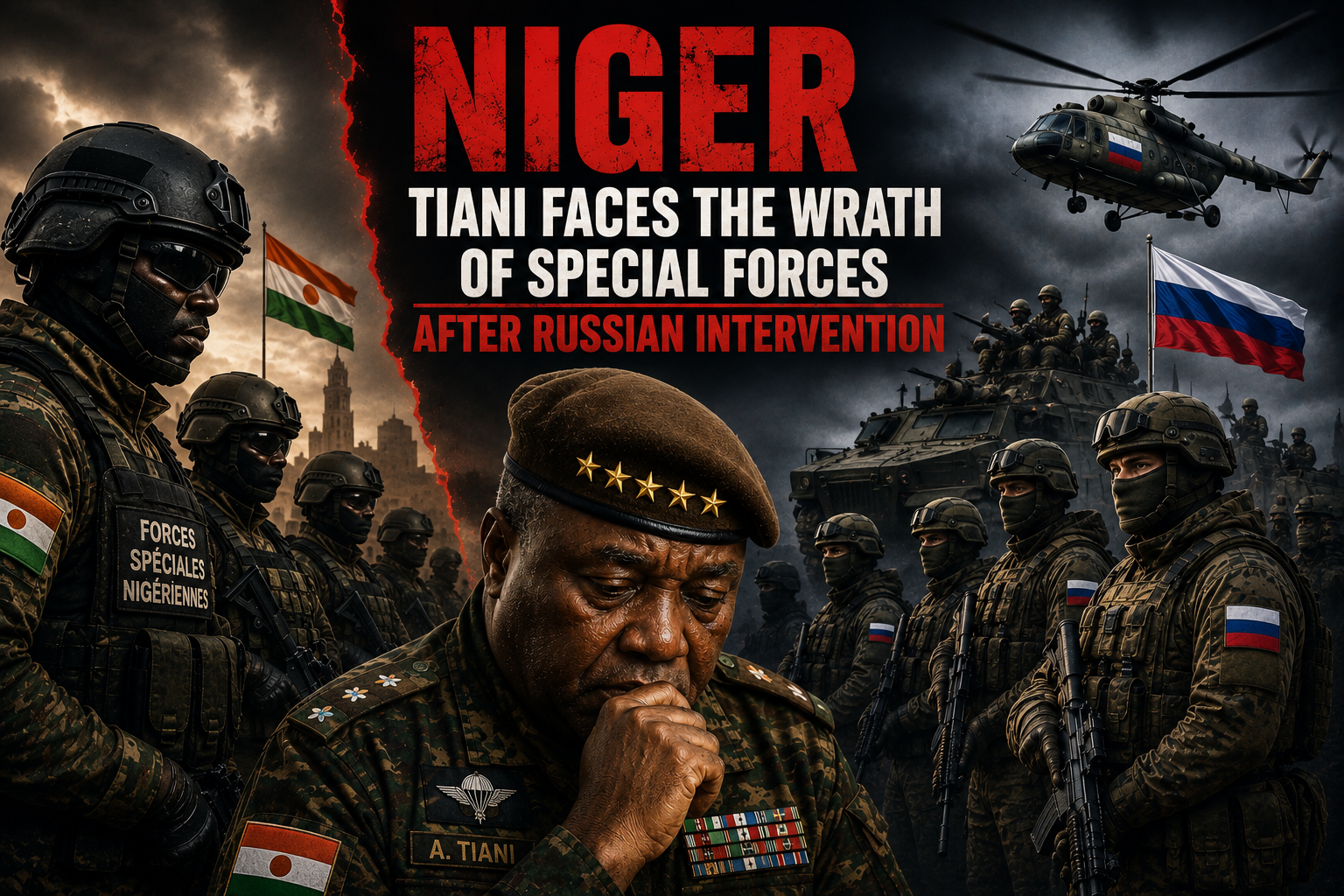
In Niamey, the apparent calm following the events of August 29 may conceal deeper tensions. Behind the official statements and assurances of control, a pressing question emerges: is the Nigerien military’s chain of command as unified as it claims? Appearances can be deceiving. Traffic has resumed in Niamey, authorities are communicating, and the government seems to have moved past the August 29 incident. However, in military regimes, a return to calm on the streets does not necessarily mean a return to normalcy in the barracks. This is where the main…
Read MoreNiamey’s uneasy calm: Niger’s military discontent persists
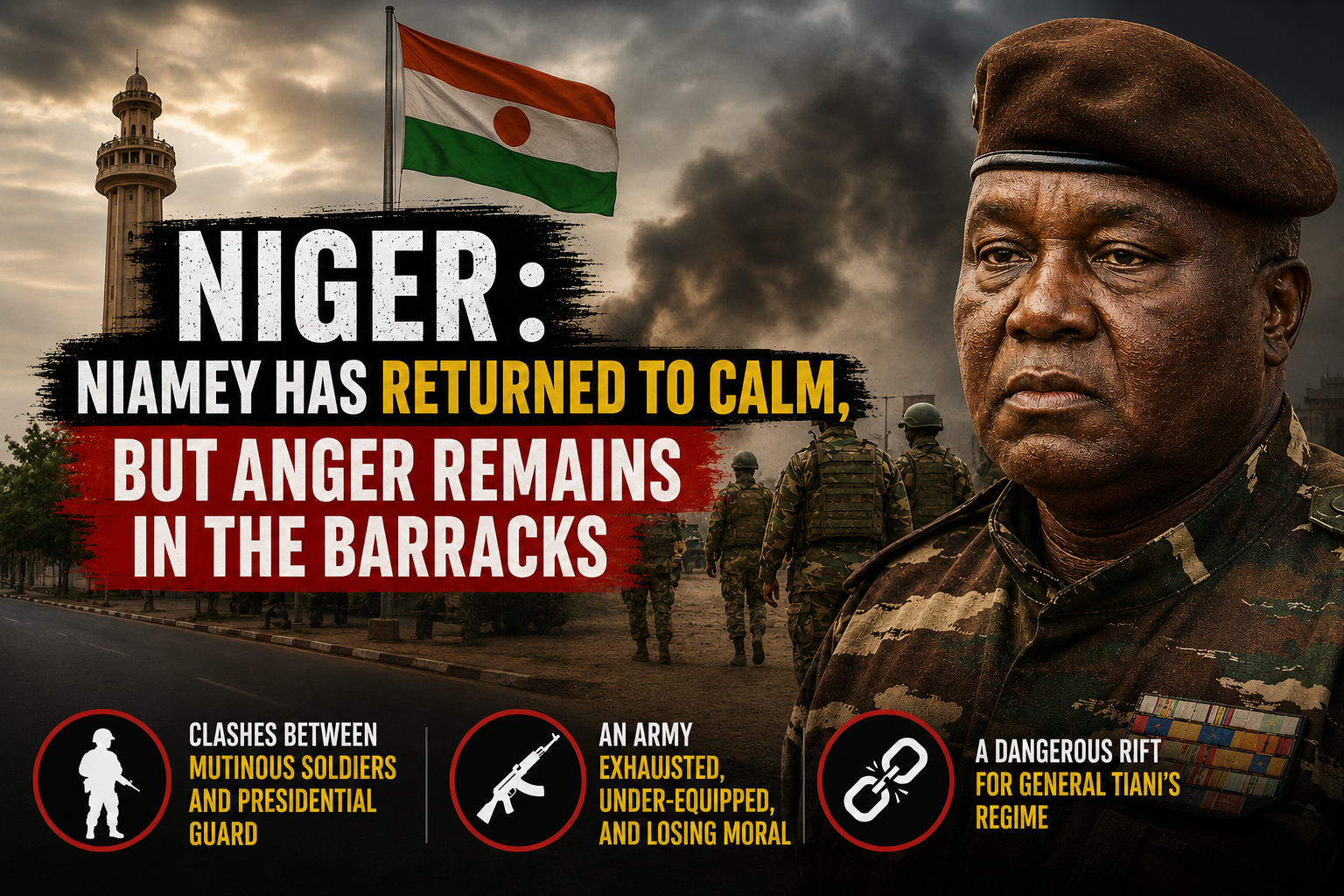
The capital, Niamey, experienced a return to tranquility this Monday, August 31st. However, beneath the quieted streets, a palpable tension lingers following a weekend of intense confrontations, marked by explosions and automatic weapon fire. These clashes, which erupted on Friday night into Saturday and continued throughout Saturday, pitted dissident soldiers against elements of the presidential guard, who were supported by Russian forces from Africa Corps. General Abdourahamane Tiani, leader of the National Council for the Safeguard of the Homeland (CNSP), has maintained absolute silence on the matter. The junta’s official…
Read More