Internal dissent: a military challenge to the Tiani regime in Niger
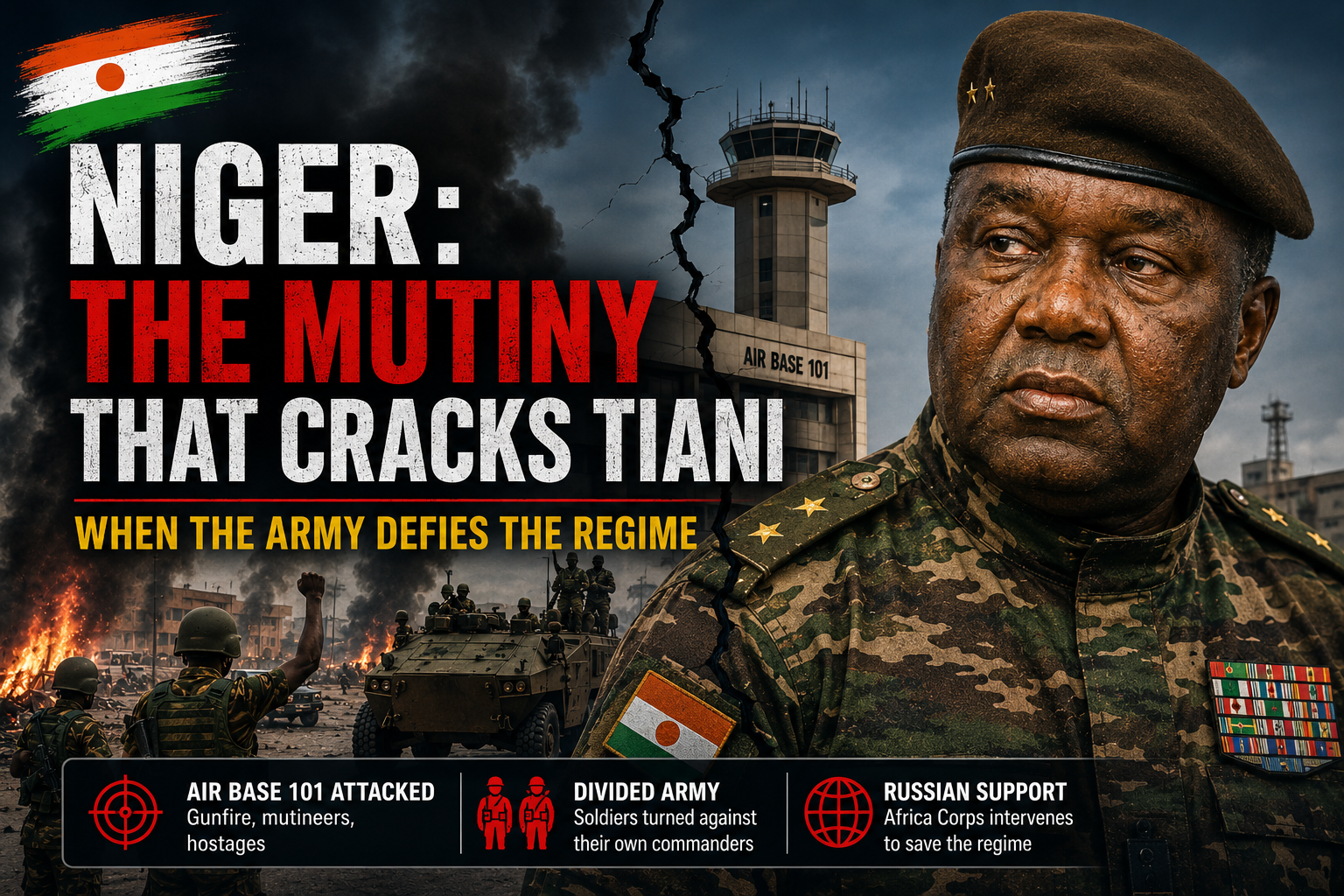
The profound incident of Saturday, August 29, 2026, in Niamey cannot be simply rationalized by official narratives or mischaracterized as mere “revolutionary zeal” among troops. The coordinated assault by military factions on Air Base 101 and several critical installations within the capital marks an exceptionally grave rupture in the regime’s recent history. The government itself confirmed that a contingent of soldiers had apprehended some of their colleagues before initiating hostilities against vital strategic points. The magnitude of this event far transcends the scope of a mere “dissatisfaction.” When military dissent…

Read More

Niamey tensions: examining the alleged africa corps withdrawal

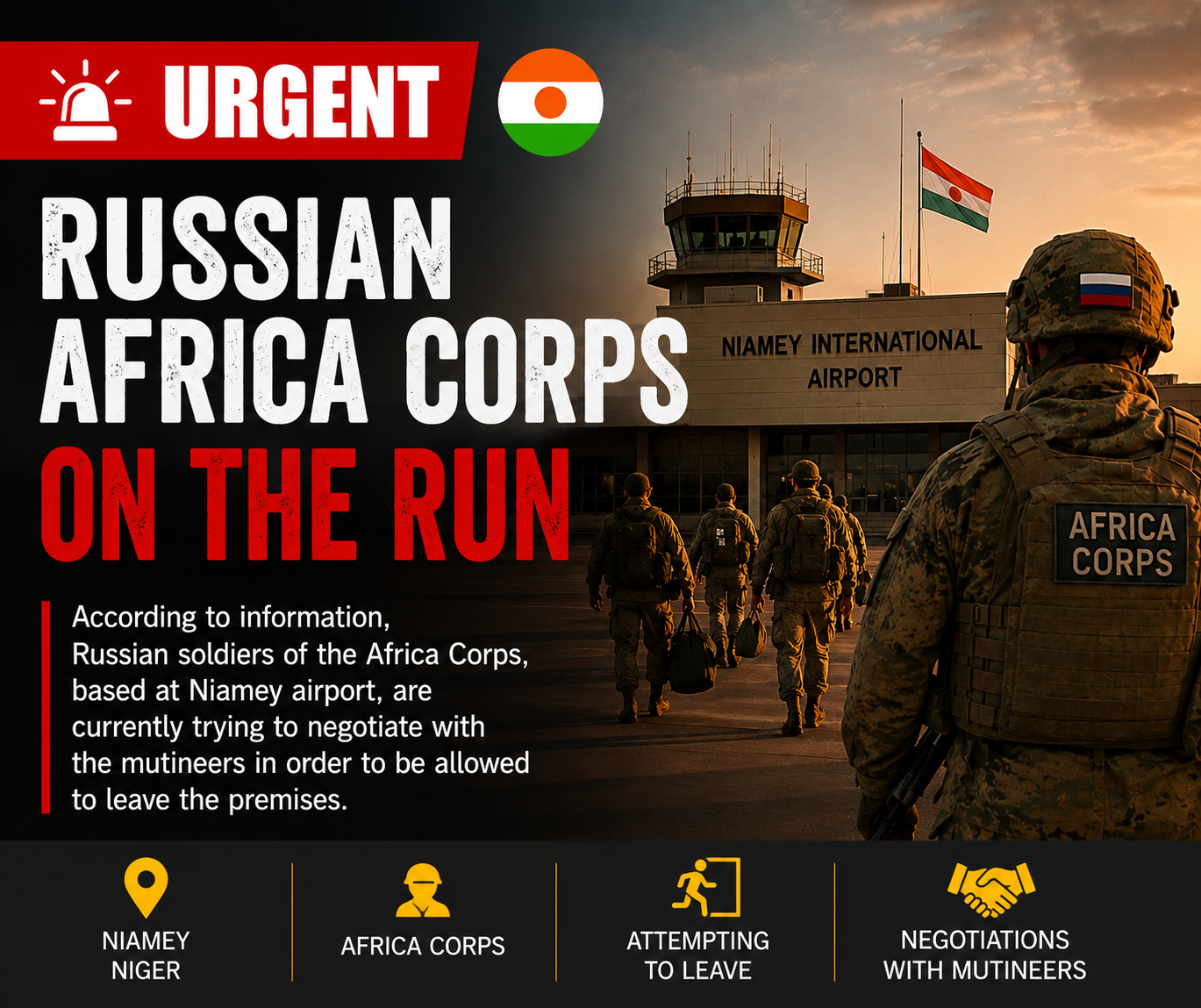
Recent disturbances and gunfire reported around Niamey’s Diori-Hamani International Airport have brought to light a significant situation: elements of Russia’s Africa Corps are reportedly engaged in urgent negotiations with Nigerien military personnel controlling the site, seeking their departure. Should these accounts be substantiated, this incident transcends a mere security breach at an airport. It would serve as a stark revelation of the inherent vulnerabilities within the security paradigm embraced by several Sahelian military administrations. The fallacy of the ‘unassailable ally’ Having disengaged from their conventional partners, various juntas across the…

Read More

Burkina Faso’s gold: weighing the true cost of new alliances and Russian aid

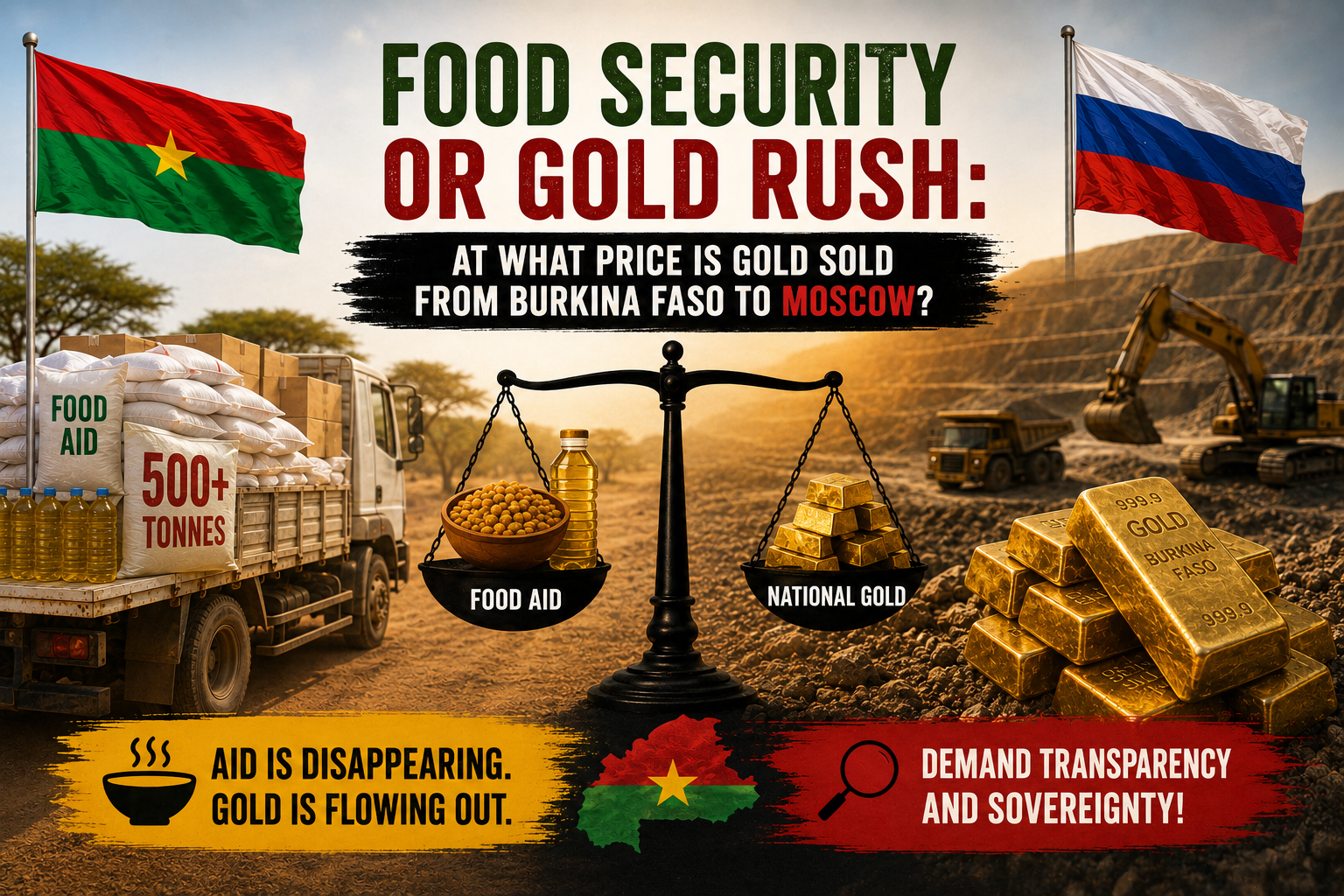
The Russian diplomatic mission in Ouagadougou officially announced the delivery of over 500 tonnes of humanitarian aid to Burkina Faso, valued at an estimated $942,500. This consignment included 462 tonnes of yellow split peas and 93.84 tonnes of sunflower oil, presented as an act of fraternal solidarity amidst a challenging humanitarian and security landscape. However, beyond this humanitarian operation, a critical question arises: what is the genuine nature of the evolving partnership between Ouagadougou and Moscow? While food assistance is undeniably beneficial, it should not deter citizens from scrutinizing the…

Read More

Togo’s land reform: addressing entrenched challenges to unlock economic potential

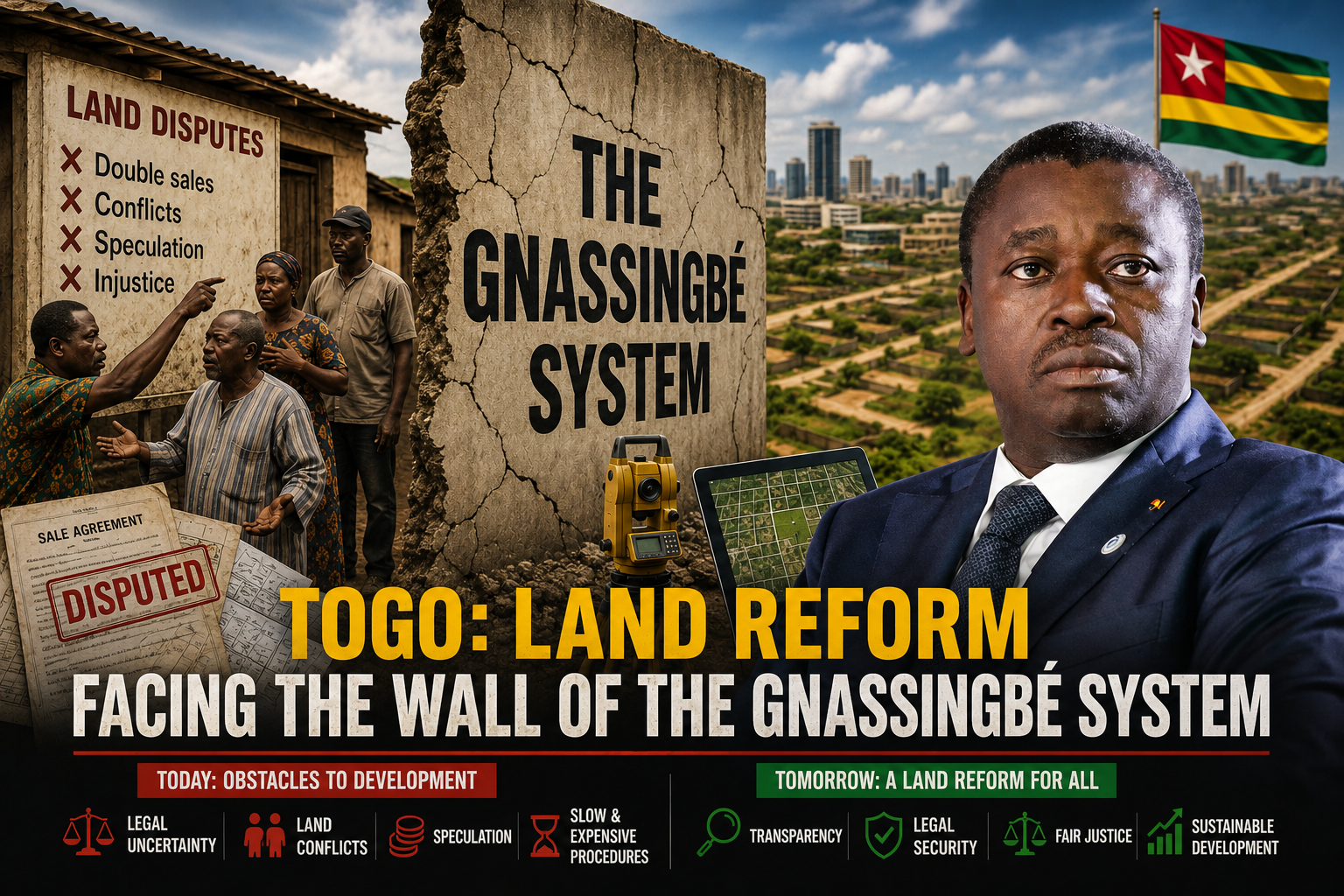
For sixty years, Togo’s land management system has been widely criticised for its inconsistency and inefficiency. Today, the government presents a bold new vision: transforming the land sector into a cornerstone of economic growth. While this ambition appears compelling on the surface, it faces significant hurdles rooted in the country’s entrenched systemic issues. Observers warn that without addressing these structural flaws at their core, this initiative could join the long list of reform attempts that remain unfulfilled. Deep-rooted obstacles to land security The fundamental challenge lies in pervasive disputes, fuelled…

Read More

Burkina Faso’s security crisis: assessing the government’s response amid growing challenges

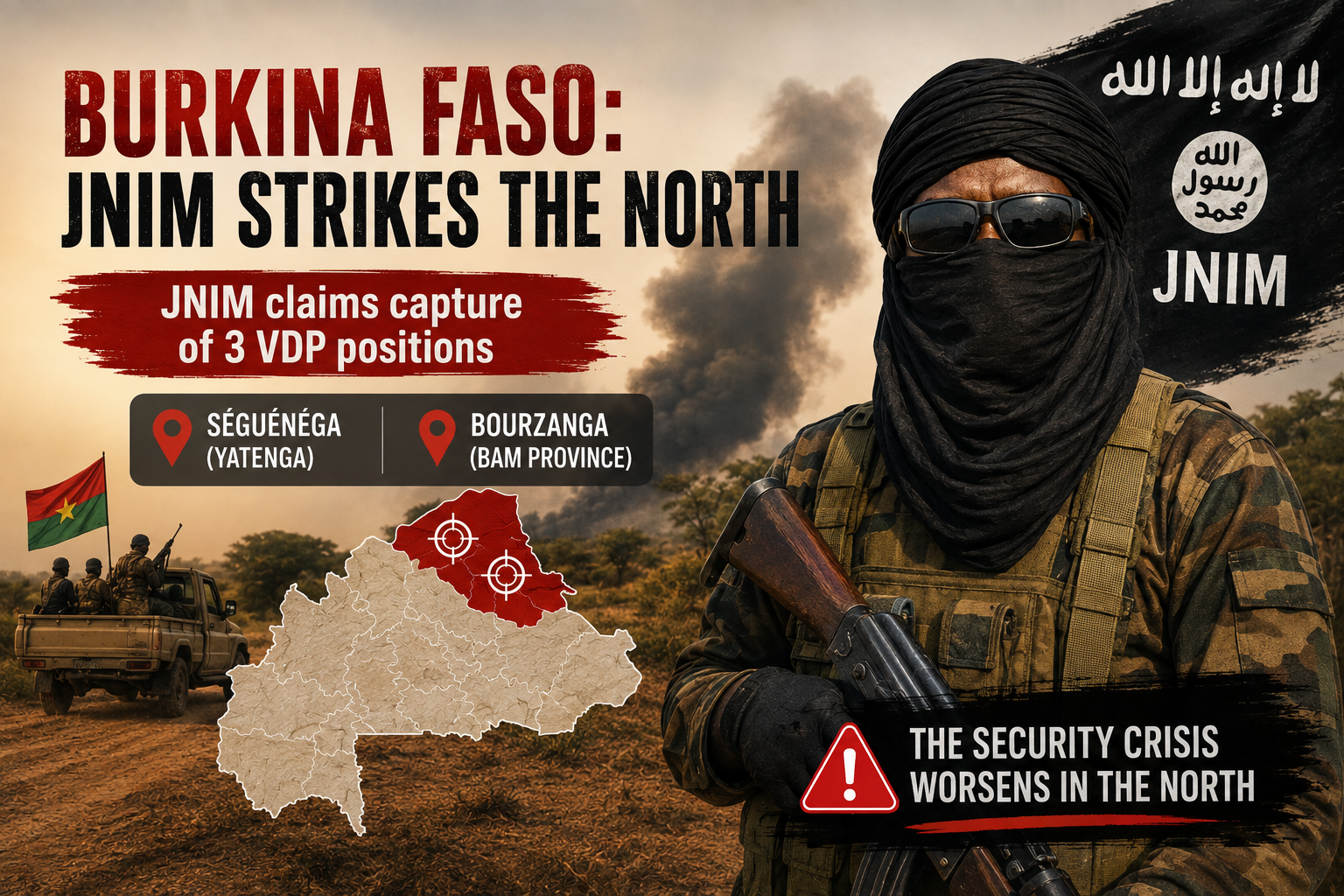
The escalating security threats gripping Burkina Faso have intensified scrutiny over the government’s communication methods. On August 19, the designated terrorist entity, JNIM, asserted responsibility for capturing three strategically vital positions previously held by the Volontaires pour la défense de la patrie (VDP) in the northern sector. These coordinated strikes targeted Séguénéga, located in Yatenga, and Bourzanga, in Bam, further expanding the operational reach of armed factions in the region. This most recent attack underscores persistent concerns regarding the government’s ability to maintain control over recovered zones. The surge in…

Read More

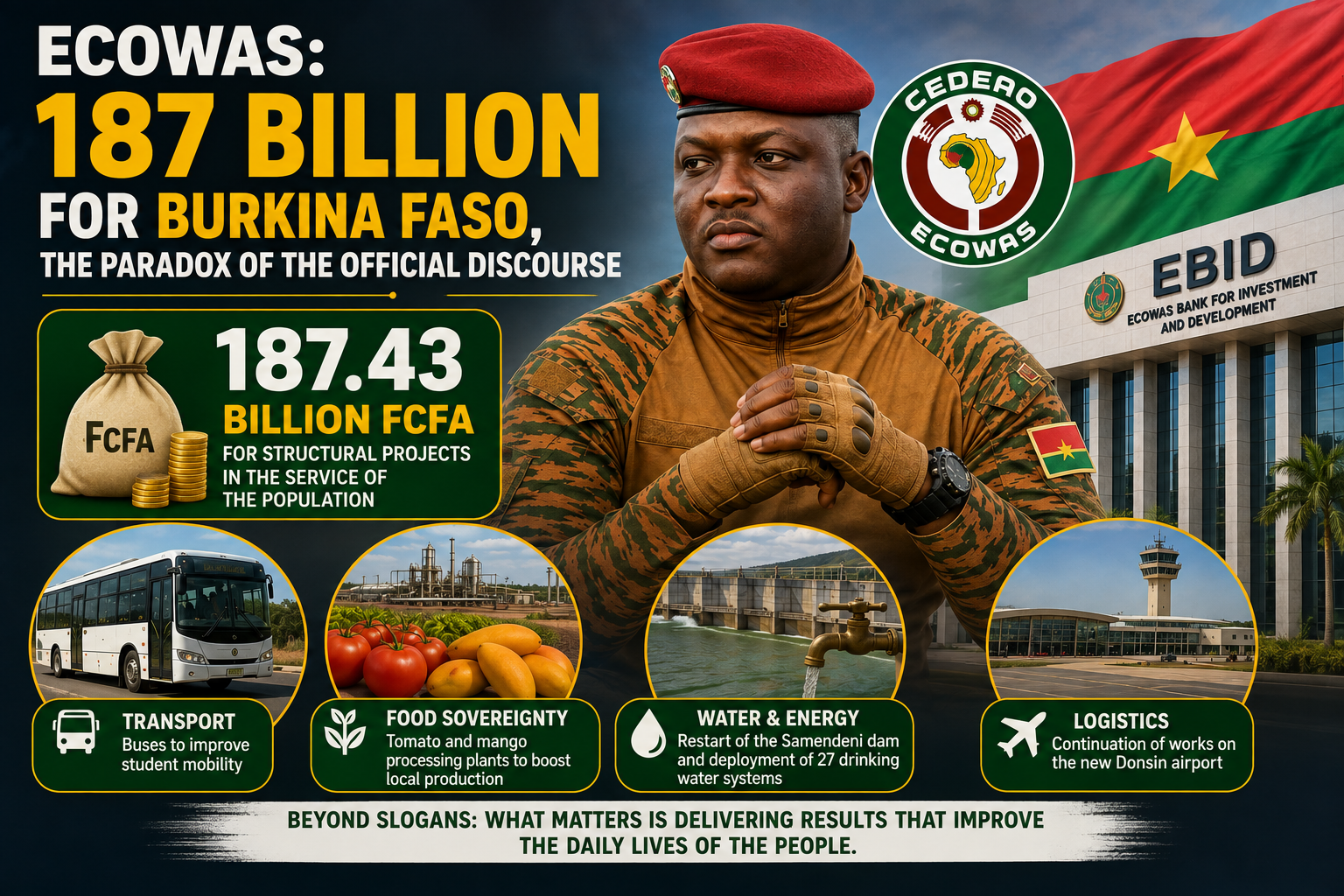
Burkina Faso’s ECOWAS paradox: financial reliance amid official criticism

While official communications from Captain Ibrahim Traoré consistently denounce ECOWAS, frequently characterizing it as an instrument manipulated by Western powers, the financial realities present a starkly different narrative. Beyond the realm of political rhetoric, the facts underscore that the Burkinabè government actively seeks and receives substantial financial support from this very regional institution. This inherent paradox warrants careful examination, as it illuminates a significant divergence between political discourse and the persistent economic challenges that any nation inevitably confronts. An organization may be subject to political condemnation, yet pragmatically remain a…

Read More

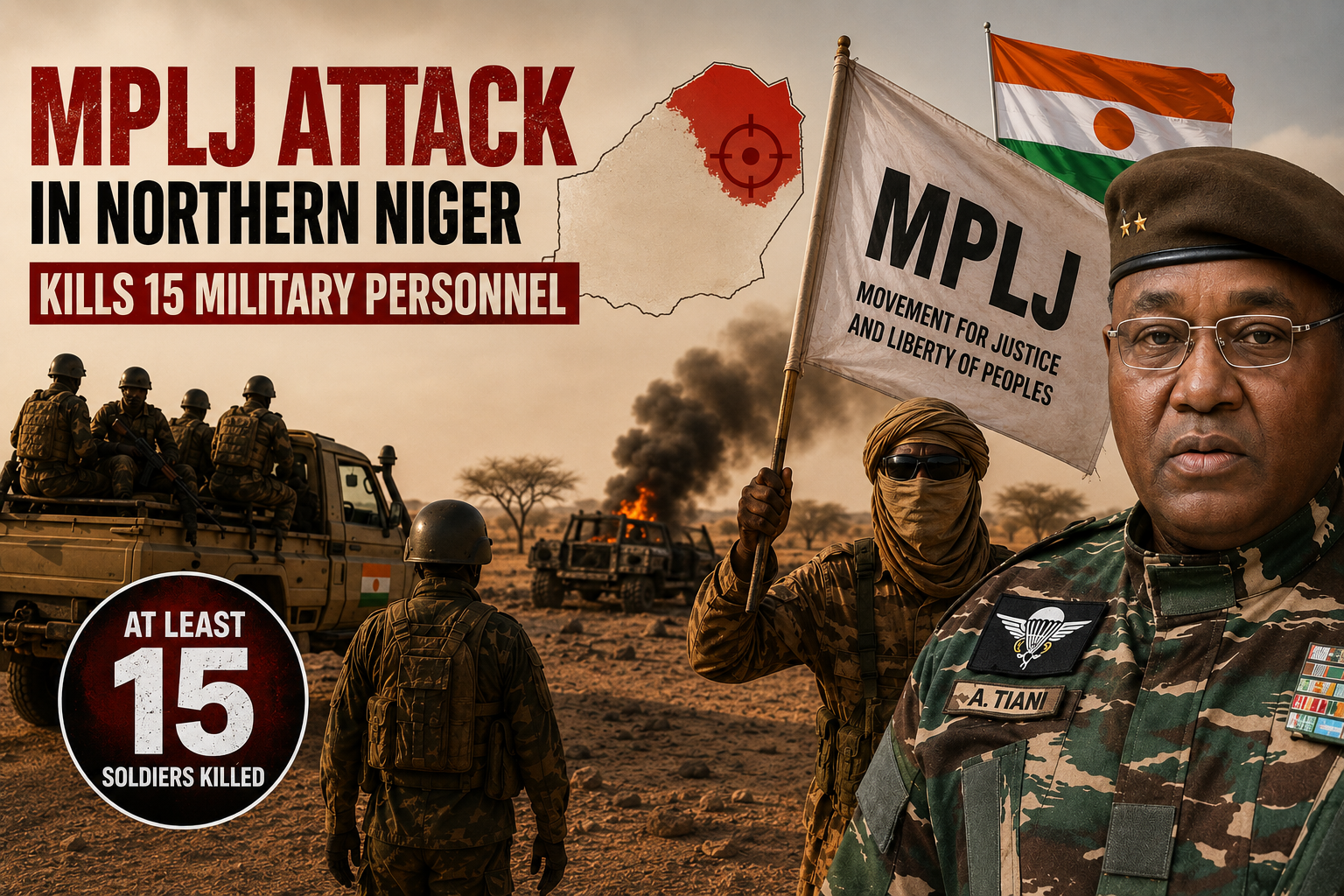
Niger faces mounting security failures after deadly attack in north

Rising insecurity exposes gaps in Niger’s military strategy In Niger, escalating security threats continue to undermine the military junta’s claims of sovereignty. The latest attack, attributed to the Movement for the Justice and Liberty of the Peoples (MPLJ), struck the northern region, leaving at least 15 soldiers dead. This incident spotlights a harsh truth: the administration led by General Abdourahamane Tiani struggles to fulfill the most basic state duty—ensuring the safety of its citizens and exerting control over its territory. Challenges of securing vast and remote regions The attack raises…

Read More

Morocco’s Azrou college: where the berber elite was forged

Feature Morocco’s Azrou college: where the berber elite was forged Designed under French rule as the cornerstone of a Moroccan ‘Berber policy,’ Azrou college was meant to cultivate a compliant Amazigh elite fluent in French, distanced from nationalist movements in Fès and Rabat, intended to serve colonial administration and military. History had other plans. Its graduates included independence activists, ministers, governors, judges, and thirteen generals. Some served King Mohammed V and Hassan II, while others were swept up in the failed coups of 1971 and 1972. Drawing from Mohamed Benhlal’s…

Read More

Sénégal : un précédent institutionnel, une leçon pour les marchés émergents

  Opinions Par Lansana Gagny Sakho Sénégal : un précédent institutionnel, une leçon pour les marchés émergents EXCLUSIF SENEPLUS – Entre volatilité financière, chute des investissements et tension sur l’emploi, le pays a appris entre 2024-2026 à ses dépens qu’en économie, l’imprévisibilité politique se paie comptant   Byline Lansana Gagny Sakho 09/08/2026 23h22 ID 1007366 Lansana Gagny Sakho |Publication 09/08/2026 Entre 2024 et 2026, le Sénégal a traversé l’une des séquences les plus instructives de son histoire contemporaine en matière de gouvernance, de risque pays, de communication stratégique et de perception internationale. Ce moment,…

Read More

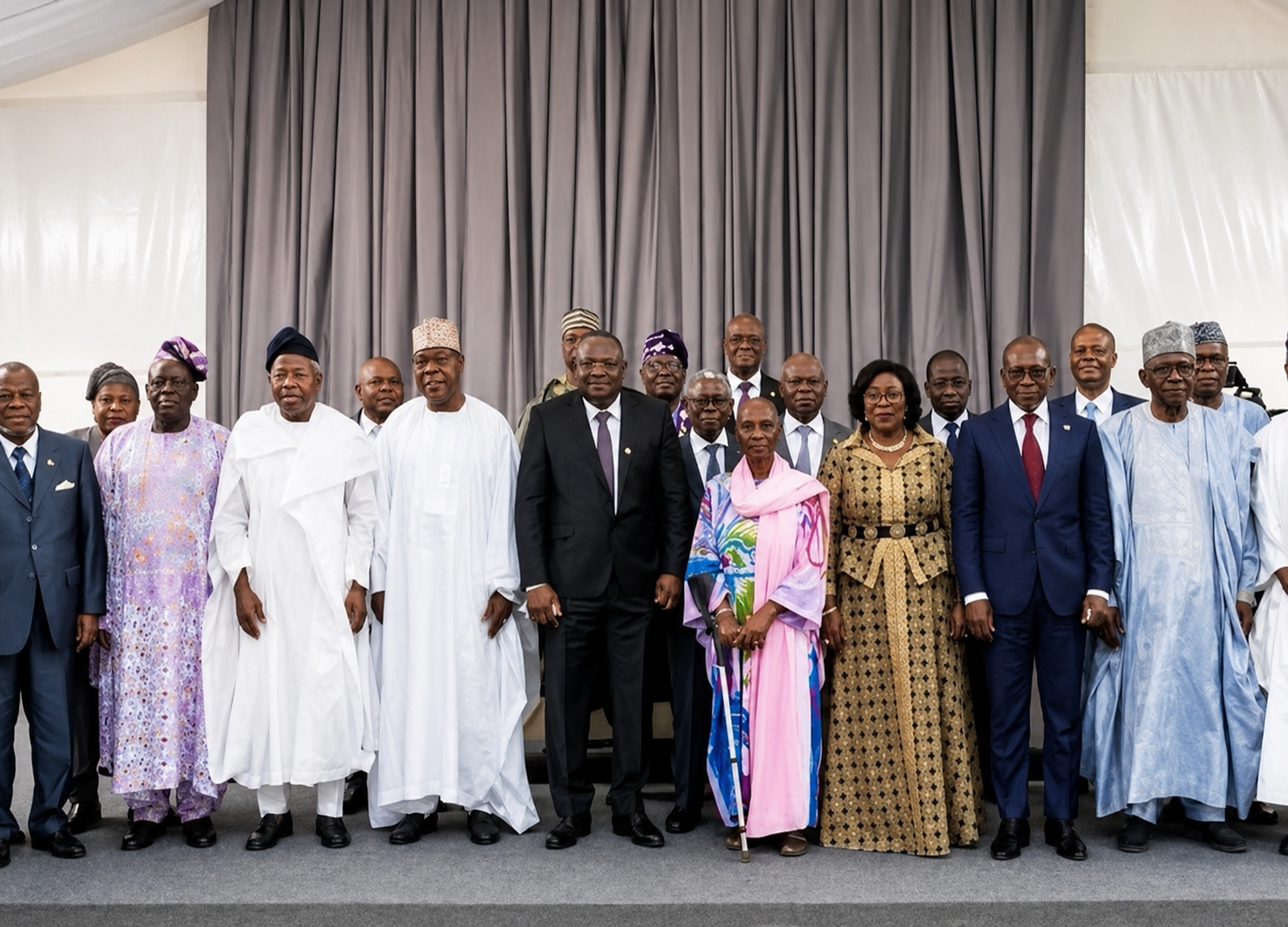
Benin’s senate: navigating new political waters amid constitutional realities

The Bénin Senate’s Inauguration and the Rise of Patrice Talon On July 30, 2026, Bénin marked a historic moment with the official establishment of its first Senate, a bicameral legislative body born from the constitutional reforms of December 17, 2025. Just over a week later, on August 6, the former President Patrice Talon was elected as its president, adding a layer of complexity to the country’s evolving political landscape. This new chamber, introduced to balance the nation’s institutional framework, has already sparked intense debate. Critics have framed the Senate as…

Read More

How Côte d’Ivoire’s 66 years of independence align with the 2026 National Development Plan

From political sovereignty to holistic development: a 66-year journey The birth of Côte d’Ivoire as an independent nation in 1960 marked not the end, but the beginning of a transformative journey. Independence granted the country legal and political autonomy, allowing it to chart its own course on the global stage. This sovereignty was not merely symbolic—it laid the foundation for a future defined by self-determination and equitable growth. But sovereignty, in its truest sense, extends beyond mere declarations. It encompasses the ability to govern, to protect, and to thrive as…

Read More

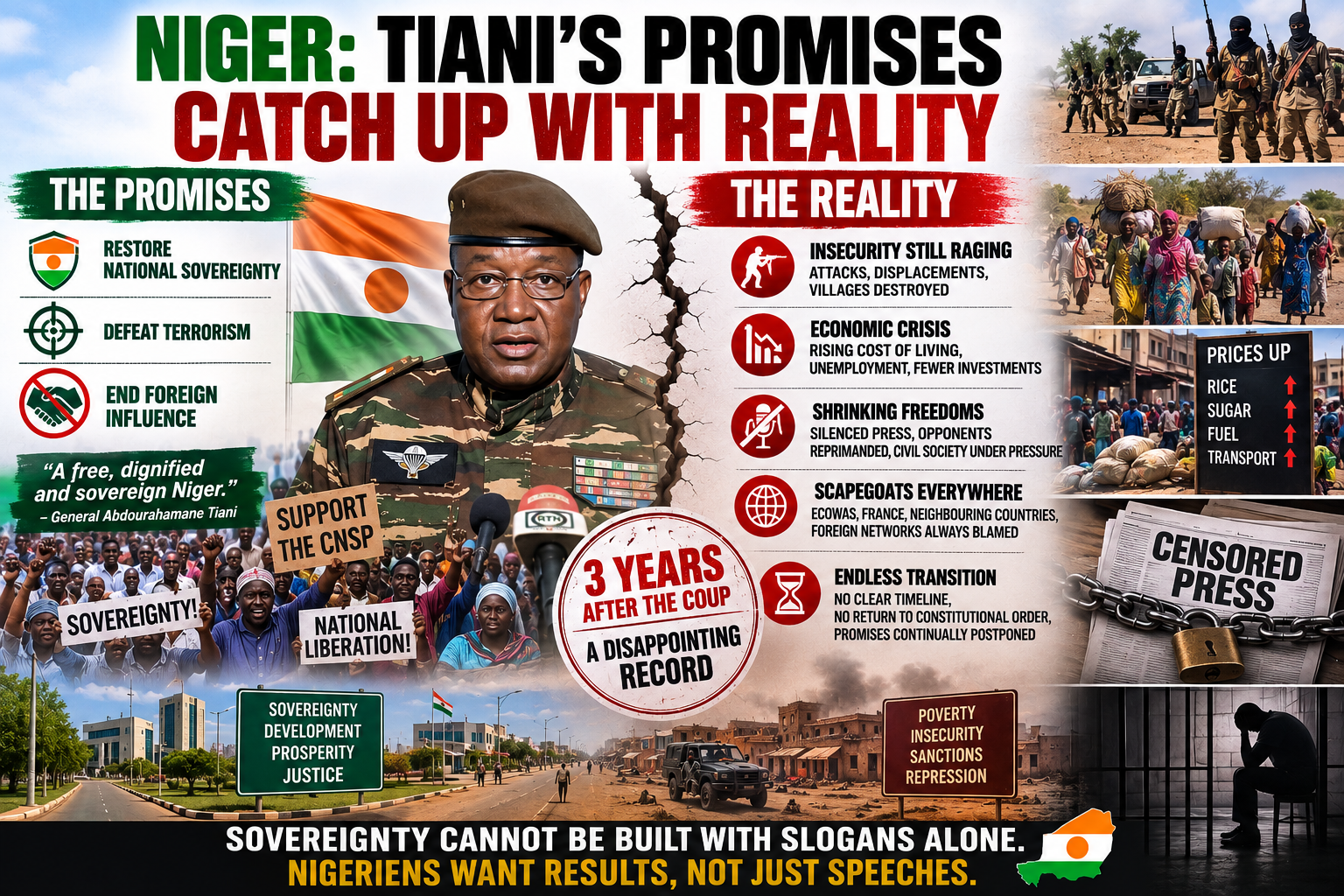
Niger’s Tiani faces reality after coup promises

From coup promises to hard reality When General Abdourahamane Tiani deposed President Mohamed Bazoum on July 26, 2023, he framed his takeover around three core commitments: restoring national sovereignty, eradicating terrorism, and ending foreign influence over Niger’s decision-making. This narrative, amplified by regime-aligned media and pro-sovereignty movements, resonated with many citizens exhausted by chronic insecurity and economic hardship. Sovereign rhetoric masks persistent challenges Three years after the coup, the gap between promises and outcomes has fueled growing discontent. While official discourse continues to rail against neocolonialism, Nigeriens’ daily struggles remain…

Read More