Benin and vietnam’s economic ties spark debate over raw materials vs industrial growth
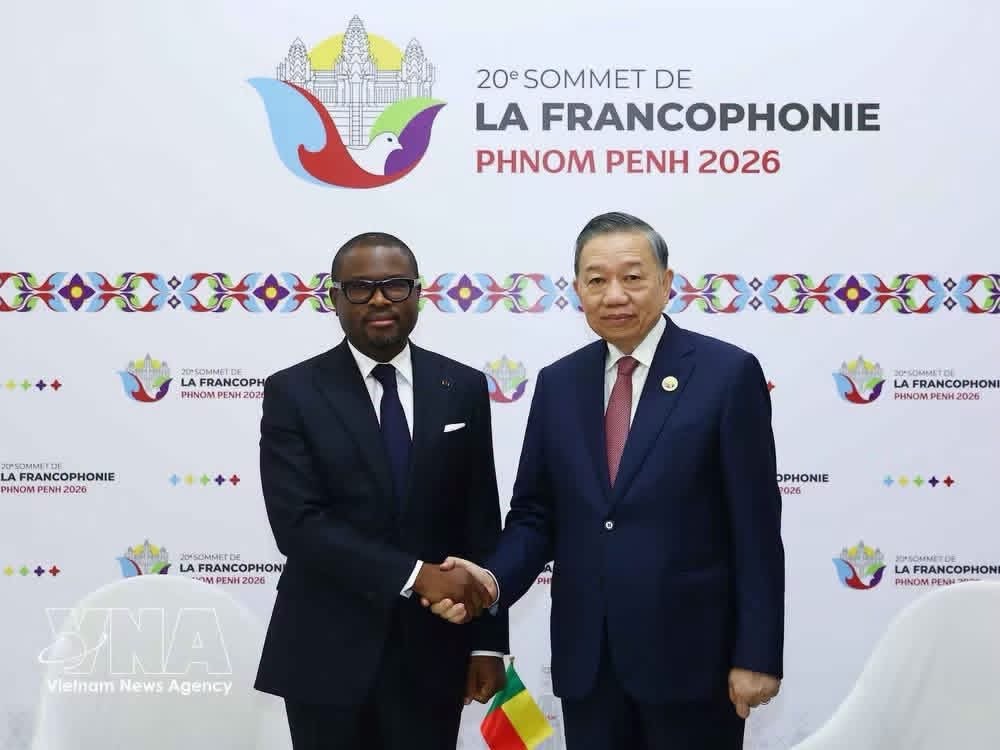
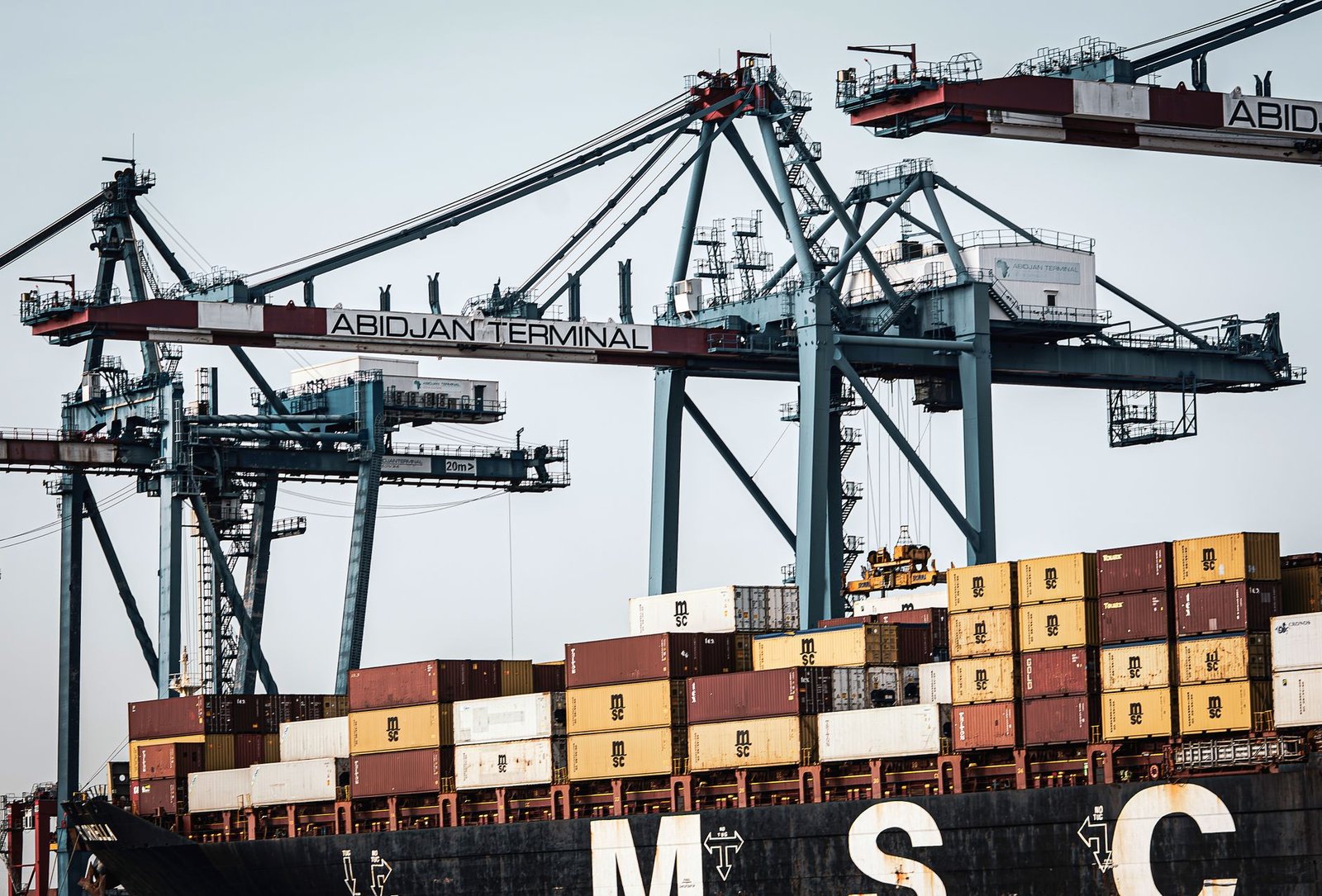
The recent meeting between Benin’s Minister of Economy and Vietnam’s counterpart has ignited a broader discussion about the future of their bilateral economic relationship. Held on the sidelines of a major international forum, the discussions centered on key sectors like rice, cashew nuts, cotton, aquaculture, and port infrastructure all critical to Benin’s economic ambitions. Yet, the debate now turns to whether this partnership will reinforce Benin’s role as a raw material supplier or propel its industrial development. Diplomacy meets economic ambition: a high-stakes partnership The November meeting between Romuald Wadagni…

Read More

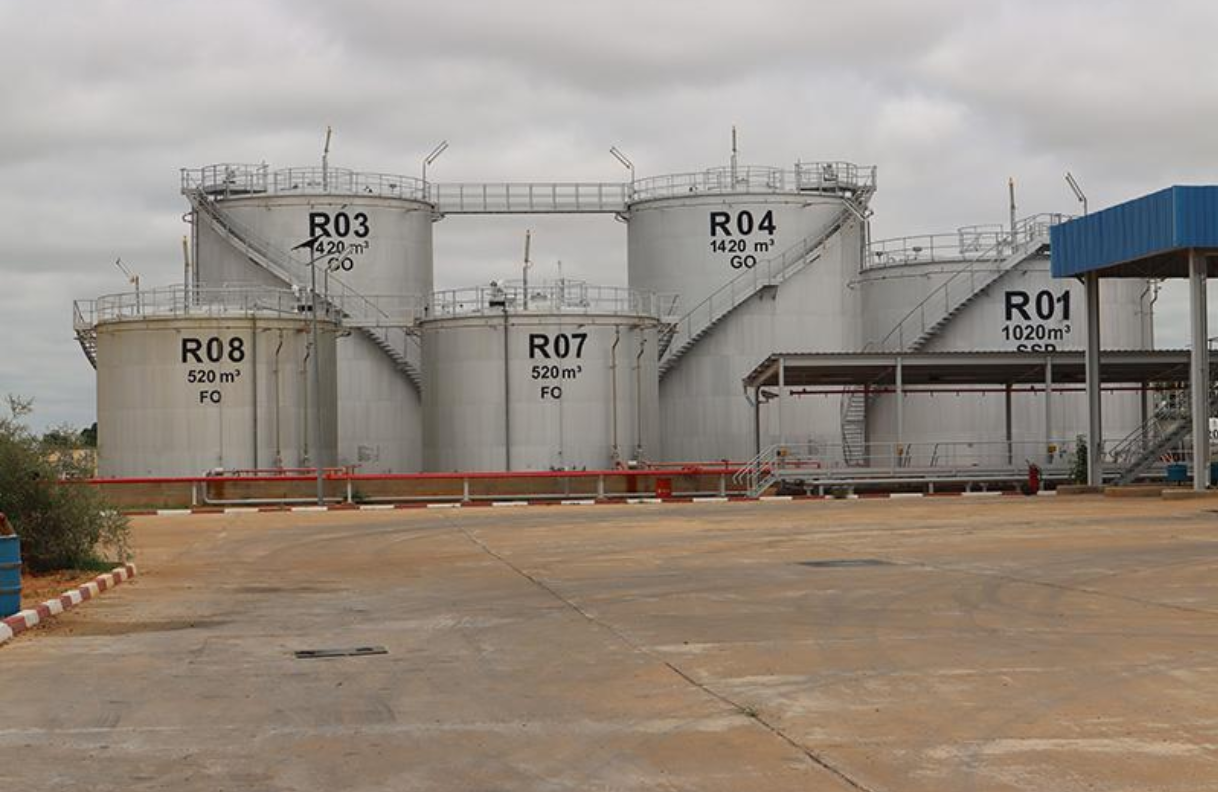
Niger’s oil scandal: public backlash grows as 7 billion cfa francs investigation stalls

Public outrage mounts over halted oil sector audits in Niger The Nigerien government faces mounting scrutiny as revelations of 7 billion cfa francs in financial irregularities within the national oil sector trigger public debate over transparency and political interference. Investigations into the Société nigérienne des produits pétroliers (SONIDEP) have uncovered early evidence of mismanagement, but allegations of high-level obstruction are now dominating the discourse across political and civil society circles. From irregularities to political interference: the unraveling of a sensitive dossier Initial findings from SONIDEP’s audit have sent shockwaves through…

Read More

UK-Cameroon trade shift: why service exports are now leading the way

For the first time in recent memory, Cameroon’s exports to the United Kingdom have undergone a fundamental transformation. British customs data for the 12 months ending June 2026 reveals a remarkable reversal: service exports from Yaoundé reached £86 million, compared to £82 million for physical goods. When converted at current rates, this represents approximately 67.5 billion CFA francs in service revenue – an increase of 3.2 billion over merchandise sales. While the gap remains narrow, its symbolic weight carries significant implications for a nation whose economic foundations have long relied…

Read More

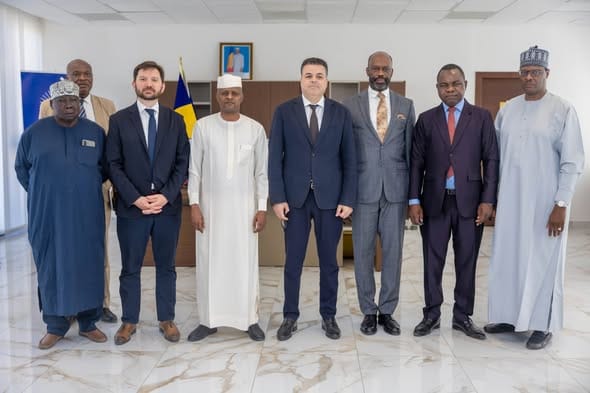
Chad’s economic roadmap: inside the FMI’s N’Djamena talks with finance leadership

The International Monetary Fund (FMI) has launched a crucial two-week mission in Chad’s capital, N’Djamena, diving beneath the surface of the nation’s economic strategy. Leading this intensive dialogue is Julien Reynaud, whose team engages directly with top officials, private sector leaders, and development partners from November 16 to 26, 2026. This behind-the-scenes engagement is more than a routine check-up—it’s an analytical deep dive into the root causes shaping Chad’s financial landscape. The agenda cuts to the core of pressing issues: how public debt is managed, how oil and banking sectors…

Read More

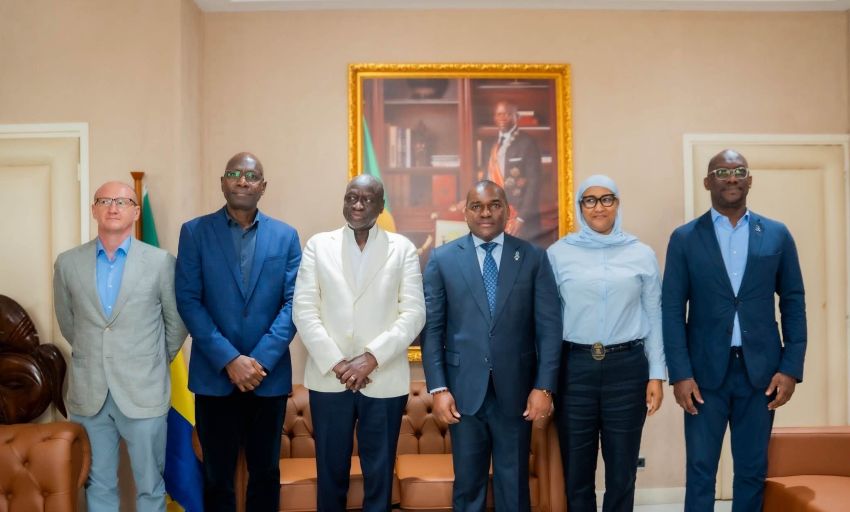
Gabon’s Bélinga–Kobe-Kobe iron ore corridor: The hidden dynamics shaping an industrial dream

Economic Analysis Gabon’s Bélinga–Kobe-Kobe iron ore corridor: The hidden dynamics shaping an industrial dream Libreville, November 16, 2026 — Gabon is quietly building one of its most ambitious economic ventures around the Bélinga iron ore deposit and the upcoming Kobe-Kobe mineral port in Ogooué-Ivindo. Beyond mere extraction, the project aims to construct a fully integrated industrial and logistics system. The November 15 visit by Ousmane Diagana, World Bank Vice President for West and Central Africa, to Minister of State for Transport Ulrich Manfoumbi Manfoumbi, underscores the international significance of this…

Read More

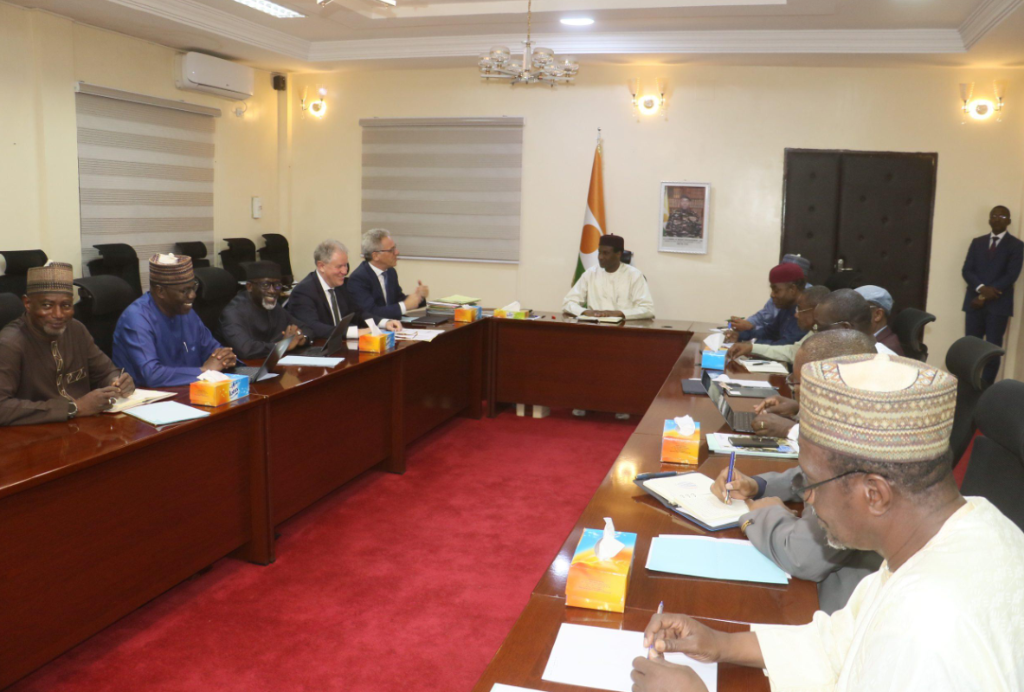
Niger’s $760 million World Bank pledge faces scrutiny over transparency gaps

Public backlash grows as Niger gears up for massive financial influx without accountability Niger is set to receive a significant financial boost of $760 million from the World Bank, but concerns are mounting over how the funds will be managed amid plummeting transparency scores. With its 2025 Open Budget Index score dropping to just 6 out of 100—down from 33 in 2023—the country faces mounting pressure to address governance challenges before the funds are disbursed. The announcement, made during a high-profile event in Niamey, underscores a critical question: Can Niger…

Read More

Senegal’s nine-month budget execution reveals investment slowdown under scrutiny

Behind the numbers: how Senegal’s budget transparency is shaping global trust The disclosure of Senegal’s nine-month budget execution data has become a litmus test for both international creditors and financial markets. Released by the Ministry of Finance, Planning, and Cooperation, the figures reveal a total of 4,370.7 billion West African CFA francs—approximately 6.6 billion euros—committed in public expenditure between January and September. Within this total, investment allocations amounted to 1,068 billion CFA francs, representing just under a quarter of the cumulative fiscal effort. Why timing matters: how Dakar’s budget updates…

Read More

Behind the numbers: Senegal’s 2026 investment lag and the squeeze on public finances

As Senegal approaches the final quarter of 2026, two critical indicators reveal the strain on its public finances. By the end of September, the budget deficit had widened to 585.5 billion West African CFA francs—equivalent to nearly €900 million—while investment spending execution languished below 40%. These figures are more than numbers on a balance sheet; they expose the structural weaknesses in the state’s ability to turn budgeted funds into tangible infrastructure and development outcomes. The anatomy of an investment slowdown A dismal execution rate of less than 40% by late…

Read More

Behind-the-scenes: why Senegal terminated Bargny port’s Leduc concession

The revocation of Leduc Sénégal’s concession at the Port of Bargny is more than a contract termination—it’s a strategic reset with deep implications for Senegal’s infrastructure ambitions. Authorities have imposed a penalty exceeding 4.75 billion West African francs, roughly €7.2 million, effectively reclaiming control of a site poised to become a cornerstone of West African mining logistics. This move signals a broader overhaul of concessions deemed unsustainable or mismanaged. Bargny’s strategic rise in Senegal’s port expansion Located 40 kilometers east of Dakar along the Petite Côte, the Bargny-Sendou complex was…

Read More

Inside Cameroon’s 2027 budget battle: what’s driving Motaze’s high-stakes financial moves

As Cameroon prepares its 2027 budget, Finance Minister Louis-Paul Motaze faces an unprecedented financial crossroads. Behind the scenes, the pressures on public finances reveal deeper structural challenges that could reshape household budgets for years to come. This isn’t just about numbers—it’s about the long-term economic sustainability of Central Africa’s largest economy. Why Cameroon’s 2027 budget faces hidden financial pressures The roots of this looming crisis run deeper than recent headlines suggest. Cameroon’s public finances are straining under a triple burden: declining oil revenues, rising public debt servicing costs, and the…

Read More

Climate resilience push for nine beninese communities fuels public debate

After the launch: what Benin’s climate resilience project means for rural communities With droughts, erratic rainfall and flash floods becoming more frequent, Bénin has launched a bold initiative to shield nine of its most vulnerable communes from the worsening impacts of climate change. The newly inaugurated Projet intégré de renforcement de la résilience climatique des communes vulnérables et frontalières (PIRRCF) has ignited a public debate over whether the 7.15 billion FCFA investment can deliver lasting change to rural livelihoods—especially when climate threats are accelerating faster than adaptation efforts. On November…

Read More

Benin’s energy crisis: can 2030 electrification targets revive industry and jobs?

As Benin celebrates an average annual economic growth rate of 7.1% between 2021 and 2025, surpassing 8% in 2025 alone, the West African nation stands out as one of the region’s most resilient economies. Massive infrastructure investments, industrial expansion, and economic modernization have fueled this expansion. Yet, despite these strong macroeconomic indicators, a troubling disconnect persists: growth is failing to generate sufficient formal, stable, and well-paid employment opportunities. This paradox is at the heart of the ongoing public debate in Benin, as highlighted in the latest economic outlook reports. In…

Read More