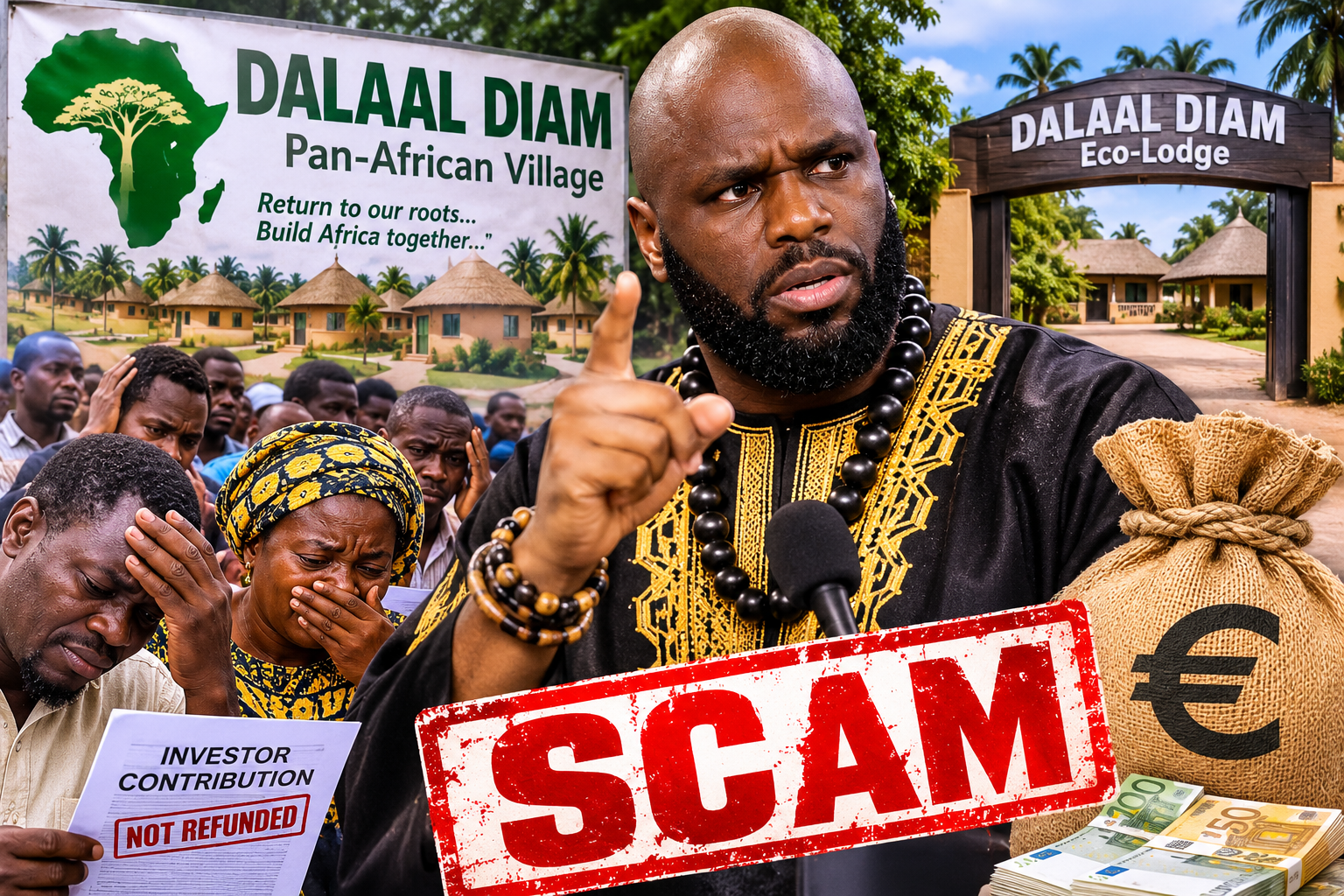
In 2011, Kémi Séba born Stellio Capo Chichi championed an ambitious initiative under the banner of panafricanism: Dalaal Diam, a proposed village in Senegal financed by Afrikan Mosaïque. Séba positioned himself as the project’s lead advocate in the country, framing it as a tangible step toward African diaspora repatriation, self-sustaining development, and Marcus Garvey’s vision of continental reunification.
Yet behind the rhetoric lay a costly endeavor. Promoters promised eight hectares of land and a €360,000 budget to transform the dream into reality. Investors were invited to contribute funds and believe in a panafrican movement that moved beyond rhetoric to action. But as the first wave of subscribers soon discovered, the reality fell far short of the promise.
From grand vision to abrupt pivot
The years 2012 and 2013 exposed severe shortcomings. Core project components failed to materialize, and several originally planned sectors were abandoned entirely. By 2014, organizers pivoted toward an eco-lodge model a stark departure from the envisaged panafrican village. While the rebranding signalled a shift in strategy, it did little to address the growing disquiet among early investors.
The most pressing concern remains the fate of their financial contributions. Despite the abandonment of key project goals, subscribers report no refunds have been issued. Individuals who trusted in the initiative’s ideals and invested their savings continue to await returns, raising urgent ethical and financial questions.
The curious afterlife of Dalaal Diam
Beyond the unmet promises, another peculiar detail has surfaced: the continued use of the project’s name in public discourse. Dalaal Diam meaning “peace be with you” in Wolof has resurfaced as a phrase repeatedly invoked by Séba in speeches and statements. The disconnect is striking: how can a project name tied to unfulfilled panafrican ambitions retain such symbolic currency, while the people who funded it remain uncompensated?
Accountability in question
The lingering uncertainty has intensified calls for clarity. Investors and onlookers demand answers: What role did Séba play in securing and directing funds? Who managed the financial inflows and where were the resources allocated? Most critically, why have subscribers still not received refunds?
The absence of transparency has eroded trust in the narrative that African-led initiatives can deliver on their promises. The Dalaal Diam affair underscores a troubling pattern: bold panafrican rhetoric often meets weak accountability when reality sets in. True panafricanism, as many now argue, must include not only calls for solidarity and continental investment, but also respect for the individuals who put their faith and savings into such projects.
The time for answers is long overdue. The individuals and families who placed their trust in Dalaal Diam deserve more than silence. They deserve transparency. They deserve restitution. And above all, they deserve the right to see the panafrican ideal practiced with integrity not exploited as a marketing slogan.
By Aïcha Abdou — Journalist