Libreville, November 25, 2026 — Gabon’s political landscape is undergoing rapid transformation, with the Democratic Union of Builders (UDB) at the center of a strategic repositioning. Behind yesterday’s high-stakes meetings lies a calculated strategy to consolidate influence before the pivotal December gatherings.
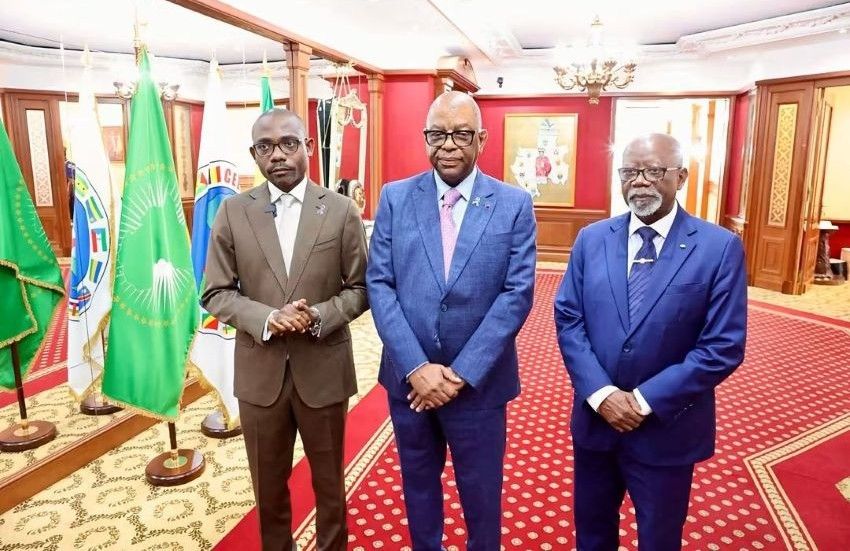
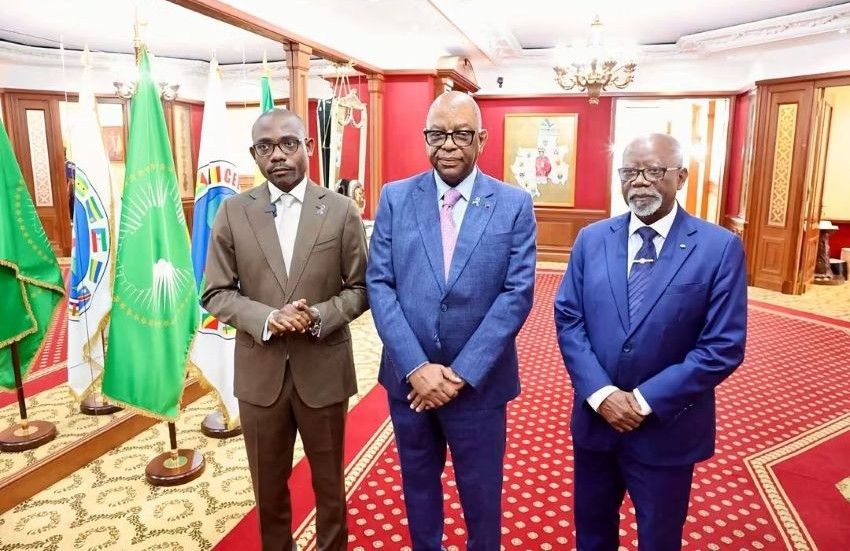
The UDB’s founder, Brice Clotaire Oligui Nguema, received two distinctly different delegations on November 24. The first, led by Alexandre Barro Chambrier of the Rally for the Homeland and Modernity (RPM), engaged in discussions that have quietly unfolded over several months. The second delegation consisted of former members of Réagir, marking their individual defection to the UDB. These meetings reveal deeper currents shaping Gabon’s political future.
The RPM’s strategic crossroads
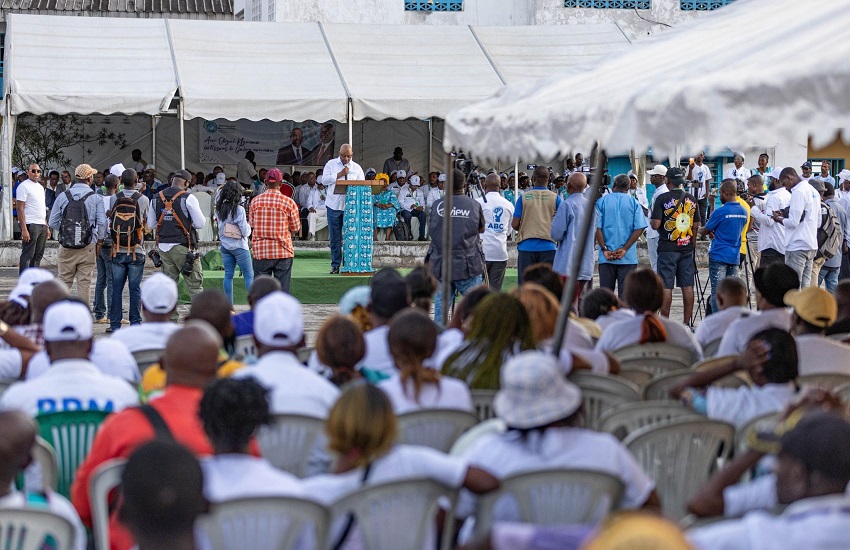
The RPM’s encounter with the UDB didn’t emerge overnight. Months of behind-the-scenes negotiations culminated in a comprehensive briefing presented by Mays Mouissi, UDB Secretary-General, to Brice Clotaire Oligui Nguema. The focus? Defining the terms of a potential alliance—be it a loose cooperation or deeper integration. Yet, the RPM must make its intentions clear by November 26, when its extraordinary congress convenes in Libreville.
While no formal merger has been declared, the RPM’s upcoming congress will determine whether its evolution leans toward partnership or absorption. For Alexandre Barro Chambrier, this moment is pivotal. The RPM’s choices will reflect its core identity, organizational structure, and commitment to member participation in decisions that redefine its future.
From Réagir to the UDB: the cost of political realignment
The second delegation brought former Réagir members into the UDB fold. While individual defections have been confirmed, the party’s leadership stresses that Réagir as a whole has not merged with the UDB. This nuance underscores the delicate balance between personal political shifts and collective party dynamics.
These new members are poised to participate in the UDB’s first ordinary congress on December 5, themed “Roots and Reinforcement.” Provincial councils held from November 20–22 have already laid groundwork by gathering local insights to shape the party’s national strategy.
Why now? The calculus behind Gabon’s political reshuffle
This wave of realignments isn’t happening in a vacuum. While the UDB prepares for its congress, the Rally for the Homeland and Modernity (RPM) and the Gabonese Democratic Party (PDG) are also gearing up for their own congresses. Each formation faces critical decisions about organizational structure, policy positioning, and alliance-building in Gabon’s post-transition political environment.
For the UDB, the challenge is translating piecemeal adoptions and informal alliances into a cohesive, sustainable movement. The RPM, meanwhile, must reconcile its historical identity with the demands of a fast-evolving political scene. Citizens and militants will scrutinize how these shifts translate into tangible policy influence and grassroots representation.
As Gabon’s political actors navigate these uncharted waters, yesterday’s meetings represent more than political maneuvering. They signal a deeper reckoning with democracy, governance, and the role of coalitions in shaping the nation’s path forward. The coming weeks will reveal whether these behind-the-scenes negotiations translate into lasting structural change—or merely temporary alliances.