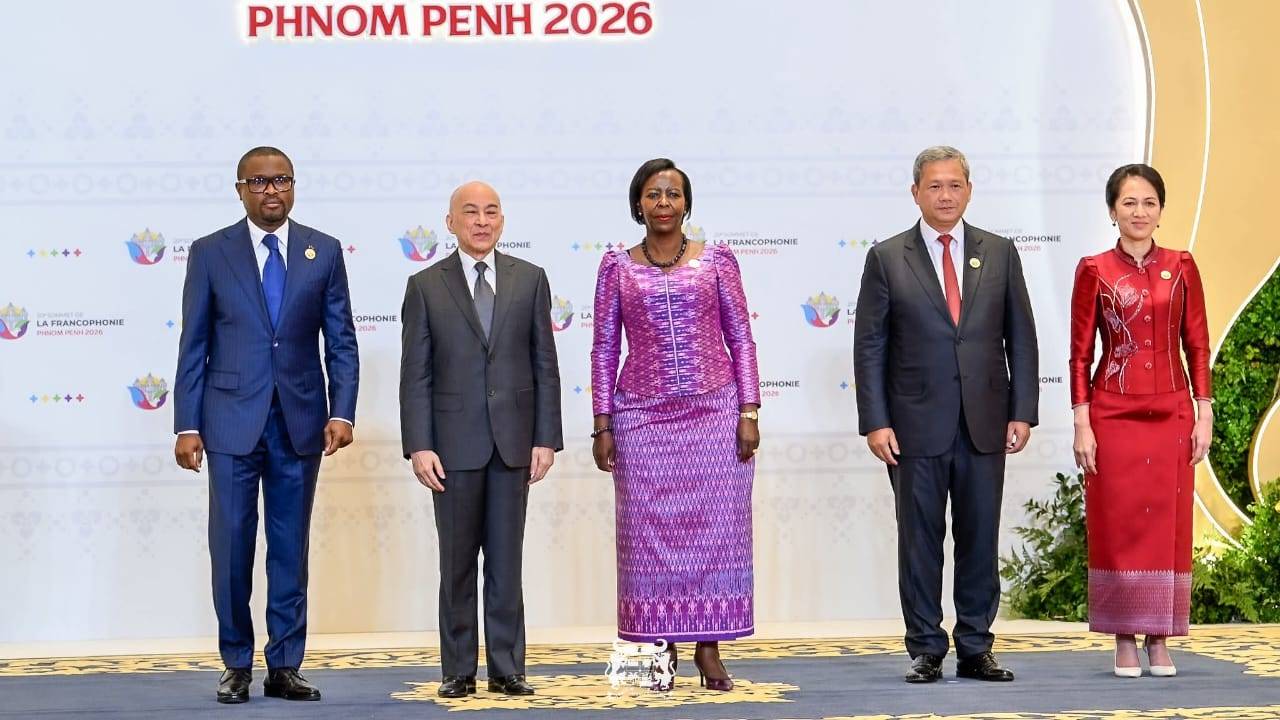
As global diplomacy faces shifting sands, the Benin has carved out a new position of influence within the International Organisation of La Francophonie. The country’s election to the vice-presidency of the Ministerial Conference of La Francophonie at the 48th session in Phnom Penh has ignited discussions over what lies ahead for West African representation within the organisation.
From Phnom Penh to the francophonie stage: a diplomatic milestone for Benin
During the 48th Ministerial Conference of La Francophonie held in November 2026, Benin was selected to assume the vice-presidency—a role that extends until the next ordinary session in 2027. This appointment solidifies the country’s voice in shaping decisions that influence the 88-member organisation’s agenda, particularly on matters of peace, stability, and multilateral cooperation.
The decision follows intensive negotiations in Phnom Penh, where foreign ministers from across the francophone world gathered under the theme “Reinvesting in Peace for Shared Prosperity and Sustainable Stability.” Alongside its new leadership position, Benin secured a promising path forward: the endorsement of its bid to host the 2027 Ministerial Conference—a move that could further elevate its diplomatic profile.
Foreign Minister Corinne Amori Brunet leads Benin’s francophone vision
Corinne Amori Brunet, Benin’s Minister of Foreign Affairs, represented the nation at the summit, underscoring the government’s commitment to strengthening ties within the francophone community. Her presence highlighted Benin’s strategic focus on political dialogue, institutional cooperation, and multilateral governance.
The conference focused on three core pillars: the Phnom Penh Declaration, a resolution on crisis management and post-conflict reconstruction, and the Phnom Penh Appeal for the protection of cultural heritage. These texts are expected to guide discussions at the 20th Francophonie Summit the following day, reinforcing the organisation’s role as a mediator in global peacebuilding efforts.
Global tensions and local stakes
With geopolitical fractures deepening and security challenges intensifying across Africa, the global francophone community is under pressure to adapt. The inclusion of Benin in a leadership role has drawn attention to its capacity to mediate between diverse francophone nations—from North Africa to Southeast Asia—and to champion stability in regions plagued by conflict.
Benin’s new position also raises questions about its future influence. Will it use this platform to push for greater economic integration among francophone African states? Or will it prioritise diplomatic cohesion in the face of rising non-francophone alliances?
What comes next? Benin’s roadmap in the francophonie spotlight
As Benin prepares to take the helm of the vice-presidency, observers are watching closely to see how it will shape the organisation’s priorities. With the 2027 Ministerial Conference potentially taking place in Cotonou, Benin’s capital, the stakes are high. Hosting such a high-profile event would not only boost national prestige but also strengthen Benin’s role as a regional leader in cultural and political diplomacy.
The vice-presidential mandate, which runs until 2027, offers Benin a rare opportunity to influence the OIF’s strategic direction for the 2027–2030 cycle. Questions remain: Can Benin bridge divides between Africa’s francophone and non-francophone blocs? Will it push for reforms that enhance the organisation’s relevance in a multipolar world?
Diplomatic breakthrough or symbolic win?
While the vice-presidency is widely seen as a victory for Benin’s diplomacy, sceptics question whether this role will translate into tangible outcomes. Some analysts argue that real power still resides with the OIF’s permanent secretariat and the largest member states. Others, however, view Benin’s elevation as a sign of shifting dynamics within the organisation, where smaller African nations are increasingly asserting their voices.
What is clear is that Benin’s diplomatic rise has fueled public debate across the francophone world. Supporters praise the move as a step toward greater African representation, while critics warn that bureaucratic inertia within the OIF may dilute any new initiatives. As 2027 approaches, all eyes will be on Benin—and on the organisation it now helps lead.