Benin’s rising influence in francophonie sparks debate on its future role
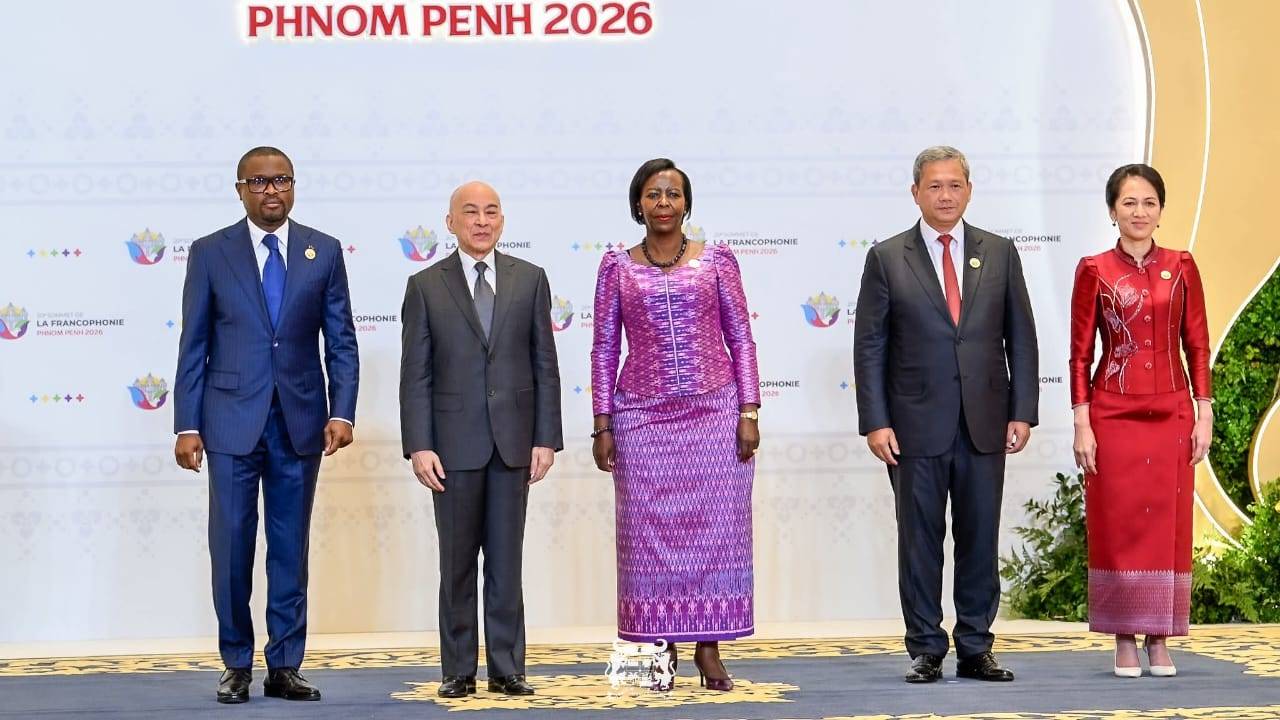
As global diplomacy faces shifting sands, the Benin has carved out a new position of influence within the International Organisation of La Francophonie. The country’s election to the vice-presidency of the Ministerial Conference of La Francophonie at the 48th session in Phnom Penh has ignited discussions over what lies ahead for West African representation within the organisation. From Phnom Penh to the francophonie stage: a diplomatic milestone for Benin During the 48th Ministerial Conference of La Francophonie held in November 2026, Benin was selected to assume the vice-presidency—a role that…

Read More

Why Cameroon’s missing heroes could weaken national unity

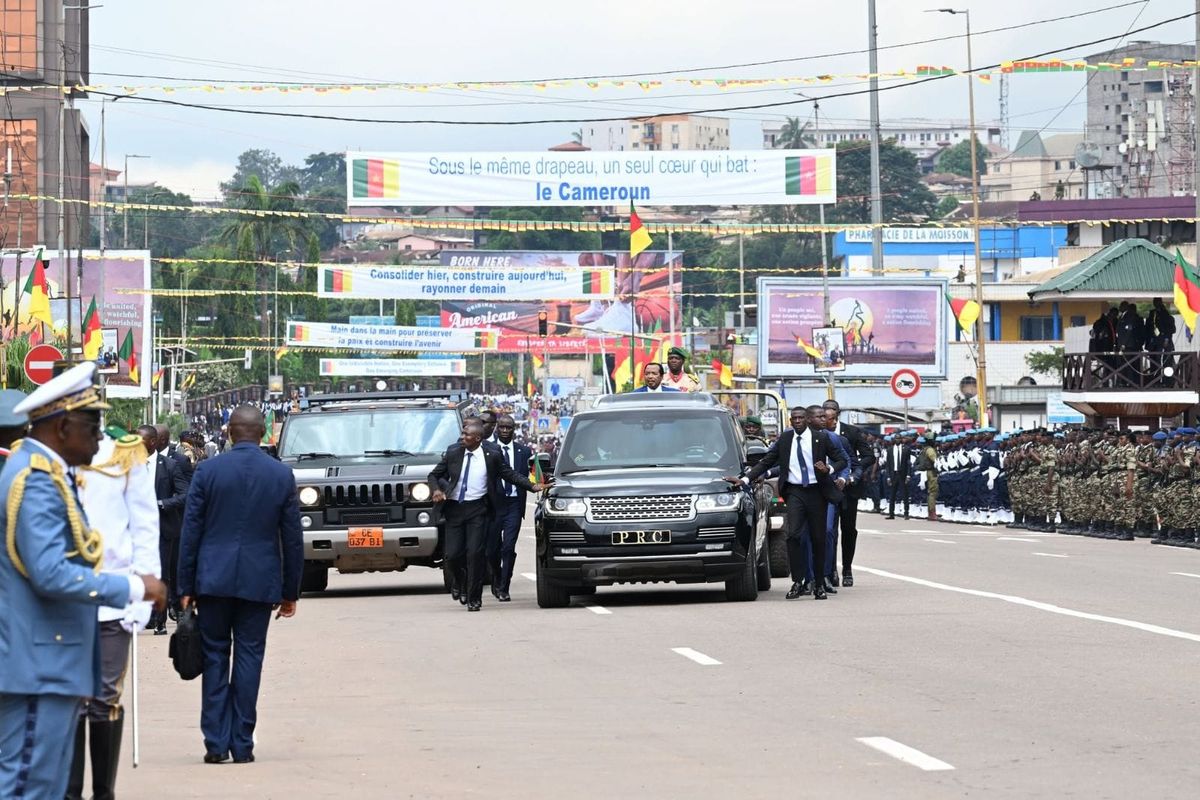
Behind the scenes of Cameroon’s national narrative lies an unspoken crisis. While patriots have shaped the country’s journey, their absence from public memory—lacking monuments, museums or steles—risks eroding the very foundation of national unity. Maurice Kamto, opposition leader and president of the Movement for the Renaissance of Cameroon (MRC), has raised the alarm, exposing a critical gap in how history is remembered and transmitted. Where are Cameroon’s heroes in the public space? Kamto points to a stark reality: despite the sacrifices of historical figures who fought for freedom and national…

Read More

Behind the ousting of Sonko: the unseen power play reshaping Senegal’s political landscape

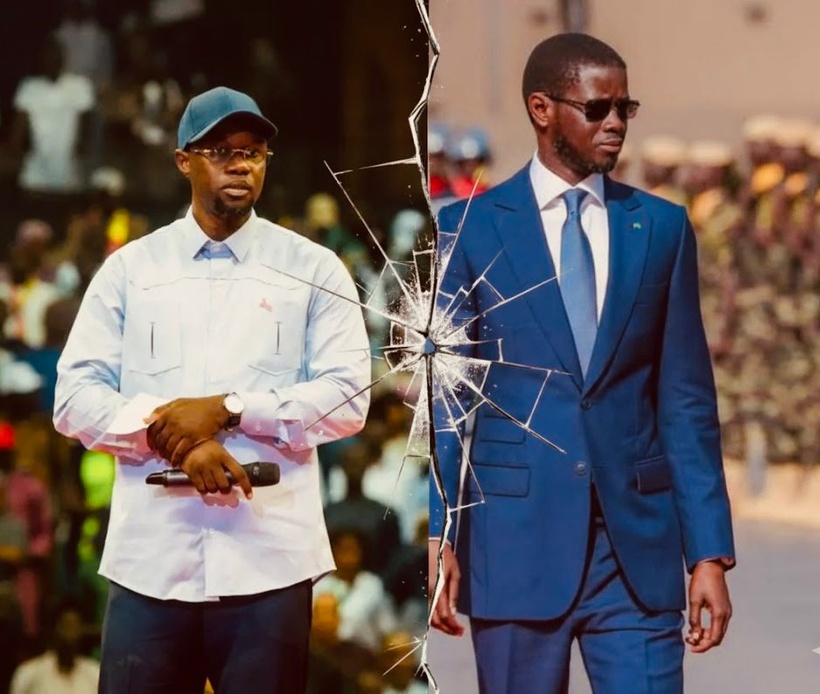
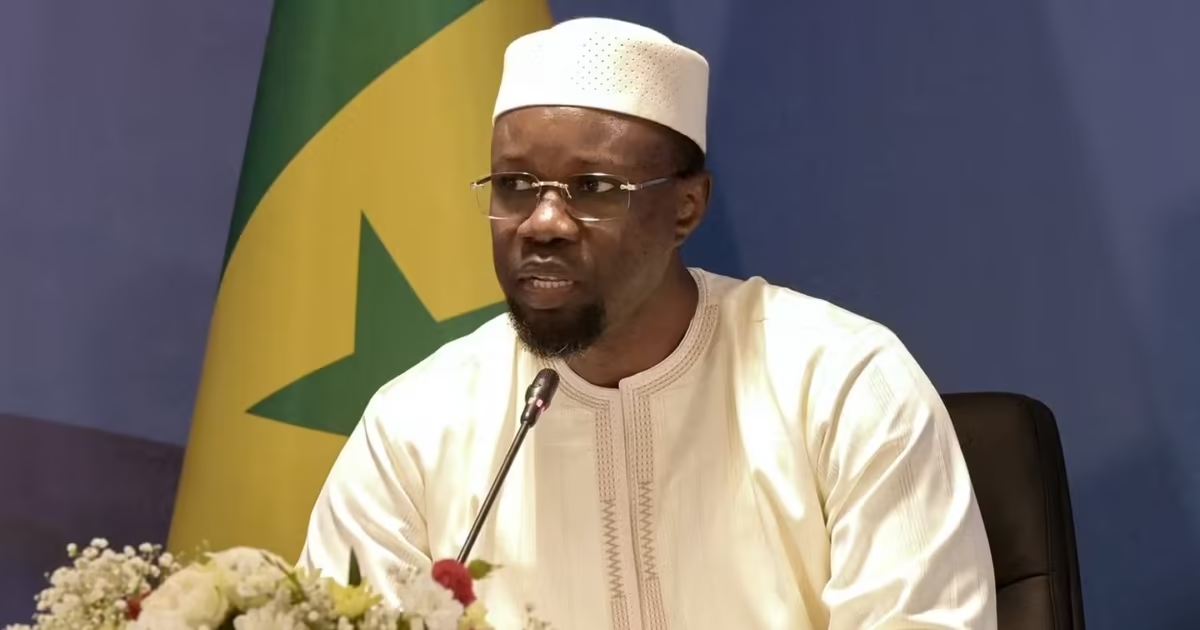
Senegal’s political divide grows as Sonko’s ousting exposes deeper fractures The sudden dismissal of Ousmane Sonko from his prime ministerial post has triggered an unprecedented political rupture in Senegal, revealing not just a leadership change but a fundamental shift in the balance of power. Since his removal, the former prime minister has declared a complete break from President Bassirou Diomaye Faye, denying any behind-the-scenes negotiations and labeling their political division irreversible. In a definitive statement released on social media, Sonko made it clear: “There has been no contact between us…

Read More

Gabon’s shifting power dynamics: when legal action meets digital dissent

Politics Gabon’s shifting power dynamics: when legal action meets digital dissent 37 No comment Libreville — The recent escalation between Minister Mays Lloyd Mouissi and digital rights activist Éric Otsetse reveals deeper tensions in Gabon’s evolving political landscape. Beyond personal grievances, this confrontation exposes the fault lines between state authority and citizen scrutiny in a digital age. The dispute reached a legal turning point on November 13, 2026, when an activist received an official summons at the behest of the Minister of Housing and Urban Planning. The document, served by…

Read More

Burkina Faso’s legal crackdown on exiles: a tool for justice or political suppression?

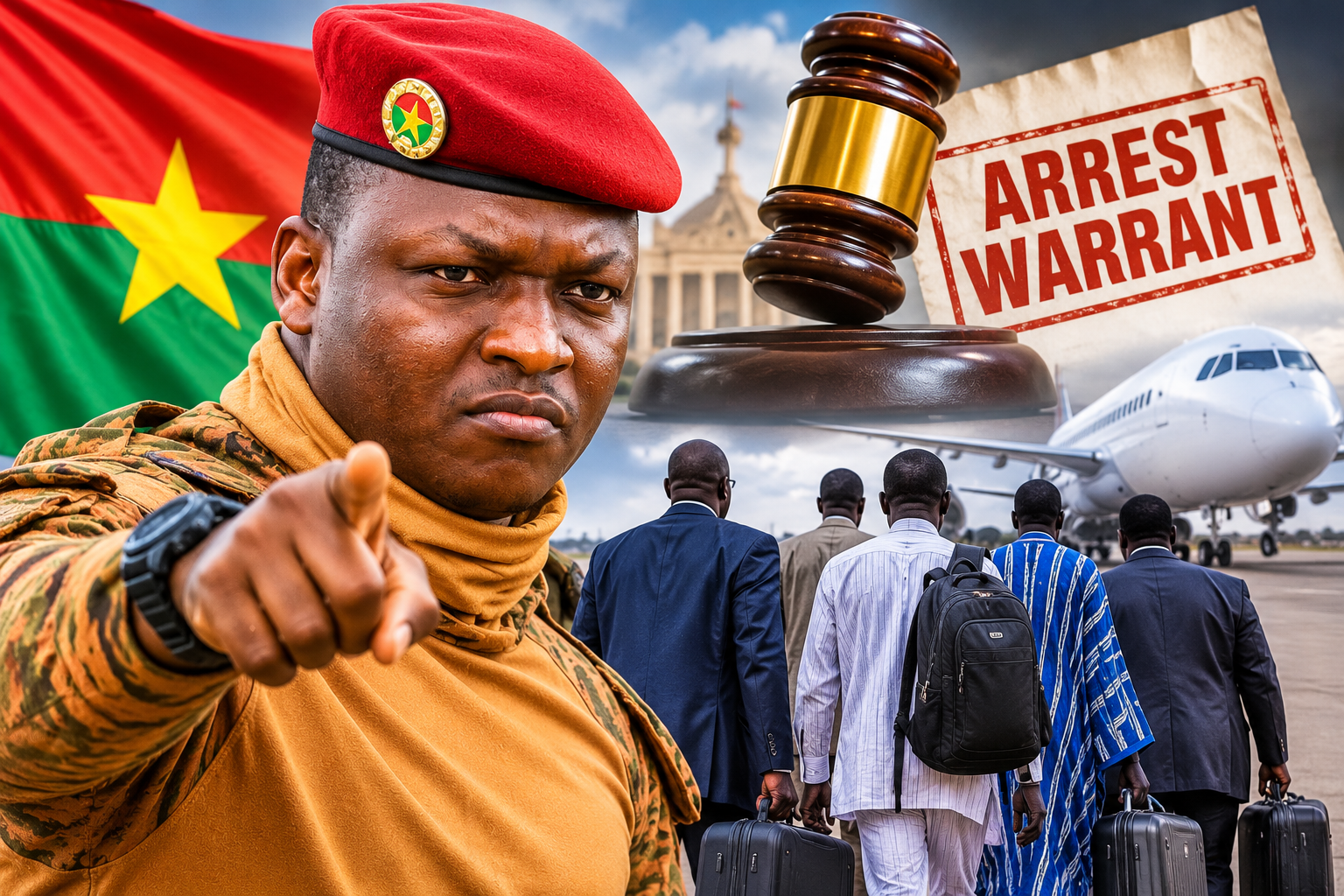
International legal pursuit sparks debate over transitional justice in Burkina Faso The judicial campaign against former Burkinabè officials, military leaders, and journalists now living abroad has intensified, raising serious questions about the motives behind Burkina Faso’s transitional authorities. While exile was once seen as a safeguard against political persecution, recent legal maneuvers including arrest warrants, prosecutions, and extradition requests suggest that the pursuit of these individuals extends far beyond national borders. The unfolding developments have ignited a contentious debate: Is this a legitimate pursuit of justice, or an attempt to…

Read More

Behind the surge in Ousmane Sonko’s strategic meetings at Pastef: uncovering the hidden dynamics

The surge in Ousmane Sonko’s behind-closed-doors gatherings at Pastef has sparked intense speculation. What’s driving this sudden wave of strategic meetings across the party’s leadership? Former Senegalese Prime Minister Ousmane Sonko is set to hold a pivotal meeting this Saturday with key figures within the Pastef party. The planned gathering includes members of the Political Bureau, former directors-general, former board presidents, and former special envoys. This follows a virtual session the previous Friday with the party’s diaspora coordinators. Sonko’s concerted outreach underscores a deliberate effort to consolidate support across multiple…

Read More

Burkina Faso’s terror charges against Damiba spark diplomatic fallout and legal uncertainty

The legal pressure on Paul-Henri Sandaogo Damiba in Burkina Faso has intensified, thrusting the former transitional president into a high-stakes terrorism case. The accusations ranging from complicity in terrorist associations to illegal arms possession and terror financing have escalated tensions between Ouagadougou and Lomé, raising urgent questions about the fairness and future of his prosecution. From exile to extradition: Damiba’s controversial transfer under scrutiny After fleeing to Lomé in the wake of his ouster in September 2022, Damiba became the subject of an extradition request by Burkinabè authorities. Despite Togo’s…

Read More

International outrage grows over journalist Moussa Kaka’s disputed detention in Niger

The detention of prominent Nigerien journalist Moussa Kaka has escalated into a flashpoint for international concern, raising urgent questions about the state of press freedom and human rights under the military administration of General Abdourahamane Tiani. Kaka’s sudden disappearance on August 31, 2026, following his exit from media offices, touched off immediate speculation about his whereabouts. While authorities later confirmed his custody on October 6, the revelation did little to quell alarm about the circumstances surrounding his detention or the legal grounds for his continued imprisonment. Demands for transparency intensify…

Read More

Cameroon’s power vacuum: who really holds the reins without Paul Biya?

The silent power struggle behind Cameroon’s presidency Cameroon stands at a precarious crossroads as President Paul Biya, now 93 and in power since 1982, faces prolonged absences from public life. This leadership vacuum isn’t just administrative—it’s exposing deep institutional fractures within the country’s political architecture. Despite constitutional provisions allowing delegation of authority to key officials like Presidential Secretary Ferdinand Ngoh Ngoh, the real levers of control remain dangerously obscured. The constitutional loophole that deepens the crisis The Cameroonian constitution was amended in April 2026 to reinstate the vice-presidency position, yet…

Read More

Understanding the approval of DRC’s public sector wage policy: what comes next?

Kinshasa, November 11, 2026 — The journey to a fairer wage structure for public servants in the Democratic Republic of the Congo (DRC) took a critical step forward this week as union delegates validated a landmark agreement with the government. But how did this compromise emerge, and what challenges lie ahead in turning these promises into reality? Behind the scenes of the wage reform agreement The validation of the wage policy accord by the National Inter-Union of Public Administration (Inap) representatives was not a spontaneous decision. Delegates from across the…

Read More

Cameroon’s political landscape shifts with passing of Hamadou Moustapha at 81

How Hamadou Moustapha’s career mirrors Cameroon’s political evolution A towering figure in Cameroon’s political arena for nearly six decades, Hamadou Moustapha passed away on November 11, 2026, at the age of 81 in Yaoundé. His death brings to a close a remarkable career that spanned critical transitions in the nation’s governance and elite power structures. Moustapha’s death marks the end of an era in which his life’s work became intertwined with the country’s modern political history. The making of a bureaucratic and political operator (1970s–1980s) Born on May 11, 1945,…

Read More

Behind the scenes: why Democratic Republic of Congo’s former PPRD leader Aubin Minaku was placed under house arrest

In an unexpected turn of events, Aubin Minaku, once the influential deputy leader of the People’s Party for Reconstruction and Democracy (PPRD), has been placed under house arrest in Kinshasa. While authorities have not disclosed the official reasons, insiders suggest the move stems from long-simmering internal party tensions and strategic realignments within the DRC’s political landscape. The decision has sent ripples through Kinshasa’s political circles, raising questions about the future of the PPRD and its broader impact on RDC politics. What triggered this drastic measure, and what does it signal…

Read More