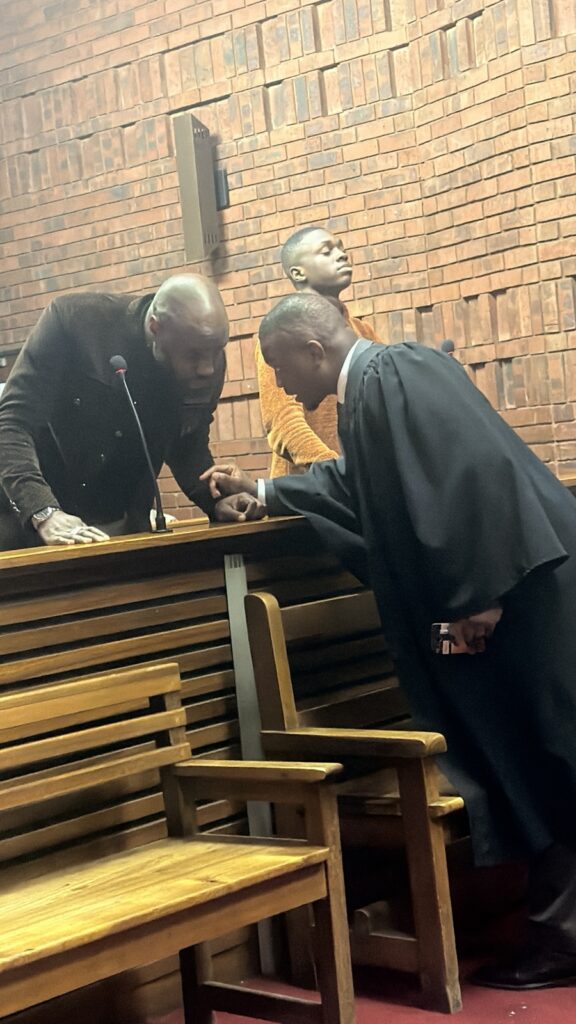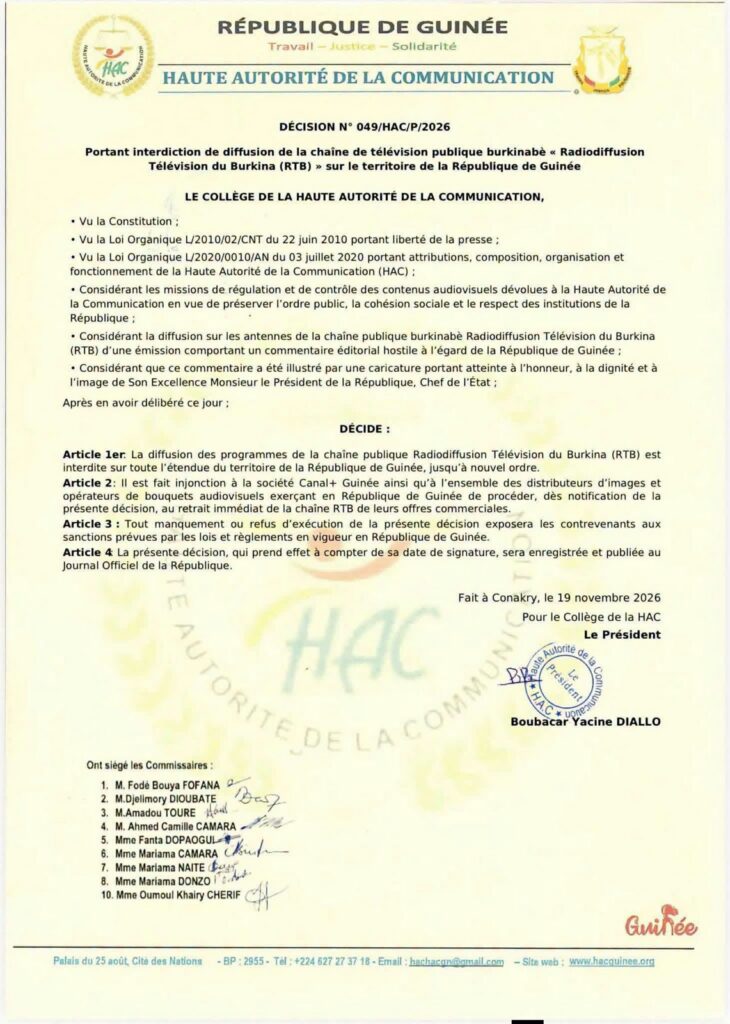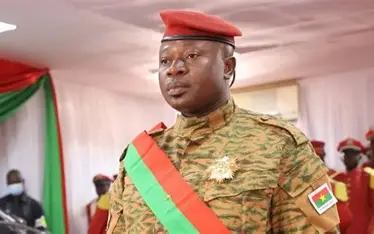
The legal pressure on Paul-Henri Sandaogo Damiba in Burkina Faso has intensified, thrusting the former transitional president into a high-stakes terrorism case. The accusations ranging from complicity in terrorist associations to illegal arms possession and terror financing have escalated tensions between Ouagadougou and Lomé, raising urgent questions about the fairness and future of his prosecution.
From exile to extradition: Damiba’s controversial transfer under scrutiny
After fleeing to Lomé in the wake of his ouster in September 2022, Damiba became the subject of an extradition request by Burkinabè authorities. Despite Togo’s assurances of safety and judicial guarantees, the transfer in January 2026 placed him under the jurisdiction of the military leadership that had previously removed him from power. The diplomatic decision, while framed as routine cooperation, now faces intense scrutiny amid evolving legal and political dynamics.
Peine de mort reintroduced: a game-changer in Damiba’s trial prospects
A new criminal code adopted in October 2026 reintroduced the death penalty for terrorism-related offenses precisely the charges levied against Damiba. While no verdict has been reached, the legal framework now raises critical concerns. Will Burkinabè authorities uphold their pre-extradition commitments, or will political motives overshadow due process? The principle of non-retroactivity and the timing of the alleged offenses further complicate the judicial landscape.
Diplomatic stakes: Togo’s role in the aftermath of extradition
Lomé’s decision to extradite Damiba was contingent on strict safeguards, including a pledge not to impose capital punishment. With the death penalty reinstated, the question looms: Can Faure Gnassingbé’s government ensure these guarantees are honored? Failure to do so risks undermining trust in regional judicial cooperation and exposing a rift between the two nations’ commitments and actions.
Political shadows over a legal battle
The backdrop of Damiba’s ousting by Ibrahim Traoré in 2022 adds another layer of complexity. The military’s involvement in both transitions has fueled accusations of politicized justice. For Damiba’s defense to be credible, the trial must demonstrate impartiality, with transparent evidence and no interference from political actors. The stakes extend beyond his fate they test the integrity of Burkina Faso’s judiciary and its ability to separate justice from vendetta.
What’s next for regional judicial cooperation?
This case forces a reckoning with the reliability of extradition agreements across West Africa. If guarantees given before transfers are discarded due to legislative changes or political shifts, the credibility of cross-border justice collapses. The world is watching: Can Burkina Faso and Togo navigate this crisis without eroding trust in their institutions? The answer may redefine the boundaries of state accountability in the region.
By Ousmane Tandja — Journalist