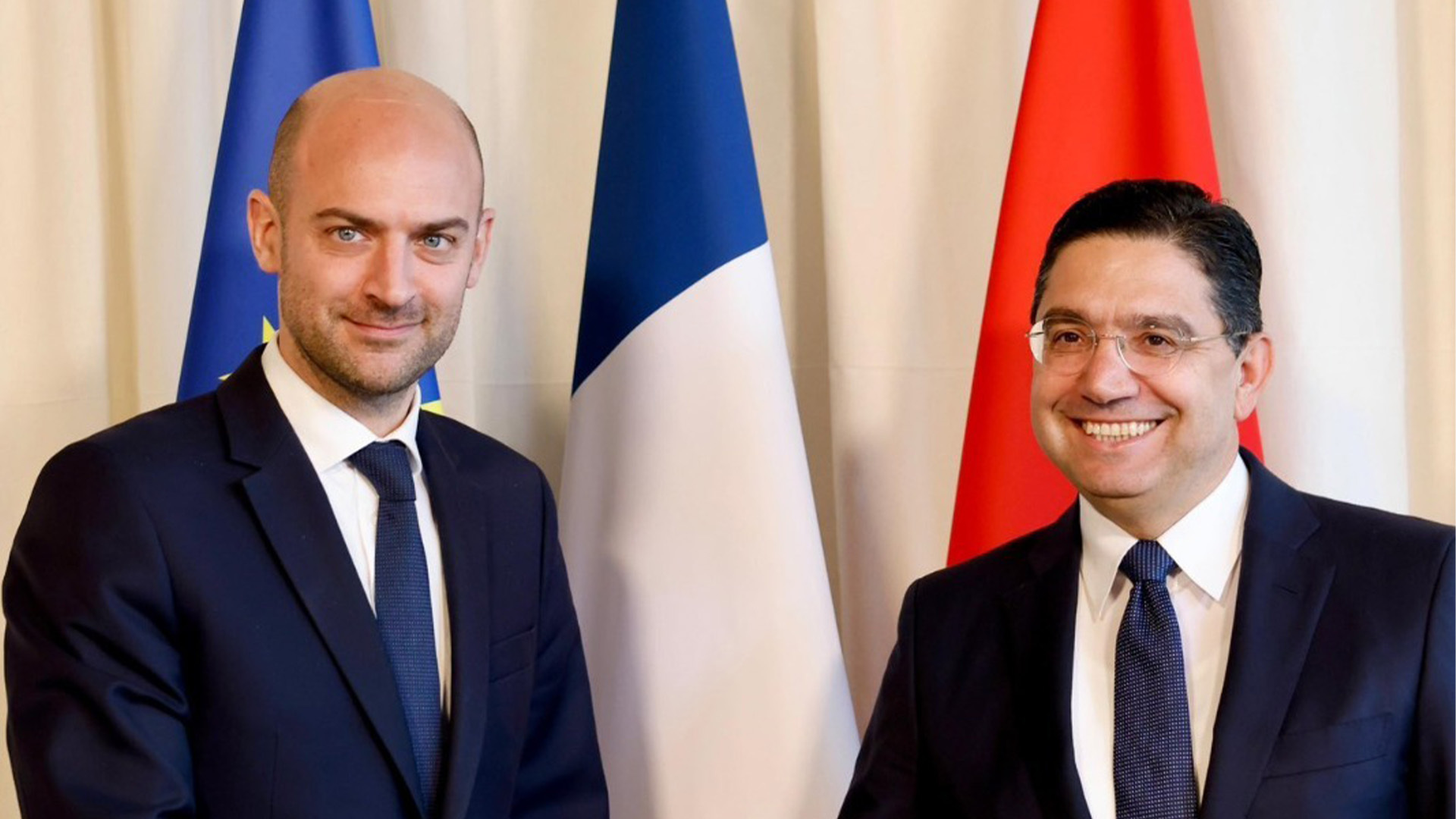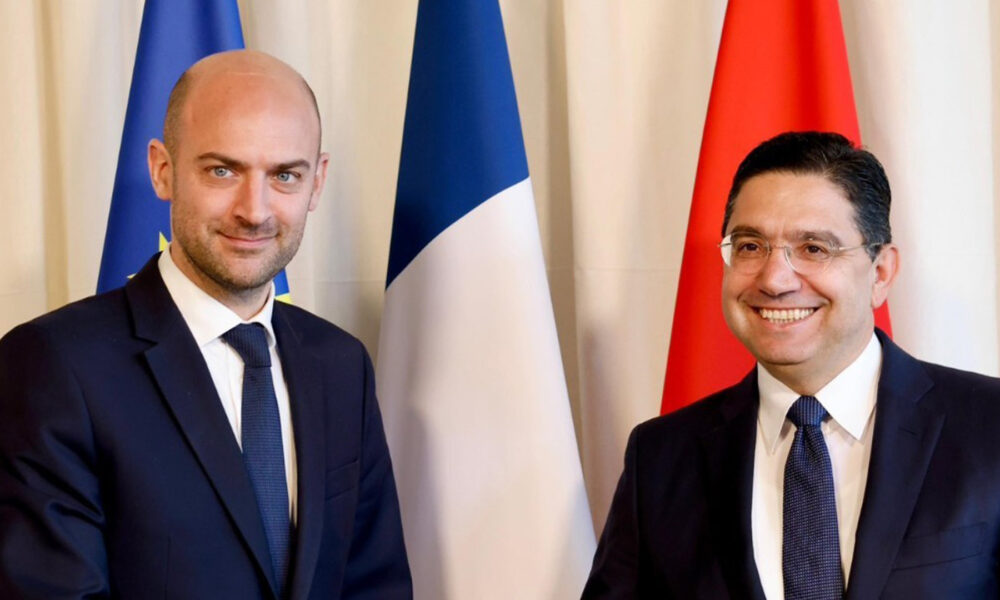
The high-stakes meeting in Essaouira wasn’t just another diplomatic handshake. Behind the formal smiles and exchanged pleasantries lay a deeper examination of the forces shaping Morocco-France relations today. Nasser Bourita and Jean-Noël Barrot didn’t just affirm cooperation—they dissected the invisible currents that push and pull their nations’ partnership forward.
Beyond the photo opportunity: uncovering the real agenda
The talks in Essaouira weren’t staged for public optics. Both foreign ministers came with specific institutional mandates: Bourita to advance Morocco’s strategic autonomy agenda, Barrot to reinforce France’s repositioning in North Africa. Their convergence on regional stability and economic integration wasn’t happenstance—it was the result of months of quiet negotiation.
The “exceptional enhanced partnership” announced in October 2024 had set the framework, but Essaouira became the arena where mutual expectations were tested. Bourita’s emphasis on trust and Barrot’s reaffirmation of France’s stance on Western Sahara weren’t rhetorical flourishes; they were calculated moves in a longer game.
Why Essaouira? tracing the strategic logic
The choice of Essaouira as the backdrop for these discussions carried deliberate symbolism. Positioned on Morocco’s Atlantic coast, the city represents a bridge between continents and cultures—mirroring the dual identity Moroccan diplomacy aims to project. But the location went beyond symbolism. With Sahel security concerns intensifying, Essaouira also offered a neutral ground away from the noise of Rabat and Paris, allowing negotiators to focus on shared threats like cross-border trafficking and Islamist militancy.
The unsung engine: what’s really holding the alliance together
Behind the joint communiqués and press releases lies a network of institutional connections that make this partnership resilient. Joint investment funds, dual-country business councils, and academic exchange programs have quietly woven France and Morocco into each other’s economic and social fabric. These aren’t abstract concepts—they’re the concrete pillars supporting Bourita and Barrot’s claim that their countries are moving beyond traditional alliances.
Moreover, the cultural ties—diaspora networks, language schools, and media collaborations—function as silent ambassadors, maintaining momentum even when political headlines grow stormy. These behind-the-scenes dynamics explain why the partnership hasn’t buckled under geopolitical pressure.
Economic stakes: the numbers behind the narrative
While diplomacy steals headlines, trade volumes tell the unspoken story. France remains Morocco’s second-largest trading partner, with bilateral exchanges exceeding €8 billion annually. But the real growth driver is French investment in Morocco’s renewable energy and automotive sectors, now employing over 150,000 Moroccans. These economic stakes aren’t just corporate interests—they’re the bedrock of political stability between the two capitals.
Barrot’s endorsement of Morocco’s autonomy plan for Western Sahara aligns with this economic reality. France’s positioning isn’t an act of charity; it’s a calculation that Morocco’s stability serves Paris’s commercial and security interests in North Africa.
Sahel security: the silent allegiance shaping the alliance
Less visible but no less critical is the shared battle against regional instability. With jihadist factions gaining ground across the Sahel, Morocco and France have quietly coordinated their approaches—training Moroccan troops, intelligence-sharing, and border security cooperation. These efforts don’t grab headlines, but they’re the glue holding the broader partnership together.
Bourita and Barrot’s convergence on Middle East peace and their joint push for a two-state solution reflect this broader alignment. Their cooperation isn’t limited to abstract ideals; it’s forged in the fires of real-world crisis management.
What’s next? decoding the roadmap ahead
The Essaouira meeting wasn’t just an endpoint—it was a midpoint. Both ministers mapped out a phased approach: immediate wins in energy cooperation, mid-term milestones in security coordination, and long-term institutional integration.
Crucially, they acknowledged that public diplomacy can only achieve so much. The next phase depends on less glamorous work: bureaucratic reforms, regulatory harmonization, and grassroots connectivity. These are the unsexy details that will determine whether the Morocco-France alliance becomes a lasting model or just another fleeting partnership.
The ministers’ commitment to “deepen and broaden” ties sounds like diplomatic boilerplate—but in this case, it carries unusual weight. The invisible scaffolding of institutional ties, economic interest, and security imperatives makes this partnership different from the usual diplomatic gestures. Behind the scenes in Essaouira, the architects of Morocco-France relations weren’t just talking. They were building.