Regional fallout intensifies as Iranian strikes target American facilities
The already volatile relationship between Iran and the United States has taken a dramatic turn in the Persian Gulf, with Iranian forces launching strikes on critical military infrastructure hosting American personnel in Bahrain and Kuwait. The escalation has ignited fierce public debate over what comes next, with regional security now hanging in the balance as the prospect of broader conflict looms.
Military sites caught in the crossfire
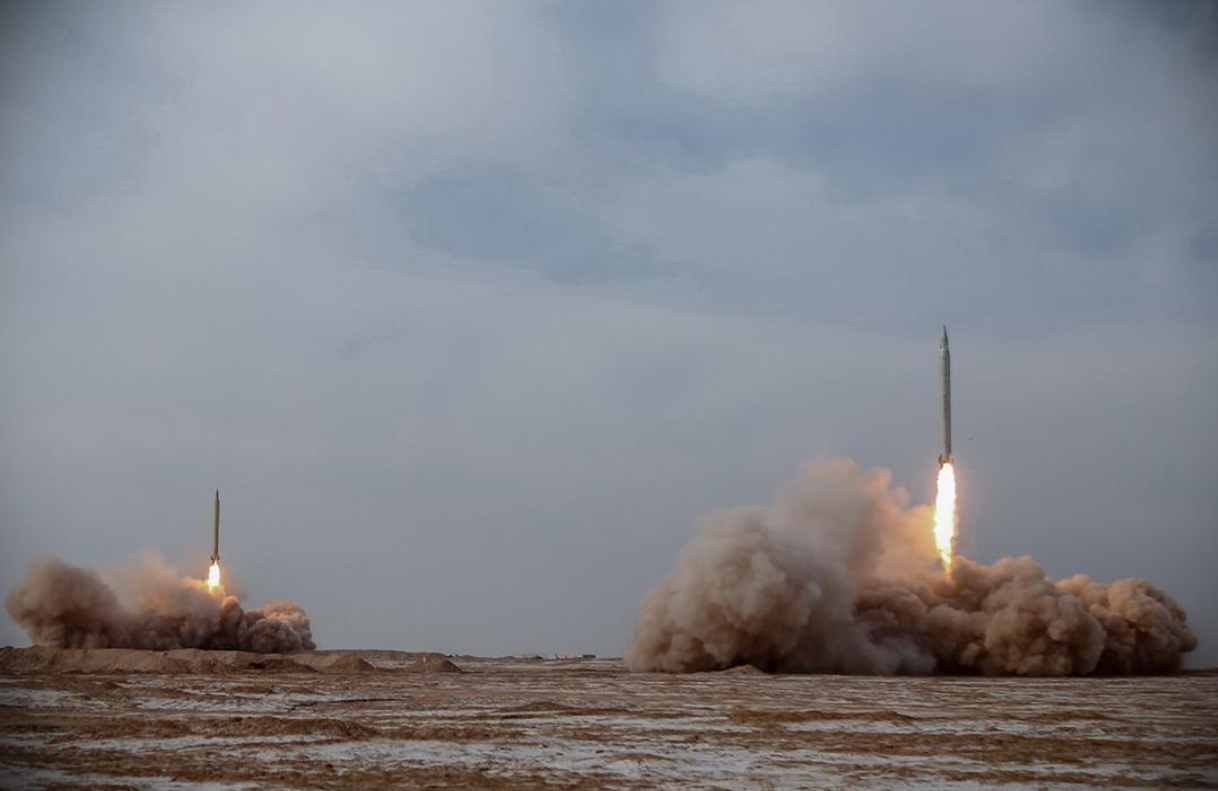
The most visible impact of this latest confrontation has been felt at the Ali Al Salem Air Base in Kuwait, a key logistics and operational hub for U.S. forces in the Middle East. Iranian strikes targeted this facility, raising immediate concerns about regional stability and the potential for further retaliation.
In Bahrain, home to the U.S. Fifth Fleet headquarters, the situation remains equally tense. While authorities confirmed intercepting multiple aerial threats, questions persist about the extent of the damage and whether the fleet’s command center was directly compromised. Social media reports suggesting a devastating attack on the headquarters remain unverified, underscoring the uncertainty surrounding these events.
Defense systems under pressure
Both countries have scrambled to protect their airspace. Kuwaiti officials reported successful interceptions of hostile drones, though details about the damage inflicted by these attacks remain scarce. Bahrain’s military infrastructure, including radar systems at the Sheikh Isa base, also came under fire, further straining regional security frameworks.
Geopolitical stakes reach new heights
The escalation is the latest chapter in a broader standoff involving Washington, Tehran, and their regional allies. Each strike and counter-strike has amplified the risk of miscalculation, with the potential for unintended consequences growing with every passing hour. A single incident resulting in significant American casualties could trigger a decisive military response from the U.S., further destabilizing an already fragile region.
For Gulf nations, the dilemma is stark: maintaining strategic partnerships with Washington while avoiding direct involvement in a conflict that could engulf the entire region. The dual pressures of geopolitical alignment and self-preservation have never been more acute.
Economic tremors ripple across global markets
The Strait of Hormuz, a chokepoint for global energy supplies, has once again become a flashpoint. Over a third of the world’s seaborne oil passes through these waters, and any prolonged disruption could send shockwaves through international markets. The specter of rising fuel prices and supply chain disruptions has intensified fears of a broader economic crisis, transforming a regional military confrontation into a potential global concern.
Commercial shipping and energy infrastructure remain acutely vulnerable, with recent incidents raising alarms about the fragility of regional stability. The stakes extend far beyond military posturing—they touch the very foundations of the global economy.
Diplomatic deadlock deepens amid military posturing
As the rhetoric grows sharper and military actions intensify, diplomatic channels face an uphill battle. Countries like Oman and Qatar, which have historically mediated between Iran and the West, now find their influence diminished by the sheer scale of the current crisis. The cycle of retaliation shows no signs of abating, and trust between the involved parties continues to erode.
The U.S. priority remains the protection of its personnel and assets in the Gulf, while Iran’s leadership frames its actions as a necessary deterrent against perceived aggression. The coming days will be critical in determining whether this spiral of violence can be contained—or if the Persian Gulf is on the brink of a new, more destructive phase of conflict.