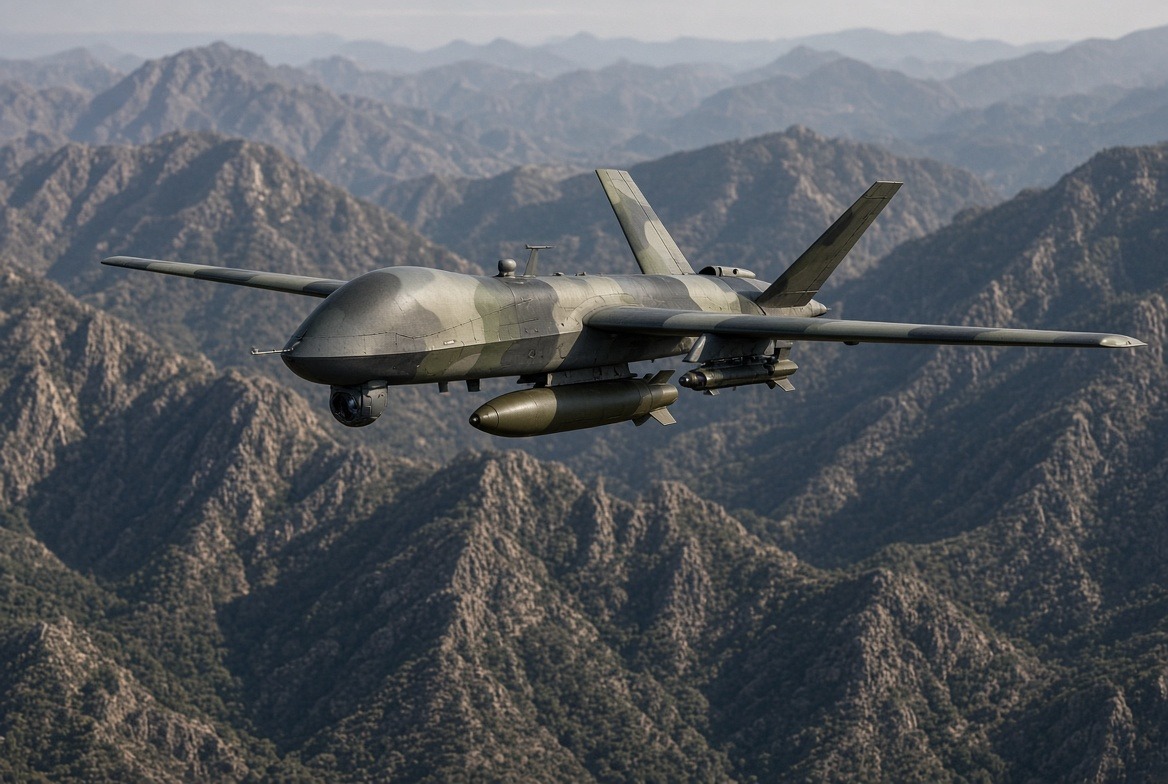
The brutal conflict tearing apart Sudan has reached a new level of devastation, with drone strikes emerging as the deadliest weapon in the arsenal of warring factions. Official reports confirm that more than 1,630 civilians were killed in drone attacks between January and October 2026, accounting for nearly 75% of all civilian casualties documented during the period.
From terror tactics to systemic displacement: the widening scope of drone warfare
The United Nations has documented a deliberate campaign targeting Sudan’s vital infrastructure, turning everyday life into a battlefield. Investigators have identified a pattern of strikes against civilian hubs, including:
- Frequent attacks on bustling marketplaces, where families gather for basic necessities;
- Indiscriminate strikes on civilian vehicles, healthcare facilities, and schools;
- Repeated bombings of fuel depots, power stations, and water access points, cutting off life-saving services such as dialysis treatment and clean drinking water.
The impact has been catastrophic, with entire communities cut off from essential resources and subjected to relentless psychological terror from above. Aid workers describe scenes of despair as civilians flee urban centers, only to find no safe haven in the countryside.
Kordofan and Darfur bear the brunt of Sudan’s aerial assault
The regions of Kordofan and Darfur have suffered disproportionately, bearing the heaviest toll of this escalating drone war. While the conflict’s early battles centered on Khartoum, the use of unmanned aerial vehicles has shifted the violence to civilian-populated areas, turning homes, hospitals, and schools into potential targets. More than two-thirds of documented civilian deaths have occurred in Kordofan alone, a stark indicator of the indiscriminate nature of these attacks.
International human rights observers warn that these strikes violate fundamental laws of warfare, with the UN High Commissioner for Human Rights condemning the actions as potential war crimes. The systematic targeting of non-combatants and critical infrastructure raises urgent questions about accountability and the role of external arms suppliers fueling the conflict.
How did Sudan’s fragile peace unravel into a drone-driven catastrophe?
The spark: revolution and betrayal (2019–2021)
The roots of today’s drone war stretch back to the fall of Omar al-Bashir in 2019, when a popular uprising forced the longtime dictator from power. The transition to civilian rule, however, was short-lived. A fragile power-sharing agreement collapsed in October 2021 when the military, led by General Abdel Fattah al-Burhan, and the paramilitary Rapid Support Forces (RSF), commanded by Mohamed Hamdane Daglo (