Tensions escalate as Niger’s junta accuses France of backing Niamey airport attack
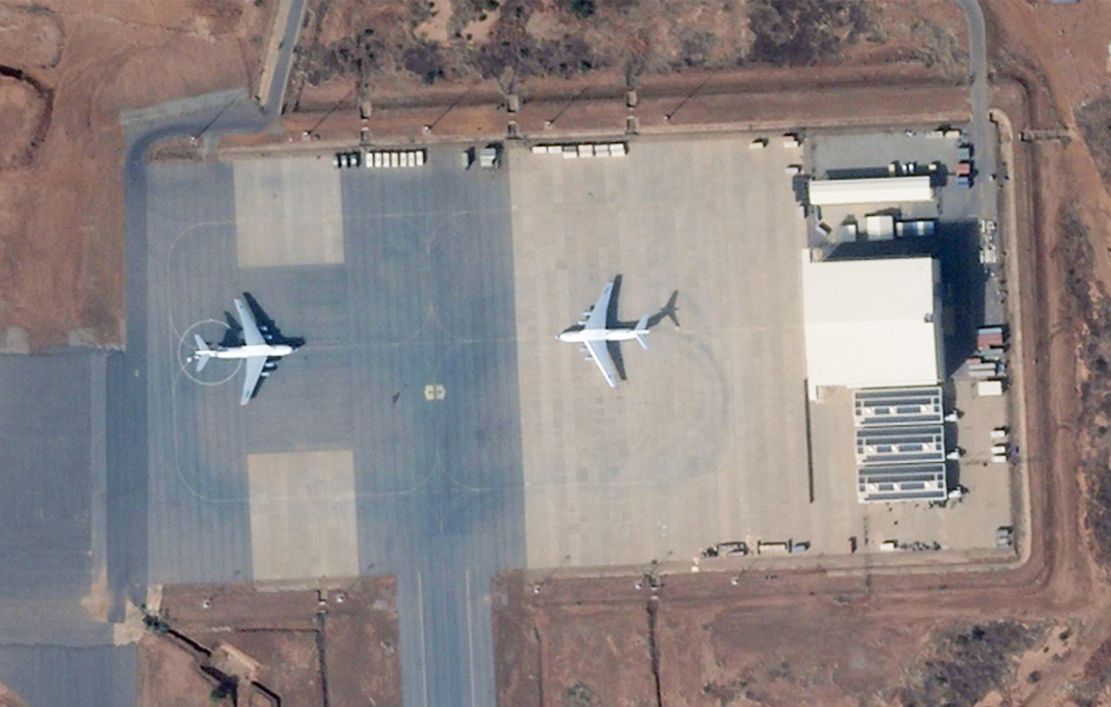
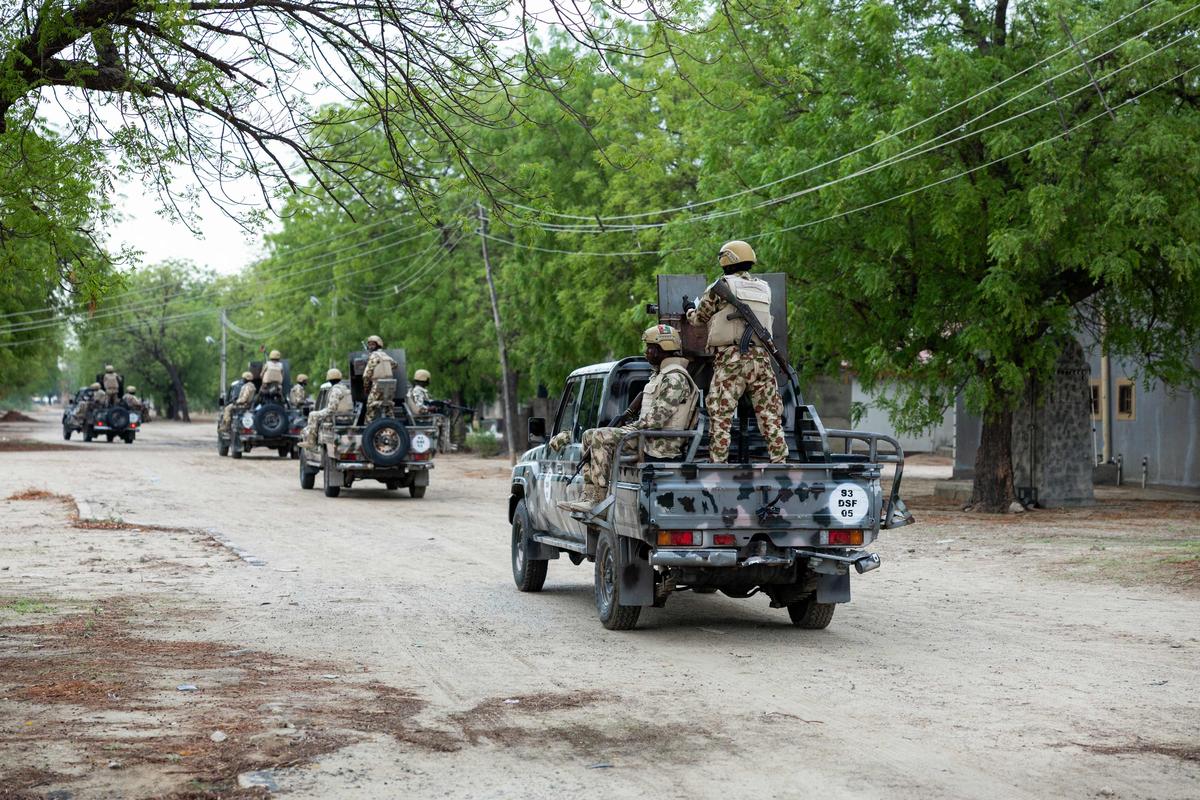
The relationship with Niger’s military junta, which seized control in 2023, is showing no signs of improvement. Following an attack on the airport in Niamey, the junta’s leader has lauded Russia for its military assistance while directly accusing the presidents of France, Bénin, and Côte d’Ivoire of being the “sponsors” of the assailants. According to the junta’s statement, the incident resulted in injuries to four soldiers, while twenty attackers, including an individual identified as “a Frenchman,” were killed and others were apprehended. The events unfolded during the night between Wednesday…

Read More

Niger faces intense gunfire and explosions near Niamey airport

Intense gunfire and explosions erupted in the early hours of Thursday near Niamey’s main international airport, as reported by a Reuters journalist. According to the correspondent, the gunfire—which began roughly an hour earlier—was still ongoing at 00:12 GMT. A video shared on the social platform X captured the capital’s skyline illuminated by flashes of gunfire. However, Reuters could not independently verify the authenticity of the footage. A spokesperson for Niger’s military government, which seized power in 2023 following a coup, could not be reached for immediate comment. Like its neighbors…

Read More

Nigeria: an overlooked humanitarian emergency fueled by indiscriminate violence

Recent waves of school abductions, village raids, and attacks on both churches and mosques have once again thrust Nigeria into the global spotlight. This cycle of brutality reached a new geopolitical peak when the United States conducted Christmas Day airstrikes against jihadist strongholds in the north, a move Washington described as an effort to defend vulnerable Christian populations. In this high-stakes environment, some American officials have begun using the term “Christian genocide” to describe the situation. However, the United Nations suggests that these high-profile incidents and the narratives surrounding them…

Read More

Challenges of free movement for AES countries after CEDEAO exit

challenges of free movement for AES countries after CEDEAO exit The withdrawal of Mali, Burkina Faso, and Niger from the Economic Community of West African States (ECOWAS)—intended as a move toward greater sovereignty—has created significant hurdles for free movement of people and goods within the Alliance of Sahel States (AES). Travel documentation, such as passports, national IDs, and driver’s licenses, has become a major obstacle for citizens of the AES seeking to move within the broader ECOWAS region. Even among AES member states, challenges persist in ensuring smooth cross-border travel.…

Read More

Burkina Faso leads UEMOA health budgets with 11% public spending in 2026

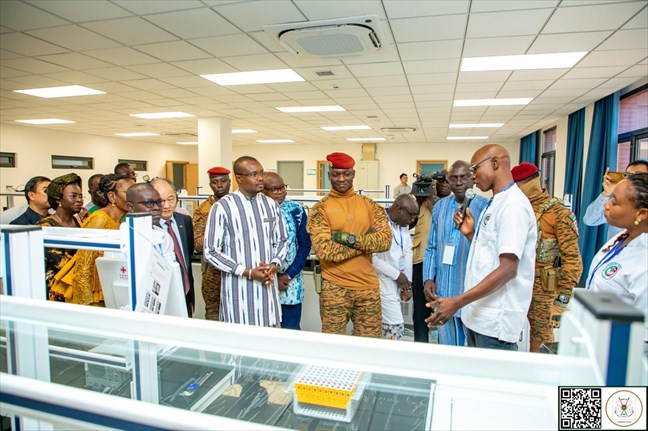
In the West African Economic and Monetary Union (UEMOA), one nation is setting a bold precedent. By 2026, Burkina Faso will allocate 11% of its national budget—a total of 388 billion CFA francs—toward healthcare, out of a projected expenditure of 3,432 billion CFA francs. This allocation surpasses regional averages and marks a significant step toward strengthening public health infrastructure in the country. The 11% threshold places Ouagadougou ahead of its UEMOA counterparts, demonstrating a clear commitment to improving healthcare access and quality. While still falling short of international benchmarks, this…

Read More

Enhancing healthcare systems in fragile Sahel communities: key achievements

transforming healthcare in the Sahel: key achievements (2018-2024) Between 2018 and 2024, significant milestones were reached in bolstering health systems within vulnerable communities across the Sahel region. Here are the remarkable outcomes: Expanded and Enhanced Health Services: In Mali and Mauritania, fundamental healthcare access was extended to over 5 million individuals, with women comprising half of the beneficiaries. This significantly surpassed the initial target of 3.65 million people. Health facilities in designated areas across both nations saw a substantial boost in care quality, attributed to upgraded equipment, enhanced staff training,…

Read More

US maintains security ties with west african junta-led states

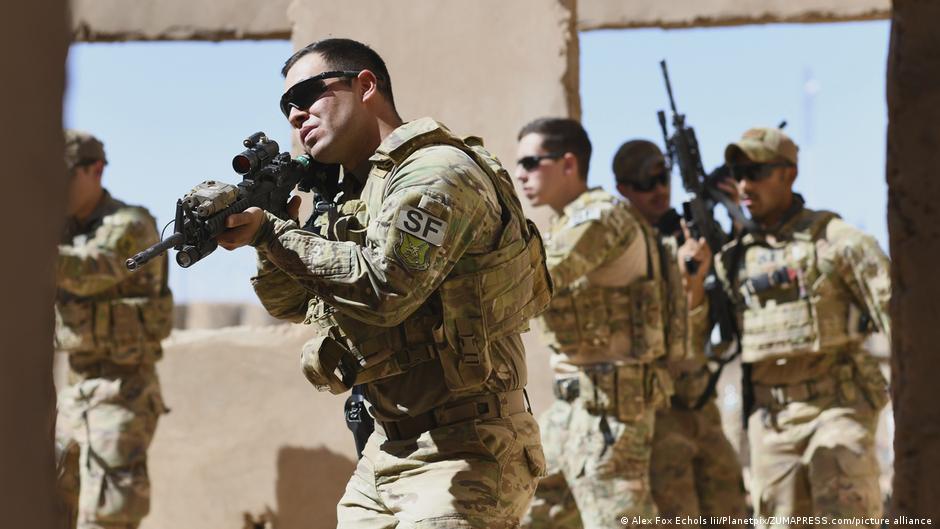
The United States continues to engage in security cooperation with the military-led governments of Burkina Faso, Mali, and Niger—nations governed by juntas that came to power through coups. This strategic alignment was confirmed by General John Brennan, Deputy Commander of U.S. Africa Command (AFRICOM). “We are still collaborating. In fact, we have shared intelligence with some of these governments to target key terrorist cells, though the landscape has shifted dramatically compared to just two or three years ago”, Brennan stated. “Our goal is to work with them to clarify our…

Read More

Vaccin r21/matrix-m transforms malaria prevention in Mali

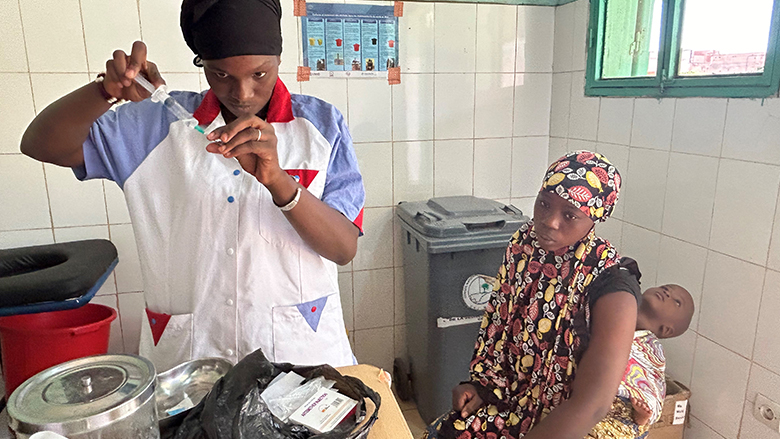
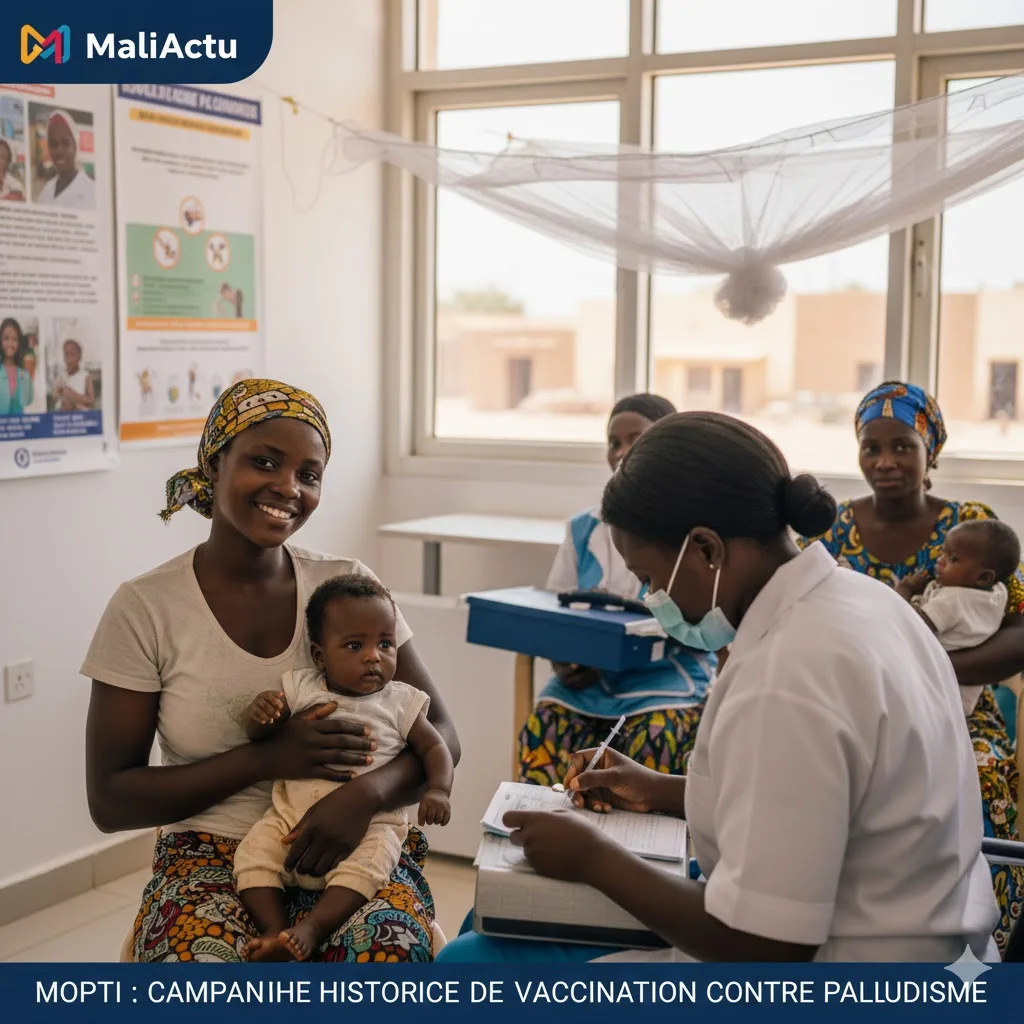
The Republic of Mali is making significant strides in its fight against malaria with the introduction of the R21/Matrix-M vaccine, endorsed by the World Health Organization (WHO). In the regions of Kayes and Mopti, health authorities are implementing an innovative hybrid vaccination strategy that combines precise timing with targeted delivery to shield thousands of Malian children from this deadly disease. Under the guidance of the WHO, Gavi, and UNICEF, Mali has integrated the R21/Matrix-M malaria vaccine into its Expanded Programme on Immunization (EPI). This groundbreaking initiative focuses on 19 high-risk…

Read More

Deadly jihadist assault leaves 31 civilians dead in western Niger

Tragic strike in Bosiye: 31 civilians killed in suspected jihadist raid A devastating attack struck the village of Bosiye in western Niger, resulting in the deaths of 31 civilians. Four additional victims remain hospitalized in critical condition, according to local sources. The assault, which unfolded on Sunday, has sent shockwaves through the region, already grappling with persistent security challenges. Unrelenting violence in the Sahel’s ‘tri-border’ zone The village of Bosiye lies within the Gorouol municipality, part of the Tillabéri region—commonly referred to as the “three borders” area. This volatile zone…

Read More

Brussels hosts powerful photo exhibition on the humanitarian emergency in Mali

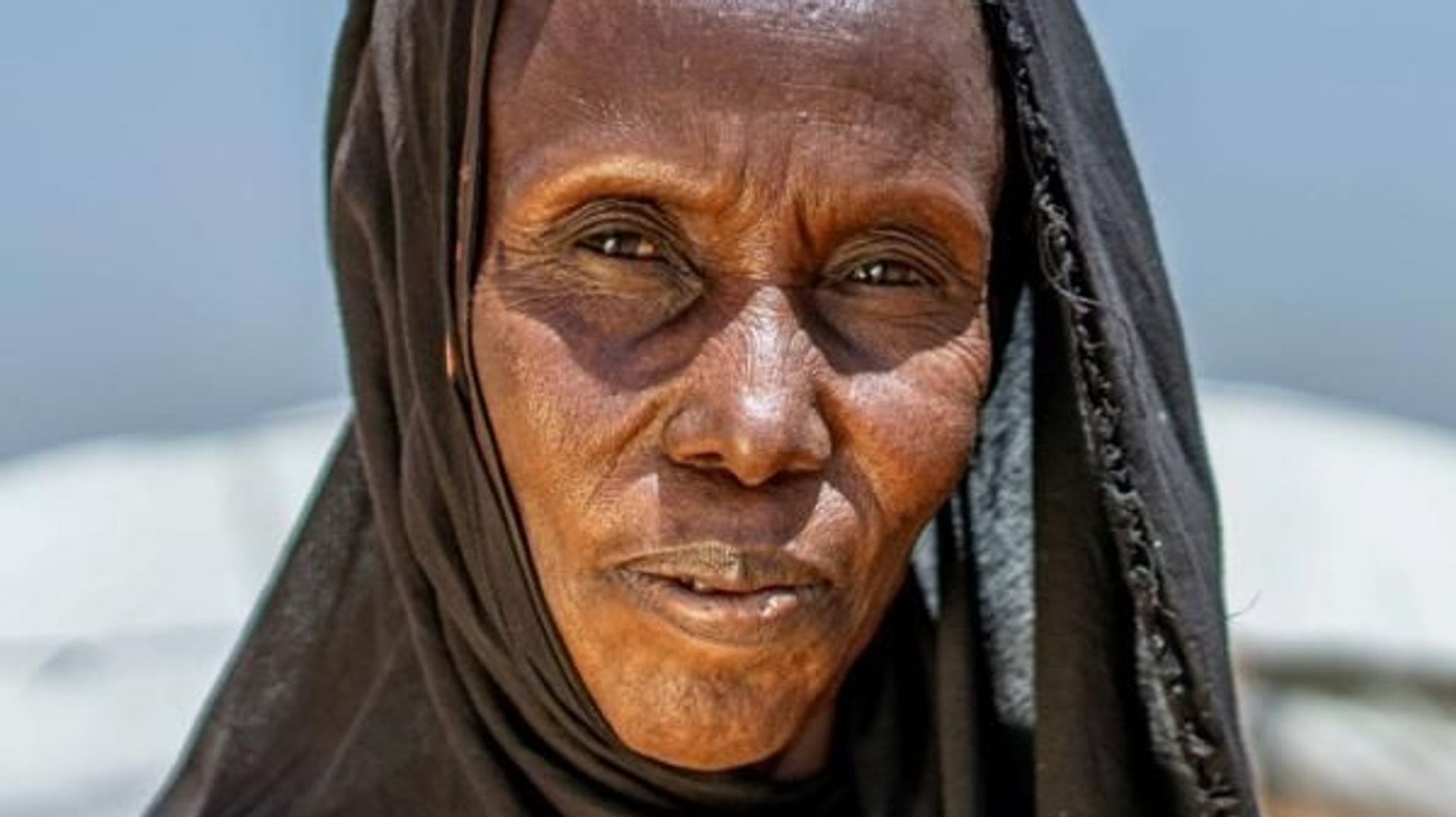
From 23 January to 12 February, the Halles Saint-Géry in Bruxelles will serve as the venue for a poignant photographic journey into the heart of the Mali humanitarian emergency. The exhibition, titled “In Their Eyes,” is designed to raise awareness about a situation that currently impacts more than 6.4 million individuals across the country. A collaborative effort to highlight the crisis This initiative is a joint production by several major organisations, including Médecins du Monde, Action contre la Faim, the Norwegian Refugee Council, the Danish Refugee Council, International Medical Corps,…

Read More

Mali bans jeune afrique magazine: union of african press journalists condemns censorship

In a bold move that has sparked widespread concern, the Union of African Free Press Journalists (UAFPJ) has vehemently denounced the Malian authorities’ decision to prohibit the sale and distribution of the renowned Jeune Afrique magazine across the country. The organization views this restriction as a severe violation of press freedom, freedom of expression, and the Malians’ fundamental right to access independent, balanced, and unbiased information. Jeune Afrique, a long-standing pan-African publication, has played a pivotal role in fostering democratic discourse and providing insightful analysis on the continent’s political, economic,…

Read More

West africa hunger crisis escalates amid funding cuts and violence

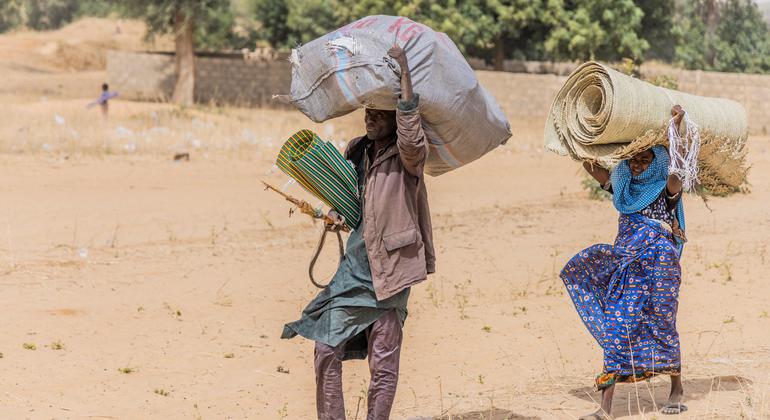
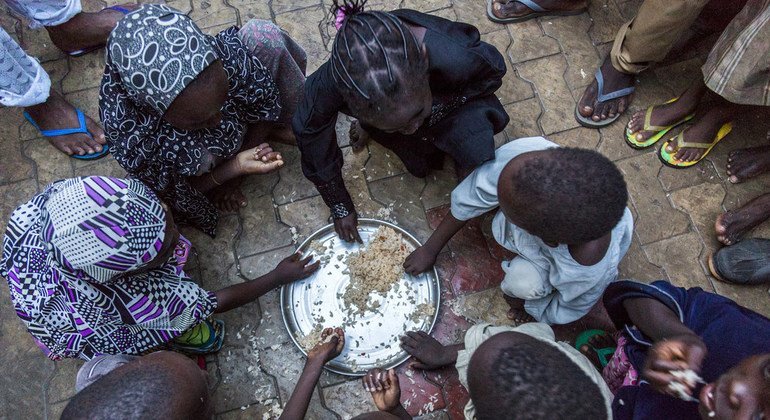
Millions in West and Central Africa face severe food shortages Violent conflicts and drastic budget cuts are pushing millions of people in West and Central Africa toward a catastrophic food crisis. The World Food Programme (WFP) warns that 55 million people, including 13 million children, are at risk of severe starvation this summer. Without immediate action, the situation could escalate into a full-blown humanitarian disaster. In a recent assessment, the WFP reveals that over three million people in the region are expected to face emergency-level food insecurity (IPC Phase 4)…

Read More