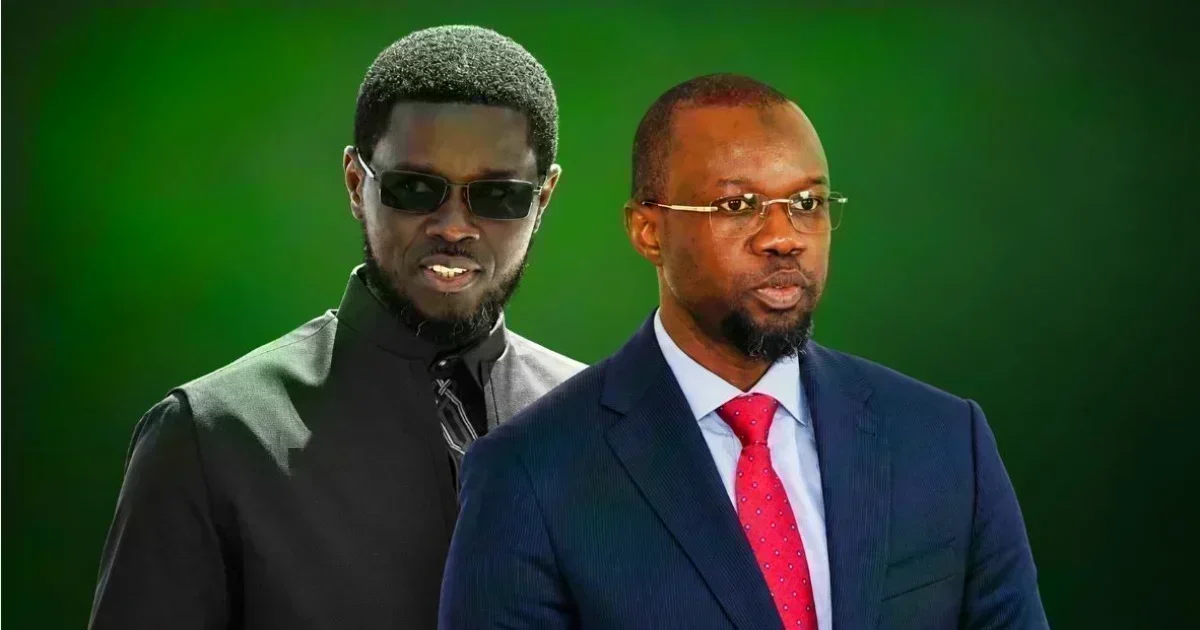
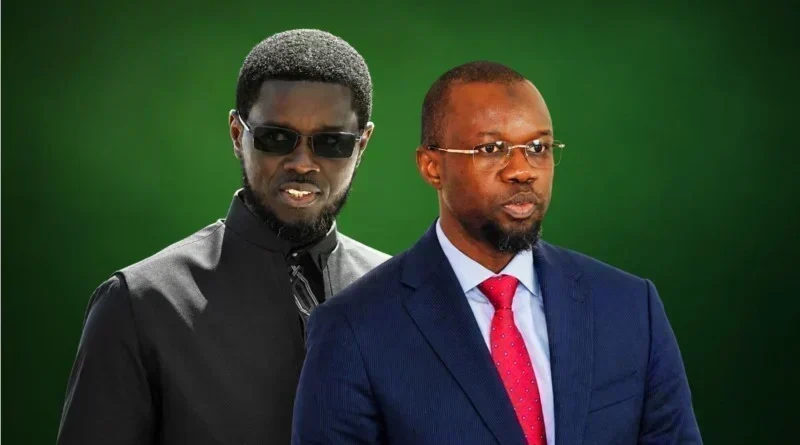
A deep dive into the behind-the-scenes shifts reveals why the once-united front between Bassirou Diomaye Faye and Ousmane Sonko is now fraying at the edges.
Electoral analyst Ndiaga Sylla highlights the widening gap between rhetoric and reality, questioning whether the two leaders are prioritizing the urgent needs of Senegalese citizens.
In an analysis titled “Between Republican ideals and power’s contradictions”, Ndiaga Sylla dissects the evolving positions of President Bassirou Diomaye Faye and Ousmane Sonko. His conclusion is stark: what Sonko once rejected as Prime Minister, Faye now embraces, and vice versa. This role reversal, he argues, exposes the fragility of their political commitments to the people of Senegal.
The shifting stances aren’t just symbolic—they raise critical questions about credibility and consistency. Can a democratic government maintain legitimacy when its actions contradict its stated principles? Sylla implies that the answer lies in the daily struggles of ordinary Senegalese grappling with unemployment, soaring living costs, and dwindling access to essential services.
Four key issues exposing contradictory governance
Sylla identifies four flashpoints where policy contradictions have become impossible to ignore:
- Political funding transparency: Once a rallying cry for reform, this now appears to take a backseat to short-term political maneuvering.
- Debt management strategies: Campaign promises of fiscal responsibility clash with new borrowing patterns that risk burdening future generations.
- Political horse-trading: The once-condemned practice of cross-party defections is now seen as a necessary tool in the ruling coalition’s arsenal.
- Role accumulation: Dual mandates—once criticized as a conflict of interest—are now defended as a testament to efficiency.
Beyond these policy inconsistencies, Sylla redirects the conversation to what he considers the true issue: “Who is truly addressing the immediate social and economic hardships faced by Senegalese citizens?” For him, the test of leadership’s credibility isn’t in grand declarations but in tangible results—jobs, stable prices, and accessible public services.
He cautions that public trust erodes when principles declared in opposition halls fade into irrelevance upon assuming power. Senegal’s future hinges on leaders who prioritize people over political gamesmanship.