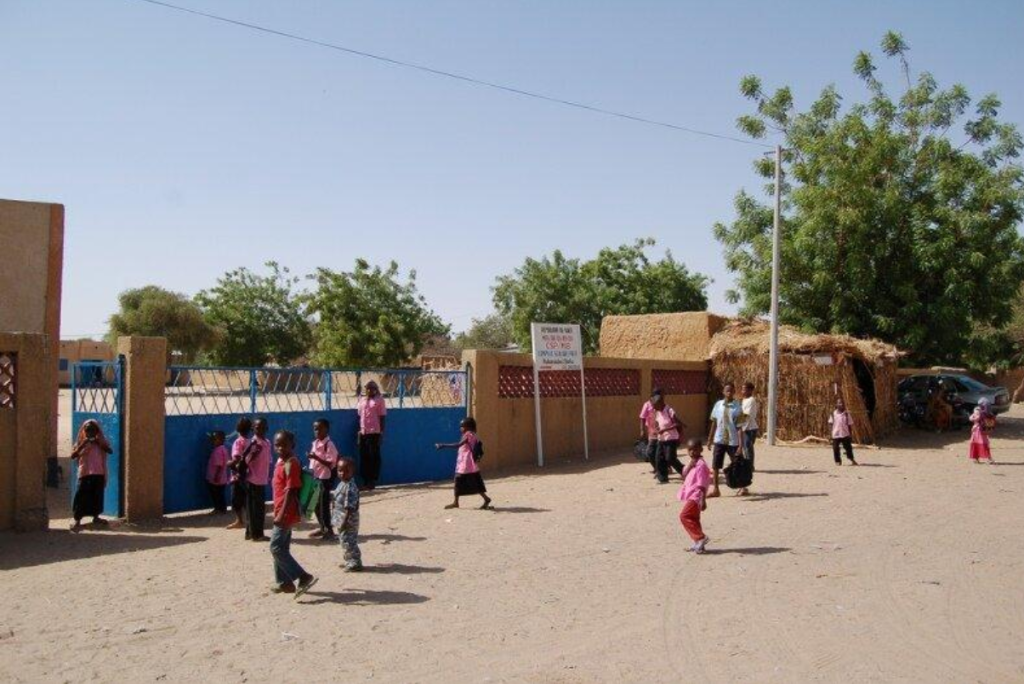
In a move that has sparked intense public debate, authorities in Diffa, Niger, have reversed controversial restrictions that previously limited school access for certain communities. The decision to reopen all educational institutions to every national community marks a pivotal moment in the ongoing struggle to uphold fundamental rights while addressing pressing security concerns.
From exclusion to inclusion: The turning point in Diffa’s education landscape
The recent blanket reopening of schools in Diffa to all communities represents a significant shift in policy, following months of heated discussions about civil rights and administrative measures. This decision comes after reports emerged of targeted restrictions that disproportionately affected specific groups, raising serious questions about fairness and the Nigerien government’s commitment to non-discriminatory practices.
The controversy centered on administrative decisions in early October 2026 that reportedly included school closures, restricted access to water points, and the reassignment of teachers primarily from the Mohamid community in Diffa and Zinder regions. These measures were ostensibly implemented under security pretexts, but their collective impact on an entire community drew swift condemnation from civil society and human rights advocates.
Security versus rights: Where should authorities draw the line?
Diffa’s prolonged exposure to armed group violence, particularly from Boko Haram-affiliated factions, has created a complex security environment. In response, officials have frequently cited safety concerns when justifying school closures and other service disruptions. While protecting students and educators is undoubtedly crucial, the blanket application of restrictions raises ethical questions when entire communities bear the brunt of collective measures.
Critics argue that security imperatives cannot justify punitive actions against innocent civilians. The principle of non-discrimination, enshrined in international instruments like the Convention on the Rights of the Child — which Niger has ratified — demands that educational opportunities remain accessible to all children regardless of their ethnic or community background. The reported closures appeared to conflate security needs with administrative convenience, potentially violating these fundamental protections.
The human cost of discriminatory policies
The impact of school closures extends far beyond disrupted learning. For affected families, particularly those already struggling with displacement and economic hardship, these decisions compound existing vulnerabilities. Children from restricted communities face immediate risks of falling behind academically, while families grapple with the psychological toll of being targeted by state measures.
Education advocates emphasize that inclusive schooling serves as both a right and a tool for social cohesion. By excluding entire communities, authorities risk deepening divides and undermining trust in state institutions. The renewed debate highlights the urgent need for policies that balance security realities with unwavering commitment to civil liberties and equal treatment under the law.
What comes next: Ensuring sustainable inclusion
The reopening of schools to all communities is only the first step toward restoring educational normalcy in Diffa. For this measure to have lasting impact, several conditions must be met:
- Uninterrupted access: Families must be confident that children can attend school without fear of sudden closures or administrative restrictions.
- Resource availability: Schools need sufficient teaching staff, learning materials, and safe infrastructure to accommodate all students.
- Transparent policies: Clear communication about the legal basis and criteria for any future restrictions is essential to prevent abuses of power.
- Community engagement: Involving local leaders and affected families in decision-making can help rebuild trust and identify practical solutions.
The road ahead requires more than policy announcements; it demands concrete actions that demonstrate Niger’s dedication to protecting every child’s right to education while maintaining public safety. Diffa’s experience serves as a test case for how nations can navigate security challenges without compromising foundational human rights.
Education as a pillar of national unity
Schools in Diffa now face a dual challenge: addressing years of disrupted learning caused by conflict and displacement, while ensuring no child is excluded due to their community background. This moment presents an opportunity to reinforce education as a unifying force that transcends ethnic and social divisions.
For a region scarred by violence and instability, accessible education offers more than academic benefits. It represents a path toward social cohesion, economic resilience, and long-term peace. By guaranteeing inclusive schooling, Niger can take meaningful steps to heal divisions and build a future where all children — regardless of their origin — have the chance to learn, grow, and contribute to their nation.
As the debate continues, one truth remains clear: in Diffa, as across Niger, the right to education must never be held hostage to security concerns or administrative expediency.