The recent military cooperation agreement between Algeria and Niger has sparked both optimism and skepticism across the Sahel region. While officials celebrate the pact as a strategic milestone, critics and regional observers question its lack of transparency and potential implications. What exactly does the deal entail, and why are its details being kept under wraps? The answers could reshape the security landscape of West Africa.
What the agreement promises—and what it doesn’t
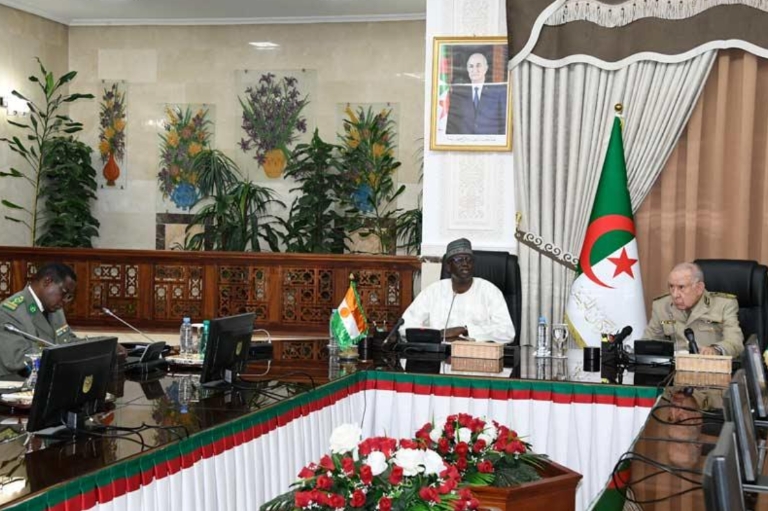
The protocol, signed in Algiers on October 21, 2026, was hailed as a breakthrough in bilateral military relations. General Saïd Chanegriha, Algeria’s top military leader, and Niger’s Defense Minister Salifou Modi formalized commitments to enhance defense ties. Yet, the fine print remains conspicuously absent.
Do the two nations plan joint training programs for Nigerien forces? Will there be regular high-level exchanges between their armed forces? Will intelligence-sharing mechanisms or coordinated border surveillance systems be established? And crucially, are any provisions—such as troop deployments or mutual defense pacts—being secretly negotiated? Without clarity, the agreement’s true scope remains speculative.
Why the secrecy raises eyebrows
While some confidentiality in military accords is expected, the lack of public disclosure fuels speculation. Some analysts argue that transparency is essential to distinguish genuine cooperation from symbolic gestures. Others worry that vague commitments could mask unresolved disputes over funding, timelines, or operational responsibilities.
One thing is certain: the absence of detailed provisions makes it difficult to assess whether this pact is a meaningful step toward stability or merely a diplomatic gesture.
The Sahel’s shifting sands and the pact’s regional ripple effects
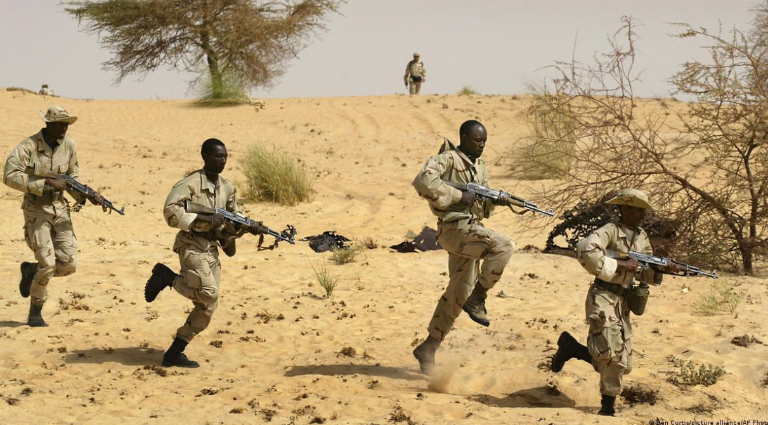
The timing of the agreement is no coincidence. Niger, facing relentless insurgencies near its borders with Mali and Burkina Faso, seeks stronger security partners. Algeria, meanwhile, prioritizes securing its southern frontier and preventing cross-border threats. Their mutual interest in countering terrorism and organized crime aligns with broader regional priorities.
Yet, the agreement’s potential to influence the wider Sahel remains uncertain. Niger is part of the Alliance of Sahel States (AES), alongside Mali and Burkina Faso, while Algeria maintains its own independent approach to regional security. Could this pact evolve into a broader coalition, or will it remain a strictly bilateral arrangement? Without further details, the answer is unclear.
What is clear is that the deal occurs amid a broader realignment in Sahelian alliances. Algeria’s balancing act—avoiding overtly aligning with any single bloc—adds another layer to the puzzle.
The politics behind the signatures: More than just security?
The high-profile meeting in Algiers, which included President Abdelmadjid Tebboune, underscored the pact’s political significance. Such visible diplomacy suggests more than routine defense cooperation—it hints at a deliberate effort to deepen ties at the highest levels.
But does this signal a turning point in Algeria-Niger relations, or is it a calculated move to counterbalance other regional players? The lack of specifics makes it impossible to determine whether the agreement will translate into concrete actions or remain a symbolic gesture.
Unanswered questions: Funding, oversight, and accountability
The devil, as always, lies in the details. Key questions persist:
- Financial commitments: How much will each country contribute to joint initiatives? Who will manage the budget, and what are the spending priorities?
- Implementation timeline: Is there a roadmap for rolling out the agreement’s provisions, or is it open-ended?
- Monitoring mechanisms: Will there be joint commissions to track progress, or will each side handle oversight independently?
- Measurable outcomes: What benchmarks will determine success? Without clear objectives, how can progress be assessed?
These uncertainties are not trivial. They determine whether the accord will remain a vague framework or become a structured partnership with tangible benefits.
What’s next for Algeria-Niger relations—and the Sahel?
The military pact’s legacy hinges on what follows the signing. Will Algeria and Niger release more details about the agreement’s operational components? Will they establish public-facing committees to oversee its implementation? Or will the deal fade into the background, remembered more for its ambiguity than its impact?
One thing is certain: in a region where security vacuums and shifting alliances define the landscape, clarity is non-negotiable. Without it, the agreement’s true value—and its potential to reshape regional dynamics—will remain a subject of debate.
For now, observers are left to parse official statements, read between the lines, and wonder: is this a partnership built to last, or a fragile alliance whose durability is yet to be tested?