The unfolding environmental scandal in Niger’s Agadem oil field
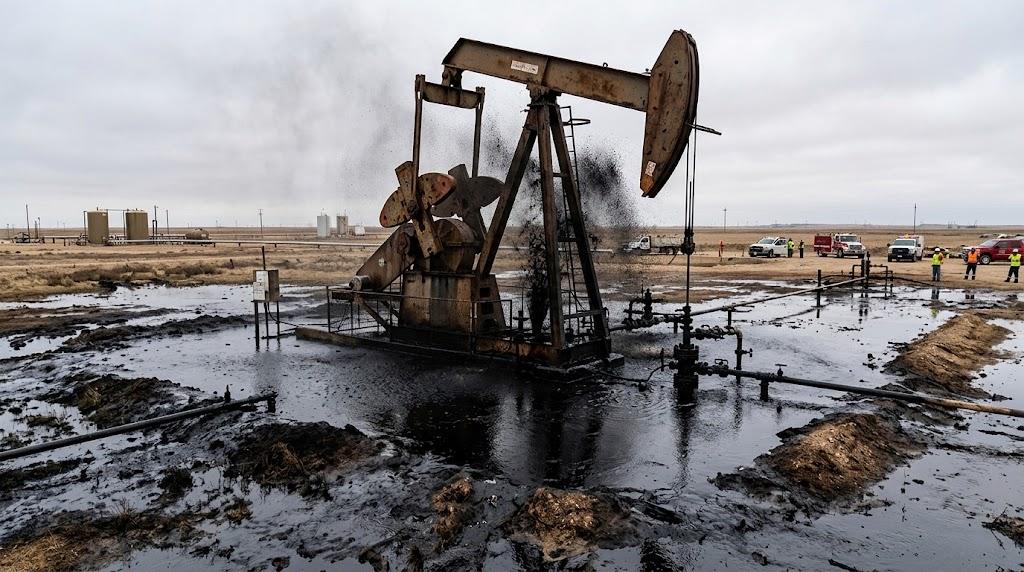
What began as a technical malfunction has spiraled into one of the most catastrophic industrial failures in Africa’s modern energy history. On September 25, 2026, a violent rupture at well Goumeri W8 in Niger’s Agadem oil block sent a toxic cocktail of crude oil and hydrocarbons erupting into the Sahara Desert. With no containment measures in place, the spill spread unchecked, while an invisible but deadly plume of methane began poisoning the atmosphere.
Seventeen days passed before the Nigerian government acknowledged what locals and environmental watchdogs already knew: this was not just an oil spill—it was an unfolding ecological disaster of global significance. The delay in response revealed a pattern of systemic neglect, where profit margins took precedence over public safety and environmental protection.
From denial to reckoning: the delayed admission of failure
The silence was deafening. For over two weeks, neither government officials nor the site operator, China National Petroleum Corporation (CNPC), issued any public statement. It wasn’t until October 12 that authorities finally conceded to the world that a “highly severe environmental incident” had occurred. Yet even that acknowledgment came with reservations, carefully framed to downplay the scale of the damage.
In a televised address, the Ministry of Petroleum mentioned high-pressure oil jets reaching ten meters into the air and threats to adjacent wells Goumeri W3 and W4. Crucially, however, no figures were provided on the volume of oil spilled or the volume of methane released. Only later did independent satellite data from the European Space Agency’s Sentinel-5P reveal the true extent of the tragedy.
A climate time bomb: methane leaks and their global cost
The revelations were staggering. Over three weeks, the Goumeri W8 blowout released over 17,000 tonnes of methane into the atmosphere. That’s more than 40 tonnes per hour—an invisible but potent greenhouse gas with a global warming potential over 80 times greater than carbon dioxide over a 20-year period.
Satellite imagery confirmed that the methane plume showed no signs of abating. Despite official claims of “partial control,” the flow continued unabated, turning a local industrial accident into a regional—and potentially global—climate crisis.
The human footprint of this disaster is already visible. Two workers remain hospitalized with severe injuries sustained during emergency response attempts. Their suffering underscores a deeper truth: this crisis is not just environmental—it is a failure of industrial governance, where cost-cutting and production targets overshadowed basic safety protocols.
Who is really in control? The cost of chasing oil riches
Niger’s push to increase oil production to 90,000 barrels per day—with much of it destined for export via the controversial pipeline to Benin—has come at a catastrophic price. Regulators and operators downplayed risks, ignoring repeated warnings about aging infrastructure and insufficient maintenance budgets.
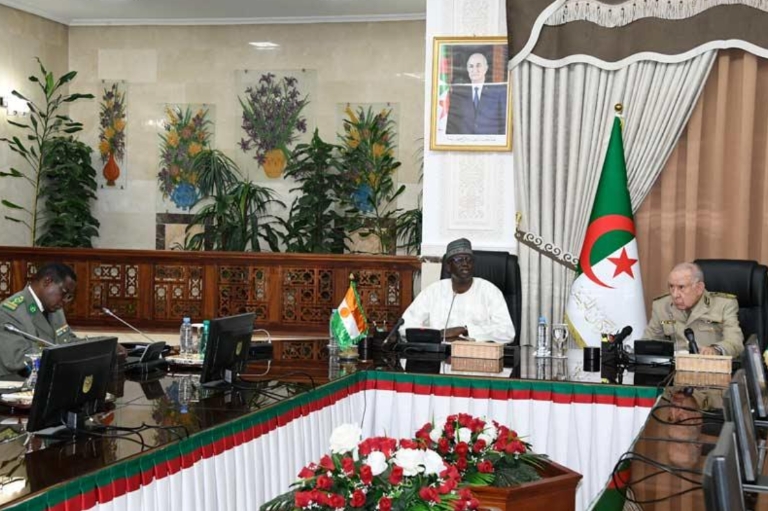
By the time national authorities realized the situation was spiraling out of control, they were forced to call in emergency support from Algerian specialists at Sonatrach. The sudden reliance on foreign expertise exposed a glaring truth: Niger’s petroleum sector lacks the technical capacity to manage high-risk operations, despite its ambitious expansion plans.
This incident raises urgent questions about accountability. Who bears responsibility when a foreign multinational prioritizes output over safety? Who answers when a state fails to regulate its own resources, allowing an environmental catastrophe to unfold with minimal oversight?
What comes next: accountability, remediation, and systemic change
The path forward demands more than cleanup crews and press releases. It requires a complete rethinking of Niger’s extractive model. The Agadem oil field was never meant to be a dumping ground for industrial negligence. The desert is not a sacrifice zone for oil profits.
Environmental activists are calling for an independent international inquiry into the incident, with full transparency on cleanup efforts and compensation for affected communities. Meanwhile, the global community must pressure multinational corporations operating in Africa to adhere to the same environmental standards they follow at home.
In the face of silence and denial, the truth has finally surfaced. The question now is whether Niger—and the world—will act before this ecological time bomb detonates permanently.