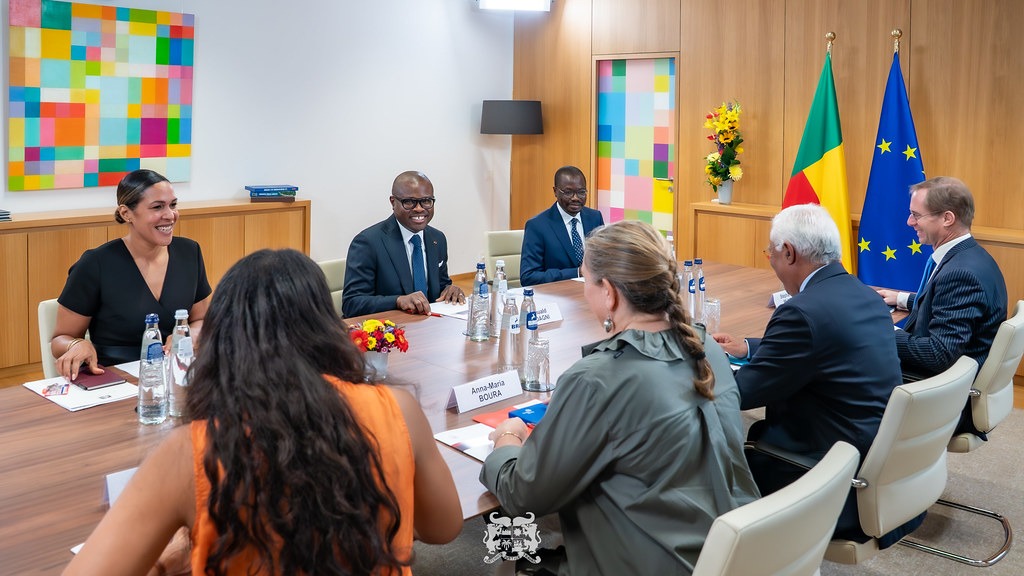
The dust has barely settled on the high-stakes meeting in Cotonou, but the ripple effects are already reshaping West Africa’s development debate. During a packed ministerial session held in Benin’s economic capital, senior officials from both the Republic of Benin and the European Union convened to reassess their strategic cooperation framework, setting the stage for a new chapter of bilateral ties that promises to influence the region’s economic and social trajectory.
The fallout begins: public reactions and political echoes
As soon as the joint communiqué was issued, stakeholders across civil society, academia, and the private sector weighed in with reactions that ranged from cautious optimism to pointed skepticism. Critics question whether the renewed commitments will translate into tangible improvements for local communities, especially youth and women, who have long awaited visible benefits from international partnerships. Meanwhile, government officials defend the initiative, highlighting the alignment of funding priorities with Benin’s national development plan and the EU’s track record in sustainable infrastructure projects.
Media coverage has amplified the divide. Some outlets praise the strengthened alignment between donor priorities and national needs, while others question the sustainability of debt-financed programs and the long-term impact on local industries.
Where the rubber meets the road: key sectors under the spotlight
The bilateral talks zeroed in on sectors where cooperation could yield the most immediate dividends for citizens. Under scrutiny are ongoing programs in sustainable development, digital transformation, and governance reforms—areas where both partners have invested heavily in recent years. But the real test lies in execution: Can these investments translate into jobs for young graduates? Can digital infrastructure bridge the rural-urban divide? And can governance reforms curb corruption and improve service delivery?
Infrastructure: from blueprint to bridge
Of all the sectors discussed, infrastructure emerged as a focal point. Projects ranging from rural electrification to urban transport corridors are expected to receive accelerated funding under the updated agreement. Stakeholders, however, stress the need for transparent procurement processes and local contractor participation to avoid past pitfalls that left communities feeling sidelined.
Youth and entrepreneurship: the litmus test of success
The partnership places a strong emphasis on job creation and support for small and medium-sized enterprises (SMEs), particularly those led by young innovators. Yet, the effectiveness of these measures will depend on streamlined access to finance, mentorship networks, and policy environments that encourage risk-taking. Observers note that without these safeguards, youth unemployment could remain a ticking time bomb for social stability.
What’s next: navigating the road ahead
The roadmap agreed in Cotonou is ambitious, but execution will be the true measure of success. Both sides have committed to quarterly progress reviews, a move seen as a step toward greater accountability. Yet, challenges loom large. Global economic headwinds, shifting trade policies, and regional instability in the Sahel could derail even the most well-intentioned plans. For the partnership to endure, it must adapt quickly and prove its value in real time.
One thing is clear: the public is watching. With every delayed project or unfulfilled promise, the credibility of international cooperation in West Africa takes another hit. The next 12 months will be decisive in determining whether this renewed alliance delivers not just on paper, but on the ground.
Voices from the ground: local perspectives on the EU-Bénin partnership
From market traders in Porto-Novo to tech entrepreneurs in Parakou, the reactions are mixed. Some praise the potential for new trade opportunities, while others warn that without inclusive policies, the benefits will remain concentrated in urban centers. Civil society leaders emphasize the need for grassroots consultations to ensure that development priorities are not dictated solely from diplomatic corridors.