The aftermath of Lomé’s airport sanitation scandal: why the state turned to a French giant
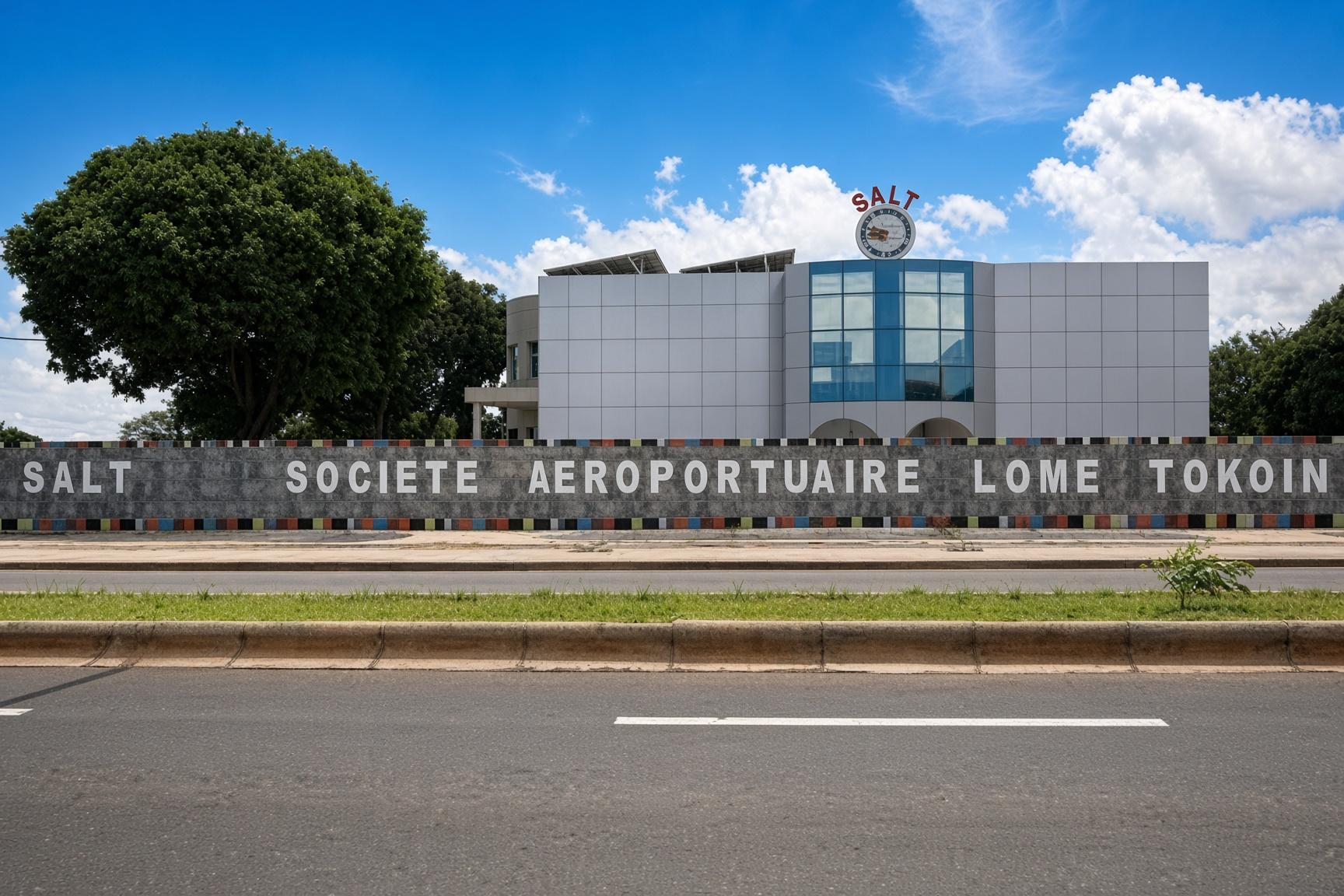
The scandal involving the overflowing sewage systems at Lomé’s Gnassingbé Eyadéma International Airport (AIGE) has left no room for ambiguity. What began as an isolated maintenance failure has escalated into a full-blown governance crisis, forcing the Togolese government to confront a harsh reality: its own structures are incapable of managing a flagship infrastructure without external intervention. The incident, which left travelers wading through a literal fecal storm in the departure hall, became a viral symbol of systemic neglect, prompting swift and decisive action from authorities.
From public failure to private rescue: the Lagardère Travel Retail solution
In a move that has ignited public debate, the Togolese government has finalized negotiations to entrust the commercial management and duty-free operations of AIGE to Lagardère Travel Retail, a subsidiary of the French conglomerate Lagardère, itself backed by the Bolloré group. The decision marks a stark departure from the country’s long-standing policy of self-reliance in managing its premier international gateway. While the transfer promises immediate improvements in operational standards and passenger experience, it also raises critical questions about long-term sovereignty and economic inclusivity.
What’s at stake: modernizing infrastructure vs. protecting local interests
The rationale behind the deal is clear: Lagardère Travel Retail brings the expertise, capital, and global best practices needed to transform AIGE into a state-of-the-art facility. The French group has pledged to elevate the airport’s commercial offerings, streamline passenger flows, and restore its international reputation—all within a compressed timeline. Yet, the partnership comes with strings attached. Critics argue that handing over lucrative duty-free zones to a foreign operator could sideline local SMEs and artisans, replacing them with international brands and redirecting revenue streams away from Togolese businesses.
Economic analysts point to a delicate balancing act: the government must modernize its infrastructure to attract airlines and investors, but not at the cost of eroding domestic economic participation. The concession terms, though still under wraps, will be scrutinized closely to determine whether the arrangement truly benefits both parties—or ultimately serves as a Trojan horse for foreign dominance in a strategic sector.
A partnership under scrutiny: who really wins?
The government’s urgency to act cannot be overstated. With the airport’s reputation in tatters and travelers increasingly vocal about their experiences, the cost of inaction—both in financial and reputational terms—has become too high to ignore. Yet, the decision to partner with a French multinational has sparked a broader conversation about the trade-offs between efficiency and sovereignty. Is outsourcing the solution, or merely a stopgap measure that delays the development of local expertise?
For Lagardère Travel Retail, the stakes are equally high. The group must deliver on its promises: clean, functional facilities; a seamless passenger experience; and a commercially viable model that justifies the investment. Failure to meet these expectations could derail the partnership before it even begins. Success, however, could set a precedent for future public-private collaborations in West Africa—one that prioritizes global standards but risks marginalizing local stakeholders.
The road ahead: will the airport crisis reshape Togo’s economic strategy?
The fallout from the AIGE scandal has exposed deep-seated vulnerabilities in Togo’s infrastructure governance. The government’s pivot toward privatization reflects a broader trend across the region, where cash-strapped states are increasingly reliant on foreign expertise to maintain critical assets. But as the dust settles, the real test will be whether this deal can deliver on its dual promises: restoring AIGE as a gleaming gateway to Togo and ensuring that its modernization benefits the nation as a whole.
The coming months will reveal whether the gamble pays off. Will Lagardère Travel Retail’s intervention revitalize the airport without sidelining local businesses? Or will the move, despite its immediate necessity, leave Togo more dependent on foreign operators in the long run? One thing is certain: the public debate is far from over, and the choices made today will shape the country’s economic future for years to come.