The long road to freedom: two Europeans finally released after 18 months in Niger
After a grueling 18 months in captivity, Austrian national Eva Gretzmacher and Swiss citizen Claudia Abbt have been freed following separate kidnappings in northern Niger. Their arrival in Benghazi, Libya, marks a rare moment of relief in a region plagued by persistent kidnapping threats and shifting geopolitical alliances. Yet the circumstances surrounding their release have ignited a fierce debate over the role of Libyan actors in Sahelian hostage negotiations—and what this means for the future of regional security.
Agadez: a hotspot for foreign abductions in the Sahel
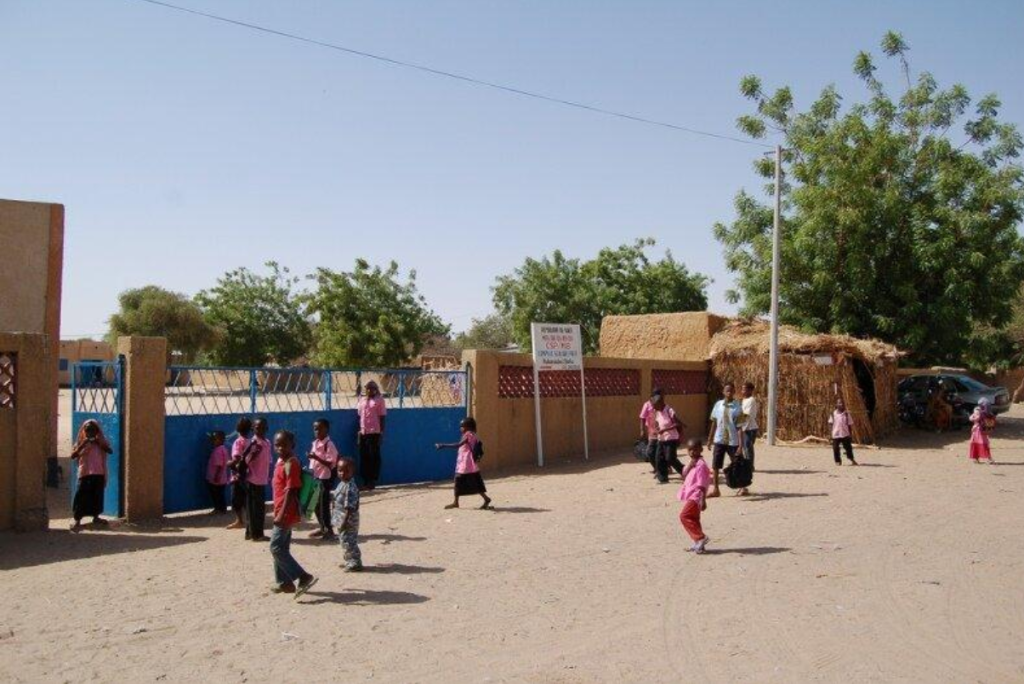
Both women were taken in Agadez, a desert crossroads famed for its trade routes and migrant corridors. Gretzmacher was kidnapped in January 2025, followed by Abbt in April 2025. Their abductions underscored the growing audacity of armed groups operating in Niger’s northern cities, where foreigners were once considered relatively safe. Security analysts warn that these incidents signal a dangerous escalation in the Sahel’s kidnapping epidemic.
The prolonged duration of their captivity—over a year and a half—highlights the sophistication of hostage-taking operations in the region. With militants leveraging porous borders and weak state control, retrieving foreign captives has become a multilateral chess game involving governments, militias, and intermediaries.
Libya’s Haftar: silent partner or key player in the resolution?
Benghazi’s strategic role in hostage diplomacy
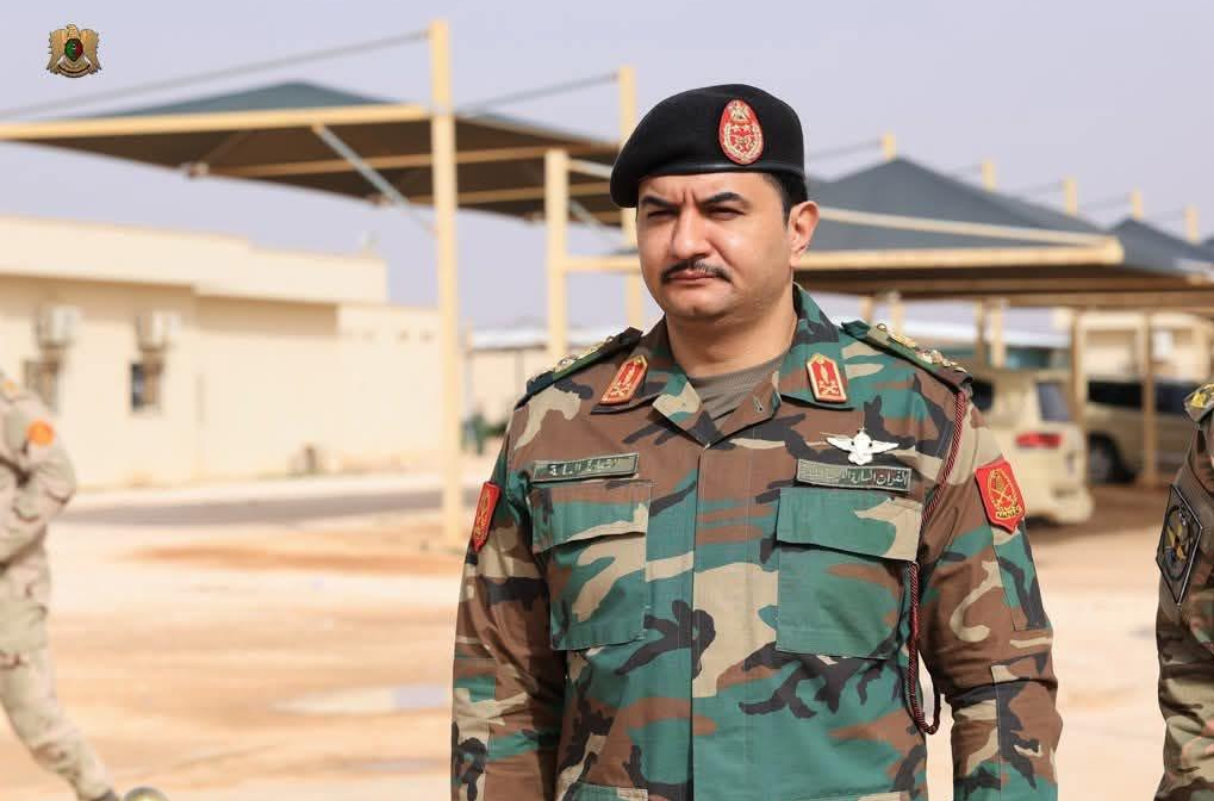
The decision to transfer the hostages to Benghazi, a stronghold of Libyan military leader Khalifa Haftar, has drawn intense scrutiny. While details remain scarce, reports suggest Haftar’s network played a pivotal role in brokering the deal. His son, Saddam Haftar, is frequently cited as a potential intermediary, though no official confirmation has emerged.
This development raises critical questions: Is Haftar expanding his influence beyond Libya’s borders? Could this be a bid to strengthen ties with European governments eager to secure the safe return of their citizens? The lack of transparency surrounding the negotiations leaves analysts divided, but one thing is clear—the Haftar faction’s involvement adds a new layer of complexity to Sahelian security dynamics.
Transnational negotiations: a double-edged sword
The use of Libyan channels reflects the growing reliance on cross-border mediation in hostage crises. While such networks can expedite releases, they also blur the lines between official diplomacy and backchannel deals. For African and European governments alike, the challenge is balancing the need for rapid resolutions with the risks of empowering non-state actors.
One analyst noted, “In the Sahel, hostage releases often hinge on shadowy negotiations where every concession has unintended consequences. The Haftar link may have been the breakthrough these women needed—but it’s a reminder that the region’s security architecture is built on shaky ground.”
Niger’s security dilemma: can foreign abductions ever be stopped?
The growing terror threat in the north
Niger’s northern regions have become a battleground for jihadist factions, further destabilizing areas like Agadez. The kidnappings of Gretzmacher and Abbt are just two of a series of high-profile cases involving Westerners. Security forces struggle with vast, sparsely populated deserts that allow armed groups to strike and disappear without a trace.
For foreign governments, the risks are too high to ignore. Diplomatic advisories now warn their citizens against traveling to Niger, with some issuing blanket prohibitions on the entire country. The message is stark: even in urban centers, the threat of kidnapping looms large.
Humanitarian and diplomatic fallout
The ordeal of the two hostages has reignited debates over the effectiveness of international cooperation in the Sahel. Can Western governments trust regional intermediaries to secure releases without compromising their principles? Should ransom payments—or indirect concessions—be considered in life-or-death scenarios?
Claudia Abbt’s family issued a cautious statement following her liberation, urging caution in speculation about the negotiations. “Our priority is Eva and Claudia’s wellbeing,” they said. “But we cannot ignore the broader implications of how their release was achieved—and what it signals for others at risk.”
What comes next? Unanswered questions and lingering fears
The road home and long-term support
With the hostages now in Benghazi, the next phase involves repatriation and post-crisis care. While their families and governments work to finalize the transfer, questions linger about the actual captors. Were they affiliated with the Islamic State in the Sahel, as some reports speculated? Or did local factions exploit the chaos for profit?
The absence of concrete answers underscores a harsh reality: in the Sahel, hostage crises often end with more questions than resolutions. For every European freed, dozens remain in the hands of militants whose motives are as varied as the groups they belong to.
A region on edge: lessons from the Gretzmacher-Abbt case
The case of Gretzmacher and Abbt serves as a stark reminder of the Sahel’s fragile security landscape. As governments scramble to reassess their strategies, one thing is certain: the threat of kidnapping is far from over. Whether through military intervention, covert diplomacy, or economic incentives, the battle to protect civilians—and foreign nationals—will demand innovative solutions.
Until then, the people of Agadez and beyond continue to live under the shadow of uncertainty, where the next abduction could happen at any moment.