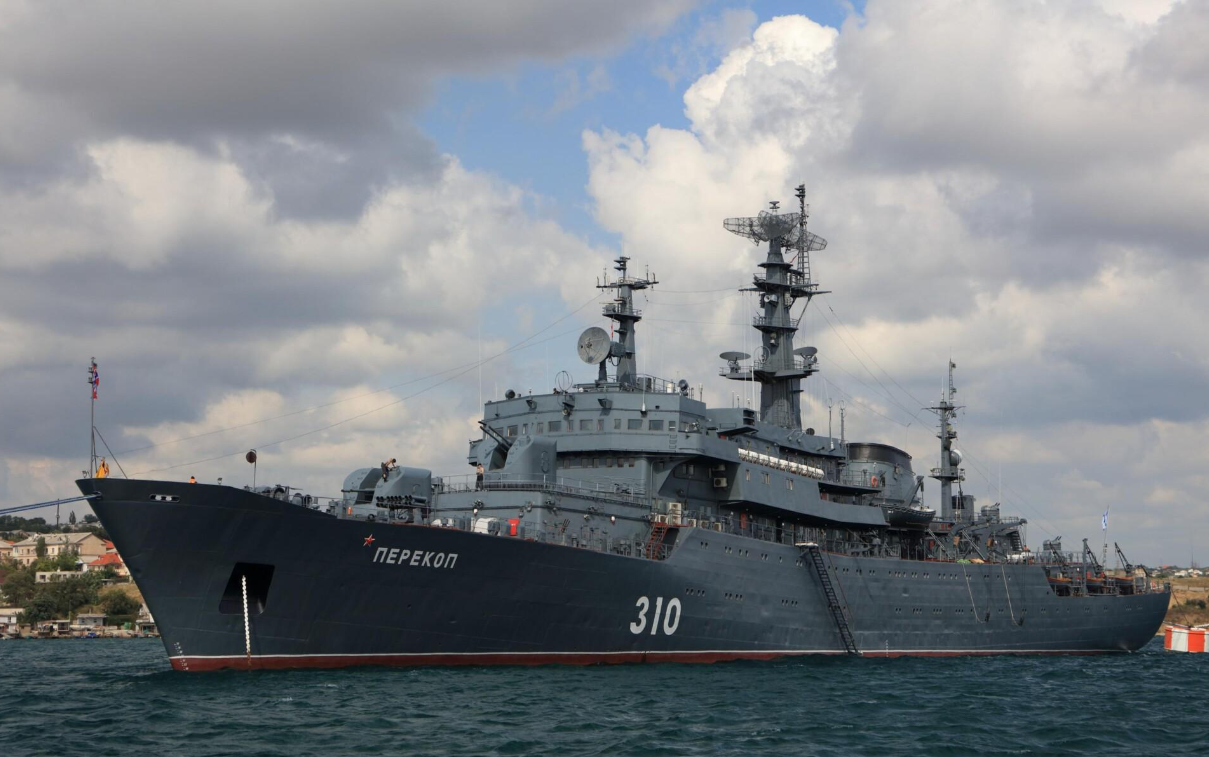
The arrival of the Russian navy vessel Perekop in Walvis Bay, Namibia, on October 20, 2026, was framed as a routine maritime training mission. Yet beneath the official narrative lies a broader geopolitical chess game, sparking intense debates about Moscow’s long-term ambitions in Africa.
Anchoring Influence: What the Perekop’s Stop Really Signals
The Perekop, a Baltic Fleet training ship, docked in Namibia’s key Atlantic port after a seven-day voyage covering over 1,800 nautical miles. Russian officials insist the mission is purely educational—training future naval officers in navigation, route planning, and long-haul seamanship. But in a world where military diplomacy often wears civilian clothes, even routine visits can carry deeper implications.
Russian naval escorts have become a fixture in global waters, offering more than just training. They provide opportunities to:
- Strengthen bilateral ties with African militaries and governments
- Demonstrate Moscow’s reach beyond its traditional spheres
- Test operational sustainability in distant theaters
Walvis Bay: More Than a Drop-In Port?
Walvis Bay isn’t just Namibia’s most important port—it’s a strategic gateway for Atlantic trade. Its deep waters and modern infrastructure make it ideal for ship maintenance, resupply, and long-term deployments. For Russia, cultivating access here could be the first step toward greater maritime flexibility in southern Africa.
While no permanent Russian base has been established, the Perekop’s visit—along with meetings between Russian and Namibian naval officials—hints at a deliberate strategy of presence-building. Analysts note that such port calls often precede formal agreements, though none have been publicly confirmed in this case.
Diplomacy in Action—or Hidden Moves?
The question isn’t whether training took place, but whether the mission served additional goals. Russian naval diplomacy has evolved into a tool for:
- Reinforcing military partnerships where Western influence wanes
- Countering perceptions of Russian decline by showcasing global reach
- Opening doors for future arms sales or technical cooperation
Namibia, meanwhile, may see value in diversifying its defense alliances. Like many African nations, it balances cooperation with traditional Western partners against opportunities offered by emerging powers. Yet there’s no evidence so far that Windhoek has committed to deeper military integration with Russia.
Symbolism Over Substance? The West Takes Notice
In a climate of heightened East-West rivalry, even a training mission can send political signals. Russia’s naval presence in Africa serves as a reminder that Moscow retains global navigation capabilities and diplomatic leverage, despite sanctions and economic pressures. While the Perekop’s voyage may not constitute a direct challenge to Western interests, its timing amid rising tensions raises eyebrows.
What Comes Next?
The true measure of this visit won’t be the training completed or the port left behind, but the follow-up actions. Possible next steps include:
- Regular Russian naval visits to Walvis Bay
- New defense agreements or joint exercises
- Expansion of logistical support for Russian ships
Until such developments occur, the Perekop’s stop remains a notable but unconfirmed chapter in Russia’s African strategy. One thing, however, is clear: in the world of naval diplomacy, even a training ship can leave a lasting impression.