Fighting sickle cell in Niger: early detection saves lives
A simple blood test before marriage could transform countless lives in Niger. Yet, for many families, sickle cell disease remains a silent crisis, leaving children without hope due to lack of awareness and resources.
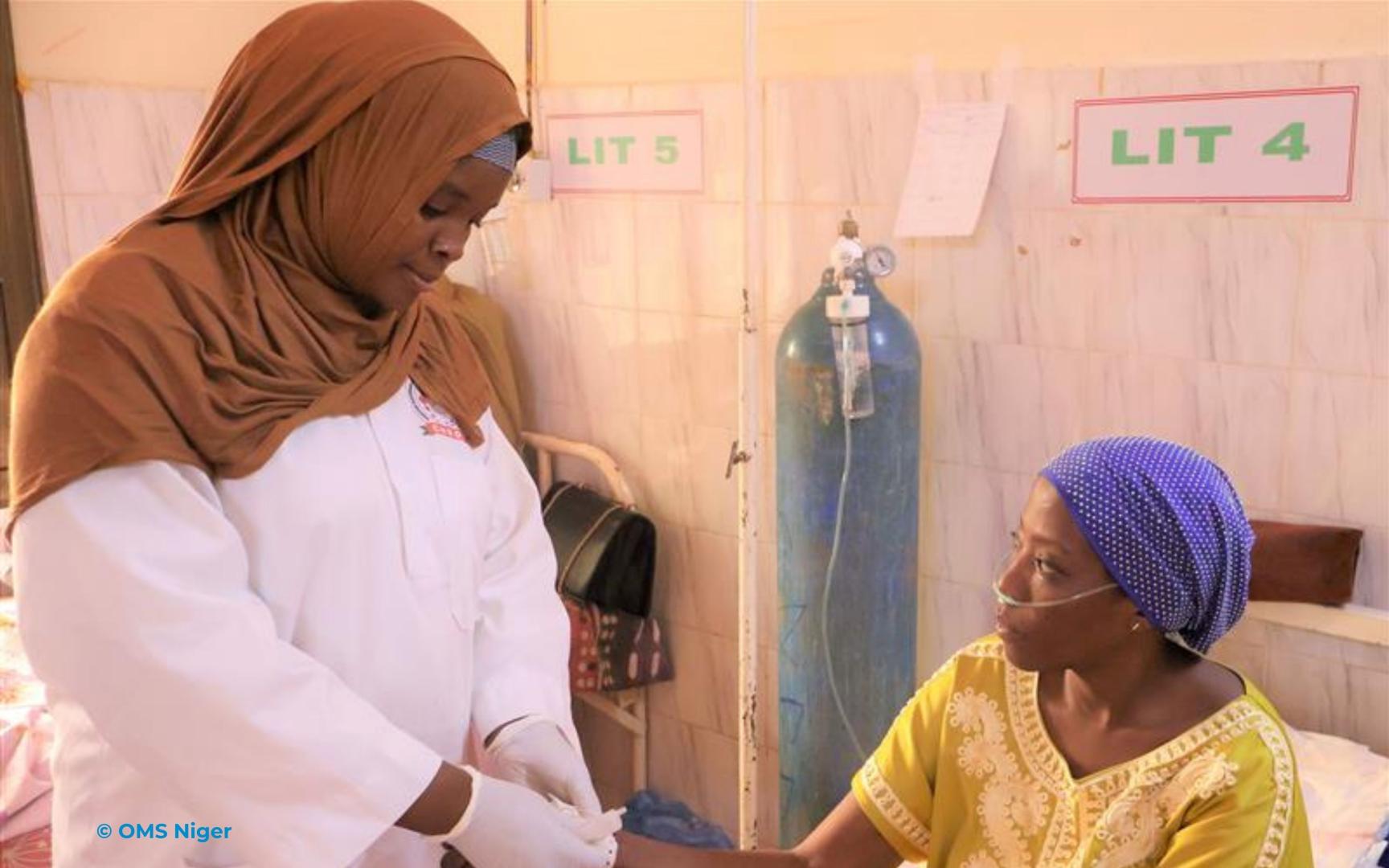
Dr. Mariam Boureima Djibo, director of the National Sickle Cell Reference Center (CNRD) in Niamey, shares a heartbreaking experience: « When I took charge of the center, one case haunted me—a parent, overwhelmed by poverty, had to abandon their child because they couldn’t afford life-saving medication. This tragedy highlights the urgent need for stronger medical and social support systems.»
Why sickle cell persists in Niger
Every year, thousands of children in Niger are born with sickle cell disease, a painful and often misunderstood genetic condition. The disease occurs when a child inherits the defective gene from both parents (homozygous SS form). Despite its prevalence, many carriers remain unaware of their status, unknowingly passing the condition to their children.
Preventive measures like prenuptial screening and genetic counseling are critical to breaking this cycle. The CNRD is leading nationwide efforts to promote these services, empowering at-risk couples to make informed decisions about family planning and health.
Life-changing early detection
Thanks to a pilot neonatal screening program at the Maternity Issaka Gazobi, newborns with sickle cell disease are identified early, allowing for timely medical intervention. Dr. Marie Ousseini, a pediatrician involved in the initiative, emphasizes its impact: « Early detection gives these children a real chance at a longer, healthier, and less painful life.»
This program is part of a broader prevention strategy that includes:
- Community awareness campaigns
- Training for medical staff
- Psychosocial support for families
- Subsidized medication and therapeutic education
Progress and future goals
Under Dr. Mariam’s leadership, the CNRD has made significant strides:
- Establishment of an intensive care unit
- Recruitment of specialists (psychologists, epidemiologists, intensivists)
- Acquisition of advanced medical equipment
- Increased awareness and free screening for over 2,000 youth in 2024
Looking ahead, the center aims to:
- Expand prenupital screening across all regions
- Improve health information systems
- Strengthen psychosocial support
- Integrate sickle cell into national health policies
- Build a new center in Niamey
The role of global partners
The World Health Organization (WHO) has been a vital ally in Niger’s fight against sickle cell. During the 2024 World Sickle Cell Day, the WHO donated essential medications and supplies to the CNRD, significantly boosting patient care. The organization also pledged to:
- Enhance the CNRD’s technical and financial capacities
- Support the mobilization of additional partners
- Conduct advocacy for policy changes
- Fund scientific studies for better decision-making
Dr. Casimir Manengu, WHO’s interim representative in Niger, stressed the importance of decentralizing the CNRD: « This specialized center deserves to be replicated across the country to reach every family in need.»
With continued collaboration, Niger is taking bold steps to turn the tide against sickle cell. The message is clear: prevention, awareness, and access to care are the keys to saving lives and building a healthier future.