The Italian government’s new security decree, approved following recent urban unrest, has ignited a fierce nationwide debate about the balance between public order and individual freedoms. While officials argue the measures are necessary to curb escalating violence, critics warn they could erode democratic protections and fail to address the root causes of societal tensions.
New measures target collective violence with harsher penalties
The decree introduces a dedicated legal framework for participants in violent group actions. Anyone involved in a gathering of at least five people who endanger public safety now faces up to five years in prison and fines of up to €20,000. Penalties are increased if offenders conceal their identities or if injuries occur. Organizers of such gatherings—including those who promote violence digitally—could be imprisoned for between four and twelve years, according to Justice Minister Carlo Nordio.
Parents face financial consequences for their children’s actions
A particularly controversial provision holds parents financially responsible for damages caused by their minor children during unrest. Authorities will be empowered to seek compensation for property destruction and looting, aiming to deter repeat offenses by shifting accountability to families. The government defends the move as a necessary step to encourage responsibility, though legal experts question its practical enforcement and ethical implications.
Milan becomes a test case for expanded security operations
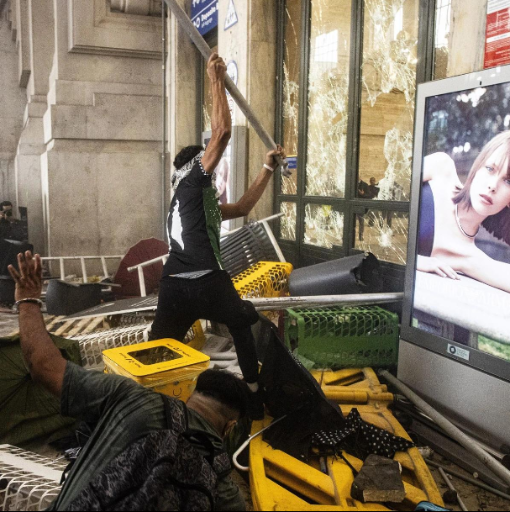
Milan, the epicenter of recent street violence, is now a key focus of the government’s intensified security strategy. An additional 500 military personnel have been deployed under Operation Strade Sicure to patrol high-risk areas and reinforce police presence through year-end. The crackdown follows incidents of vandalism, looting, and direct confrontations with law enforcement—though many protests also reflected public frustration over rising living costs, energy bills, and housing shortages. Authorities maintain that economic hardship does not excuse violence, but critics argue such policies ignore systemic grievances.
The protest paradox: repression vs. legitimate dissent
While the decree targets violent factions within demonstrations, it has also intensified scrutiny of all public assemblies. Critics argue that the broad legal definitions—particularly around “danger to public safety”—risk conflating peaceful protest with criminal behavior. Police unions and civil liberties advocates warn that the expanded preventive powers and pre-trial detention for minors aged 14 to 17 could lead to disproportionate enforcement and undermine fundamental rights.
Legislative hurdles loom as decree takes effect
Though the decree entered into force immediately, its long-term survival hinges on parliamentary approval within 60 days—a process expected to face significant opposition. Notably, proposals to grant military personnel expanded policing powers in Milan were abandoned following objections from the presidential office, signaling potential constitutional hurdles ahead.
The unfolding controversy underscores a broader national dilemma: Can Italy restore public order through stricter penalties and surveillance, or will these measures deepen divisions and fuel further unrest? As the debate intensifies, the true test may lie in whether the government’s approach can protect both security and the principles of free expression.