Following the latest attacks near Fada N’Gourma and in Bam Province, Burkina Faso’s jihadist groups are facing mounting public scrutiny over their growing influence and the government’s response. The Group for the Support of Islam and Muslims (JNIM), linked to Al-Qaeda in the Sahel, has publicly claimed responsibility for two assaults, reigniting debates over the country’s deteriorating security situation.
Public reaction and political fallout from the attacks
The JNIM’s claims have sparked sharp reactions across Burkina Faso, with citizens and analysts questioning the effectiveness of counter-terrorism efforts. The attacks, which targeted both military and civilian forces, have intensified calls for a reassessment of the government’s security strategy. Protests have emerged in several regions, demanding stronger protection and accountability from local authorities.
As the jihadist group’s influence expands, public discourse is shifting from skepticism to frustration. Many are questioning whether the current military approach is sufficient to curb the violence or if a more comprehensive strategy—including intelligence sharing and community engagement—is needed to restore stability.
Jihadist tactics: ambushes and explosive threats
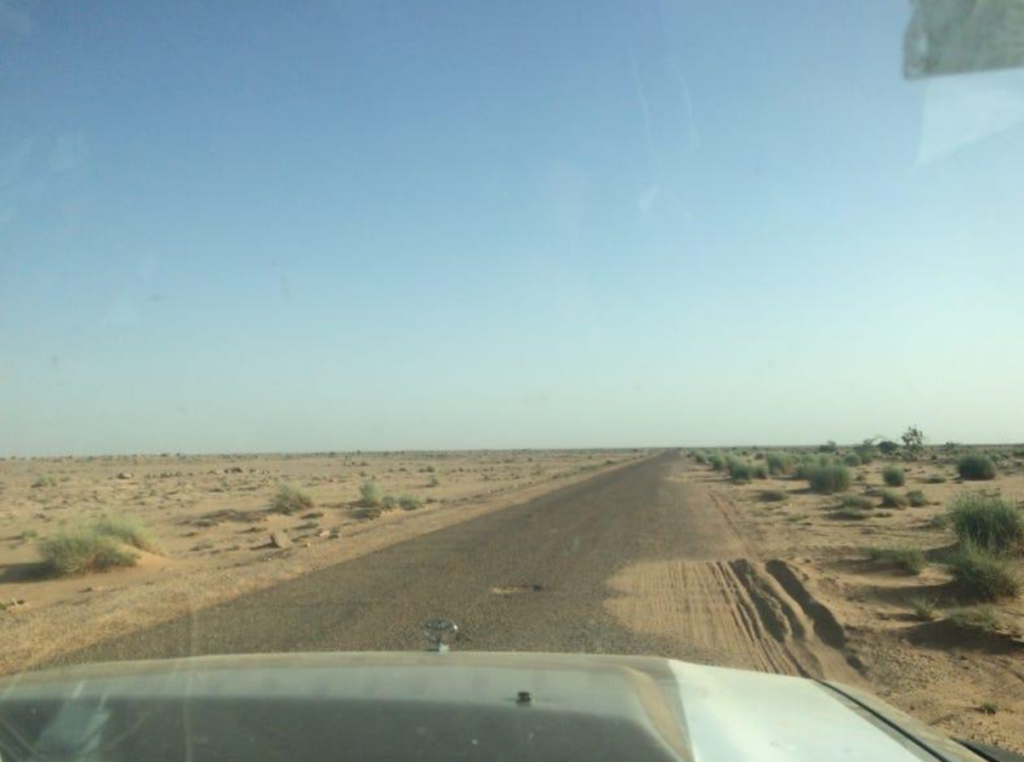
The JNIM’s latest operations highlight the group’s evolving tactics. In the first attack, near Fada N’Gourma, the group reportedly destroyed a military armored vehicle using an improvised explosive device (IED). This method, commonly used by jihadist factions in the Sahel, disrupts supply routes and creates fear among both civilians and security forces.
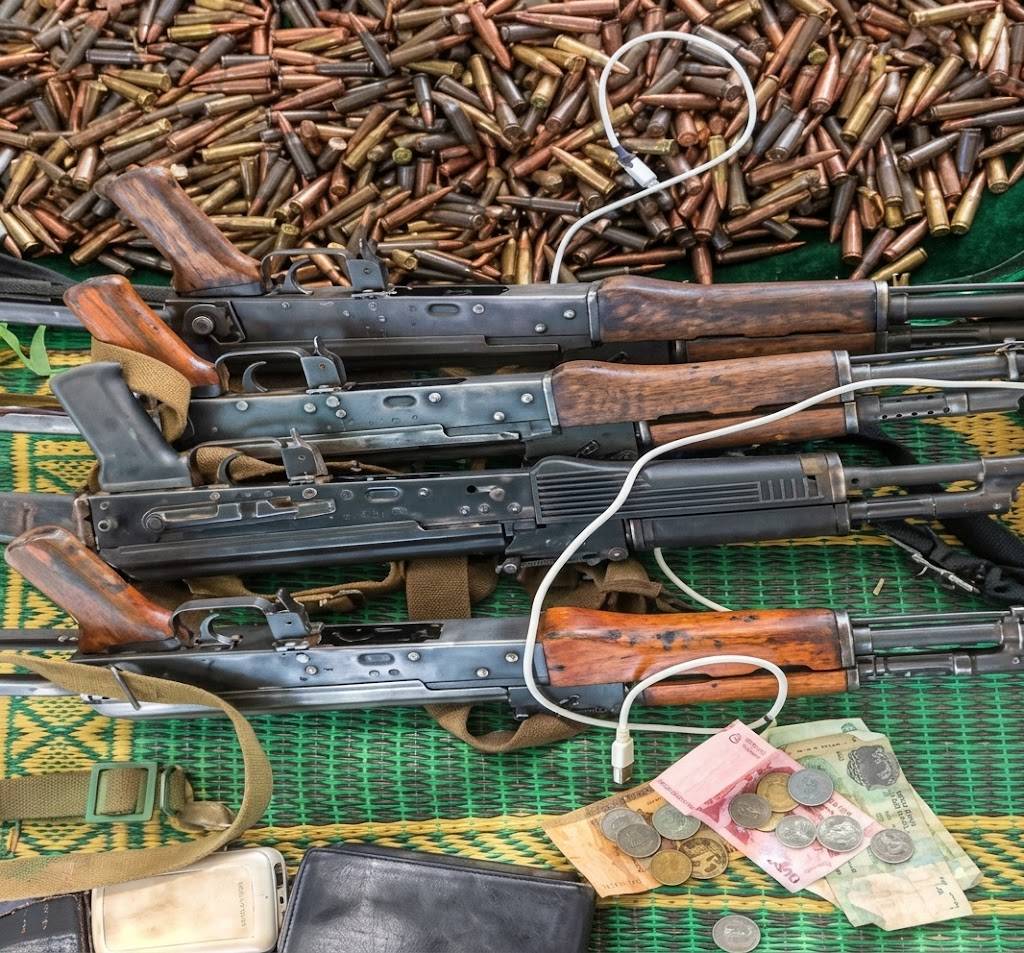
The second attack, in Bam Province, targeted civilian militias known as the Volunteers for the Defense of the Homeland (VDP), resulting in three militia deaths and the seizure of automatic weapons. While the exact details remain unverified, the claim underscores the vulnerabilities of locally recruited forces operating in high-risk zones.
Military setbacks and civilian consequences
Burkina Faso’s security forces have faced repeated setbacks as jihadist groups extend their reach across the country. The attacks in Fada N’Gourma and Bam Province are part of a broader pattern of violence that has displaced thousands, disrupted supply chains, and crippled economic activity in rural areas.
The use of IEDs and ambushes has become a persistent threat, particularly along key transit routes. These tactics not only inflict material and human losses but also erode public trust in the government’s ability to protect citizens. Schools, healthcare centers, and markets in affected regions operate under duress, with frequent closures and restricted access.
What’s next for Burkina Faso’s security crisis?
The JNIM’s recent claims serve as a stark reminder of the challenges ahead. For the government, the priorities include securing critical infrastructure, protecting civilians, and curbing the proliferation of weapons among armed factions. However, military solutions alone may prove insufficient without robust intelligence networks and community-based initiatives.
As public pressure mounts, the debate over Burkina Faso’s security strategy intensifies. Will the state reinforce its military presence, or will it pivot toward long-term solutions that address the root causes of instability? The coming months will be decisive in determining whether the current trajectory can be reversed.