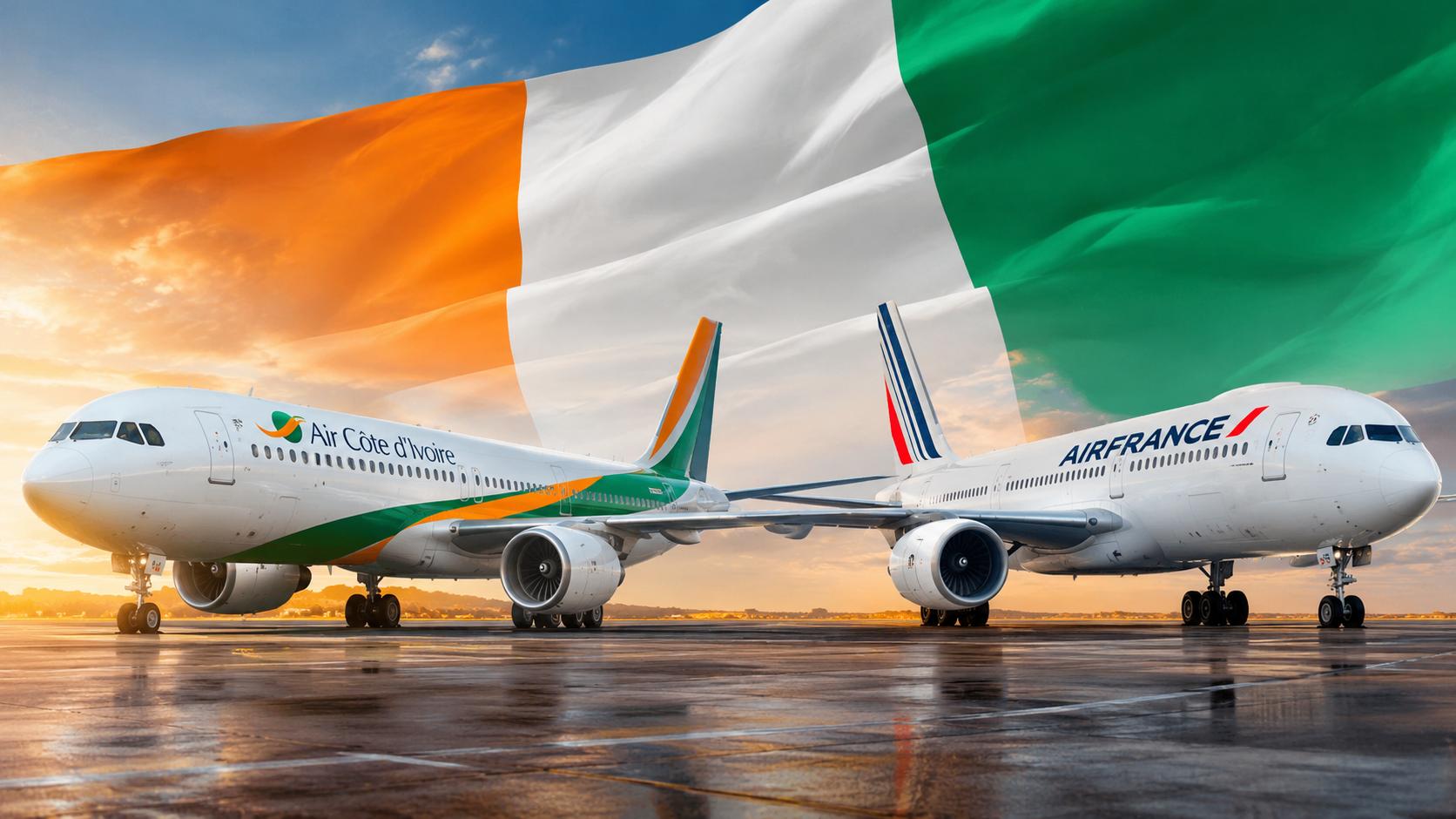
As the dust settles on the highly anticipated codeshare partnership between Air Côte d’Ivoire and Air France set to launch in late 2026, stakeholders are divided over the potential consequences of the deal. Industry analysts, passenger advocates, and competitors are now debating what this collaboration means for air travel between Abidjan and Paris—and beyond.
What the new codeshare means for travelers
The reciprocal agreement allows both airlines to sell seats on each other’s flights under their own flight codes, expanding options for passengers flying the Paris–Abidjan route. Under the deal:
- Air France will sell tickets on Air Côte d’Ivoire-operated flights under its own flight numbers.
- Air Côte d’Ivoire will market flights operated by Air France using its airline code.
While the actual flight remains unchanged, the expanded booking channels and synchronized schedules promise greater convenience and choice for travelers. Analysts suggest this could lead to increased competition and potentially lower fares on the lucrative West Africa–Europe corridor.
Loyalty programs to merge by year-end, raising both hope and skepticism
The partnership extends beyond seat sales. Both carriers confirm plans to integrate their frequent flyer programs, sMiles and Flying Blue, by the end of 2026. Members of Air Côte d’Ivoire’s sMiles program will be able to earn and redeem miles on Air France flights between Paris and Abidjan, and vice versa.
While this integration could boost customer loyalty and brand appeal, skeptics question whether it will deliver real value or simply serve as a marketing strategy to lock passengers into a single ecosystem. Travel industry watchers are closely monitoring the rollout to see if the promise holds up in practice.
Rival carriers voice concerns over market dominance
The expansion of the codeshare agreement is drawing criticism from other airlines operating in the region. Some warn that the strengthened alliance may create an uneven playing field, particularly for smaller carriers competing on the same route. Concerns include:
- Reduced visibility for independent operators.
- Potential fare suppression due to enhanced pricing power.
- Risk of monopolistic behavior as Air France and Air Côte d’Ivoire deepen their integration.
Experts suggest that regulatory scrutiny may intensify as the partnership evolves, especially if the alliance begins to encroach on other international routes under Air France’s global network.
Air Côte d’Ivoire’s global ambitions hinge on French partnership
For Air Côte d’Ivoire, the codeshare agreement represents a strategic gateway to broader international reach. The airline has announced plans to extend the collaboration to additional Air France routes within six months of launch. By leveraging Air France’s extensive global distribution network, the Ivorian carrier aims to strengthen its presence on the West African–European axis and enhance access to Abidjan from key international markets.
The success of this initiative could redefine the airline’s role in the region, positioning it as a major player in long-haul connections. Yet, the outcome remains uncertain as industry observers question whether the alliance will translate into meaningful growth or remain a symbolic gesture of Francophone solidarity.
What’s next: public debate and regulatory response
Public reaction to the partnership has been mixed, with both optimism and caution dominating discussions online and in travel forums. Consumer advocates are calling for greater transparency in pricing and seat availability, while industry analysts are urging authorities to monitor the agreement’s competitive impact.
As the implementation date approaches, all eyes are on the expected benefits for passengers—and the potential unintended consequences that could reshape air travel in West Africa and beyond.