Why Bamako’s six-month cattle export freeze is igniting a political and economic firestorm
The Malian government’s decision to halt cattle exports for six months has intensified scrutiny over its economic policies, exposing deep divisions about whether coercive measures can curb rising meat prices or whether they will deepen a growing crisis. While authorities frame the ban as a safeguard for local consumers, critics argue it represents a dangerous overreach that punishes private entrepreneurs, destabilizes regional trade networks, and undermines investor confidence in Mali’s economic future.
Nationalization of blame: how the state targets private operators under economic pressure
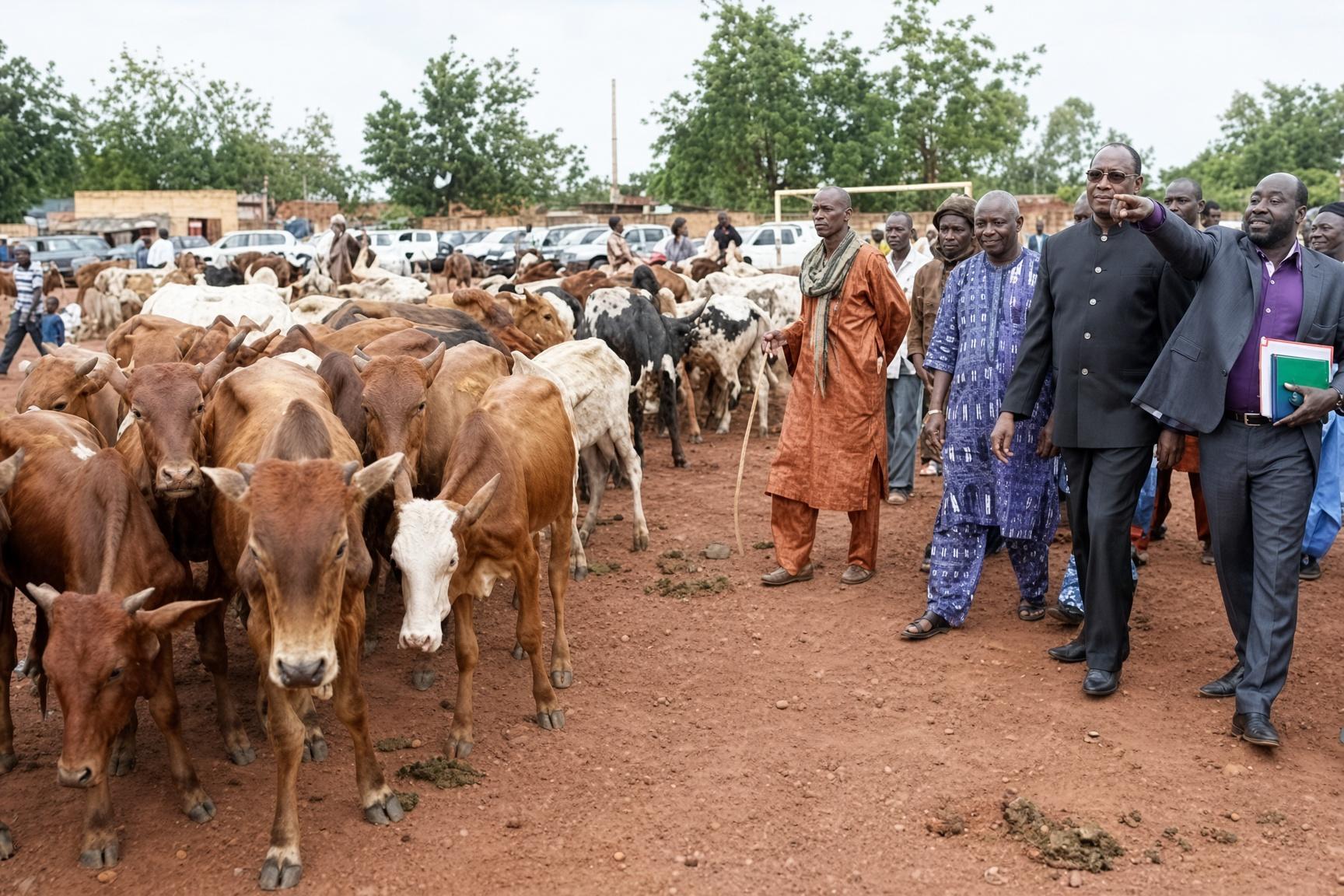
The move follows mounting public frustration over escalating meat prices, a symptom of broader economic instability. Instead of addressing underlying issues such as disrupted supply chains, soaring feed costs, and chronic insecurity on major trade routes, the state has chosen to shift responsibility onto private livestock exporters. By suspending exports—a key revenue stream for Mali—authorities are effectively demonizing entrepreneurs who have long powered the country’s third-largest export sector, contributing over $150 million annually to the national economy.
Under the guise of protecting household purchasing power, the government has imposed a blanket ban on cattle shipments to neighboring countries including Senegal, Côte d’Ivoire, and Guinea. Yet critics warn this sudden policy shift is nothing short of economic strangulation, threatening thousands of jobs in livestock transport, trade, and processing sectors that have already been battered by inflation and logistical extortion on transit corridors.
The real drivers of soaring meat prices—and why export controls miss the mark
Analysts point to a web of structural issues driving meat prices upward: the arbitrary relocation of cattle markets by administrative fiat, skyrocketing animal feed prices due to import restrictions, and the proliferation of illegal checkpoints that inflate transport costs by up to 30%. Rather than dismantle these man-made obstacles, the government has opted for a blunt instrument—export suspension—that does nothing to resolve the root causes of price volatility.
Historical precedent offers little hope for success. Past episodes of heavy-handed price controls and export bans in Mali have consistently backfired, breeding mistrust among producers and stifling incentives for investment. Why would a cattle farmer invest in herd modernization or improved breeds if the state can abruptly shut down access to more lucrative regional markets overnight?
A self-inflicted economic wound: risking regional partnerships and investor trust
The ban threatens to sever 99% of Mali’s bovine exports, a pillar of the national economy that supports rural livelihoods and sustains cross-border trade networks. By prioritizing short-term political signaling over economic pragmatism, Bamako risks sending a chilling message to international partners: Mali’s business environment is unpredictable, its regulatory framework unreliable, and its commitment to free enterprise conditional at best. In an era where African economies vie for foreign direct investment, such policy volatility is a major deterrent.
What’s next? Can Mali break from past mistakes or will dirigisme prevail?
The coming weeks will reveal whether Mali doubles down on its punitive approach or pivots toward structural reforms. Real solutions lie not in export bans but in restoring confidence in the rule of law, securing transit routes, reducing administrative burdens, and fostering an environment where private actors can innovate and compete freely. Until then, the livestock sector—and the millions of livelihoods it sustains—remain hostages to policy experiments with uncertain outcomes.
Key takeaways
- The six-month export ban targets private livestock exporters under the pretext of protecting consumers, but risks deepening the crisis.
- Underlying causes of high meat prices—disrupted markets, feed inflation, and road insecurity—are being ignored in favor of coercive measures.
- Similar bans in the past have failed and discouraged investment, threatening long-term food security.
- The decision threatens over 99% of Mali’s bovine exports and undermines investor confidence in the country’s economic stability.