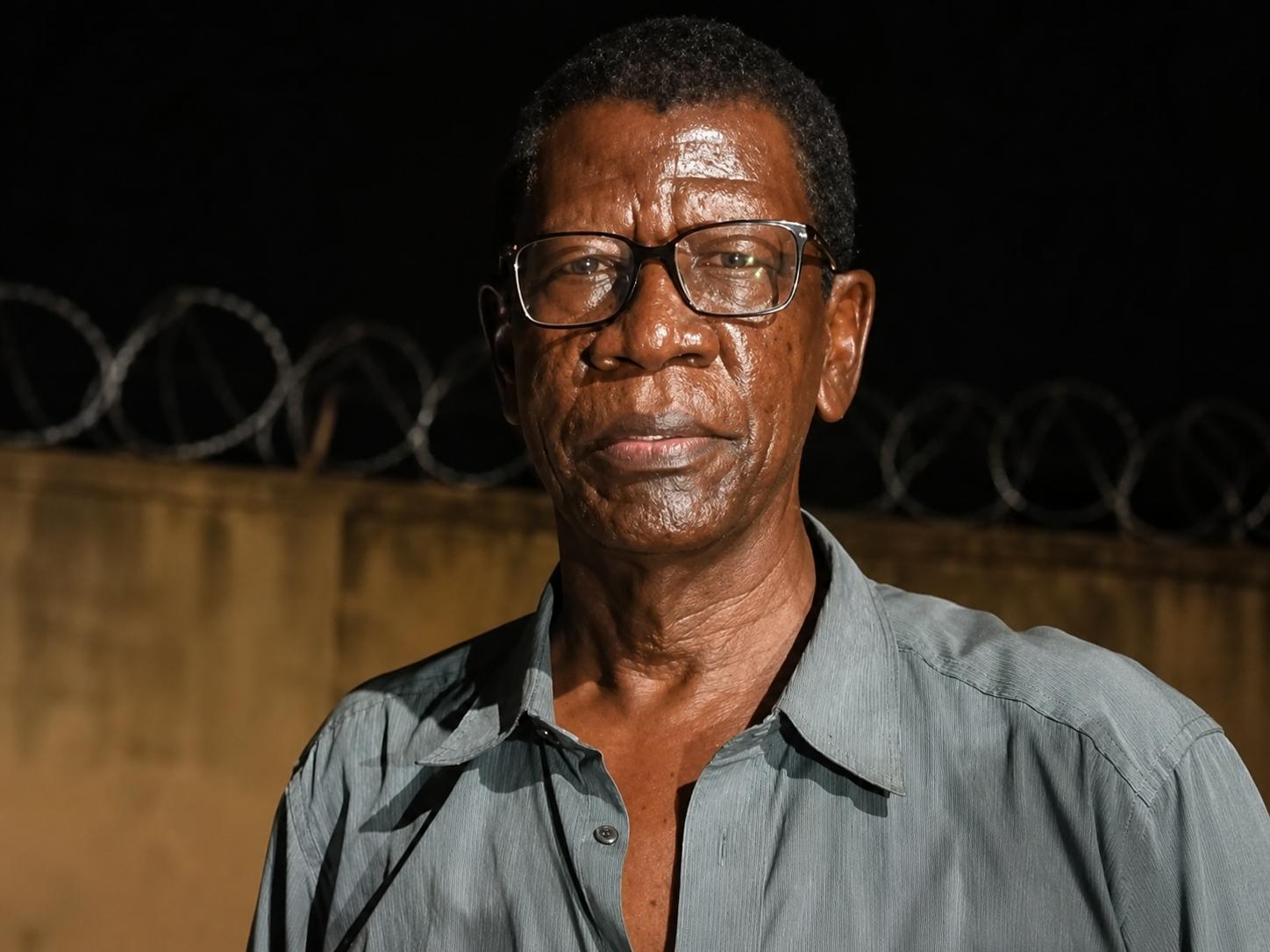
The arrest of Moussa Kaka, a prominent Nigerien journalist and human rights defender, has ignited a fierce debate over press freedom and government accountability in the country. Since his detention began weeks ago, mounting pressure from media advocates and civil society groups has forced authorities to acknowledge his status—yet the lack of transparency surrounding his case continues to fuel outrage.
From silence to forced accountability: the state’s delayed response
Moussa Kaka vanished after leaving his Niamey office on August 31, 2026. For days, officials remained tight-lipped, leaving his family, colleagues, and press freedom organizations in the dark. Rumors of enforced disappearance swirled until government spokespeople finally confirmed his detention—though without disclosing the reasons or location.
This belated admission, while easing immediate fears about his safety, has done little to quell concerns about the legality of his confinement. Critics argue that the state’s delayed response only underscores deeper systemic issues in Niger’s justice system.
What the law demands—and what authorities still refuse
The detention of a journalist without clear charges is more than a legal gray area; it strikes at the heart of constitutional protections. Advocacy groups are now pushing back with a series of unanswered demands:
- Immediate disclosure of charges: “The public deserves to know what crime he is accused of,” say media watchdogs. Without this transparency, the detention risks being seen as politically motivated punishment.
- Access to detention conditions: Concerns persist over Kaka’s wellbeing, including his location, treatment, and access to legal counsel. Independent observers insist on verified proof of his conditions.
- Protection of due process: The right to a fair trial and uninterrupted legal representation remains non-negotiable. Any deviation from standard procedures could signal a dangerous erosion of judicial independence.
These demands reflect broader fears that Niger’s current leadership is using national security as a pretext to sidestep constitutional safeguards for journalists.
Press freedom under siege? The stakes of Moussa Kaka’s case
The timing of Kaka’s arrest is no coincidence. Since the country entered a transitional government phase, investigative journalism has faced unprecedented scrutiny. Reports of restricted access, surveillance, and arrests of reporters have become alarmingly frequent, raising questions about whether safety concerns are being exploited to silence dissent.
Moussa Kaka’s detention is now a critical test case. Will the authorities uphold the rule of law—or will they continue to weaponize detention to exert control over the media? The outcome of this case could redefine Niger’s commitment to press freedom for years to come.
What’s next for Niger’s embattled press corps?
As the debate intensifies, one thing is clear: the international spotlight on Niger’s media crackdown is growing. With civil society and media alliances strengthening their calls for justice, the government faces growing pressure to either justify Kaka’s detention or release him immediately. The coming weeks will be decisive in determining whether Niger can reverse its troubling trajectory toward curbing free expression.