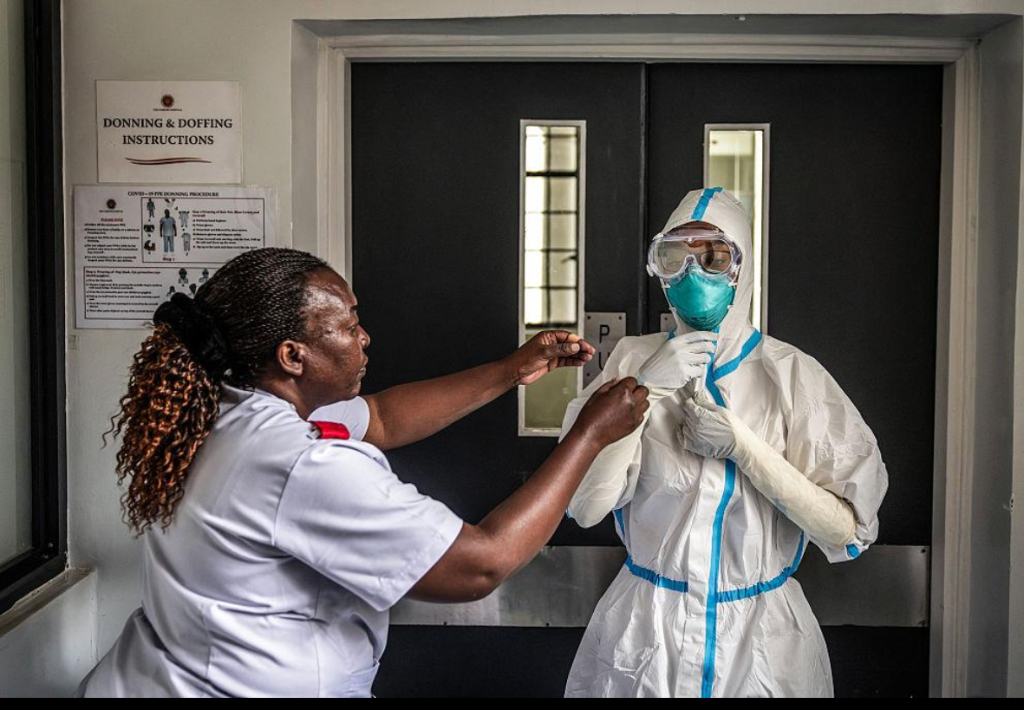
With the confirmation of Nigeria’s first Ebola case in years, public health officials and citizens alike are confronting a fresh wave of unease. The arrival of the Bundibugyo virus strain—imported into Abuja through a recent traveler—has reignited debates about the country’s preparedness and the broader risks facing West Africa as the epidemic spreads beyond Central and East Africa.
From containment to reaction: how Nigeria’s health system is responding
The Nigerian government announced late Tuesday that a woman who had recently traveled through East Africa had tested positive for Ebola virus disease. Identified as a recent arrival from Uganda via eastern Democratic Republic of the Congo (DRC), the patient was isolated immediately upon symptoms appearing on October 7 and confirmed via lab test on October 20. Authorities have now traced 44 close contacts for monitoring, a critical step in preventing any secondary transmission.
Health Minister Muhammad Ali Pate confirmed the case during a national briefing, emphasizing the dual challenge of rapid detection and controlled isolation. “She is in isolation and receiving appropriate medical care,” Pate stated. “Contact tracing is underway, and all identified individuals are being closely monitored.” The swift identification has drawn cautious praise, signaling improved surveillance compared to previous outbreaks.
The widening footprint of a shifting epidemic
Since May 2026, the current Ebola outbreak—linked to the Bundibugyo strain—has spread from the DRC to neighboring countries, including Kenya, where nine cases have now been confirmed. Nigeria becomes the fifth African nation to record an infection this year, raising concerns about cross-border spread via air travel, trade routes, and regional mobility.
While the Ugandan transit point remains under investigation, health authorities stress that the exact location of the patient’s exposure is still unknown. “Transit alone does not confirm infection occurred in Uganda,” Kampala’s health officials noted. This ambiguity underscores the difficulty of pinpointing transmission chains in a region where movement is constant and borders porous.
Can lessons from the 2014–2016 outbreak prevent another crisis?
The memory of the devastating West Africa Ebola epidemic lingers. Between 2014 and 2016, over 11,000 lives were lost across Guinea, Liberia, and Sierra Leone, with Nigeria’s swift response credited with preventing a full-blown domestic outbreak. That experience now informs today’s response strategy: early detection, isolation, and contact tracing.
Yet the stakes are higher today. Nigeria, Africa’s most populous country, serves as a regional hub. A single undetected case could rapidly escalate into a multi-state emergency. The activation of the national response framework—led by the Federal Ministry of Health, the Nigeria Centre for Disease Control (NCDC), the World Health Organization, and Africa CDC—reflects a coordinated effort to contain the threat at key entry points, labs, and health facilities.
What steps are being taken?
- Enhanced surveillance at airports and land borders
- Rapid laboratory confirmation of suspected cases
- Mandatory isolation of confirmed patients
- Daily monitoring of 44 high-risk contacts
- Public education campaigns on symptoms and prevention
What comes next? Public debate and policy scrutiny intensify
The emergence of this case has triggered national debate about whether Nigeria’s health infrastructure is resilient enough to face a potential surge. Critics question whether underfunded rural clinics and inconsistent infection control protocols could hamper rapid containment. Supporters argue that improved coordination and past experience are now paying dividends in early detection.
Civil society groups have called for greater transparency in sharing case details and urged the government to expand community engagement to counter misinformation. “We cannot afford another cycle of fear and delayed reporting,” said a health advocacy leader. “Trust in the system is essential to encourage people to seek care quickly.”
How Ebola spreads—and what individuals need to know
Ebola virus disease is not airborne. Transmission occurs only through direct contact with bodily fluids—such as blood, vomit, or sweat—from an infected person who is already symptomatic. Common early symptoms include high fever, muscle pain, fatigue, and gastrointestinal distress. Severe cases may progress to bleeding and organ failure.
Public health officials urge anyone who has traveled to affected regions or had contact with a confirmed case to monitor their health for 21 days and report fever or unusual symptoms immediately. “Do not self-medicate or avoid care,” officials warned. “Early treatment can save lives and prevent spread.”
Balancing urgency with calm: the road ahead for Nigeria and West Africa
Although a single imported case does not constitute an outbreak, its arrival is a stark reminder of the virus’s unpredictable trajectory. Nigeria’s response will be watched closely by neighbors, including Benin, Togo, and Ghana, all of which have historical ties to regional travel and trade.
The coming weeks will reveal whether the country’s health system can act with the speed and coordination required to prevent further spread. Meanwhile, the global health community continues to monitor developments, with Africa CDC calling for “heightened vigilance across all member states.” The message is clear: in a region on the move, a single case is a shared responsibility—and time is of the essence.