The deadly ambush on the Agadez-Arlit highway in northern Niger has sparked intense public debate over road safety and the government’s ability to secure critical transport corridors. As families mourn the victims and survivors seek answers, the attack underscores the fragile state of travel security in a region already on edge.
What happened on the Agadez-Arlit highway?
On the evening of October 20, 2026, armed assailants ambushed a convoy of passenger buses approximately 35 kilometers from Agadez, along the strategic route leading to Arlit. Initial reports indicate the attackers used three vehicles to isolate and strike the bus carrying civilians and members of the Nigerien armed forces.
The exchange of gunfire was intense, resulting in at least eleven fatalities—ten civilians and one security personnel—along with numerous injuries, some critical. Authorities have yet to confirm the identity of the attackers, their motives, or issue an official statement on the incident.
Why does this attack demand urgent attention?
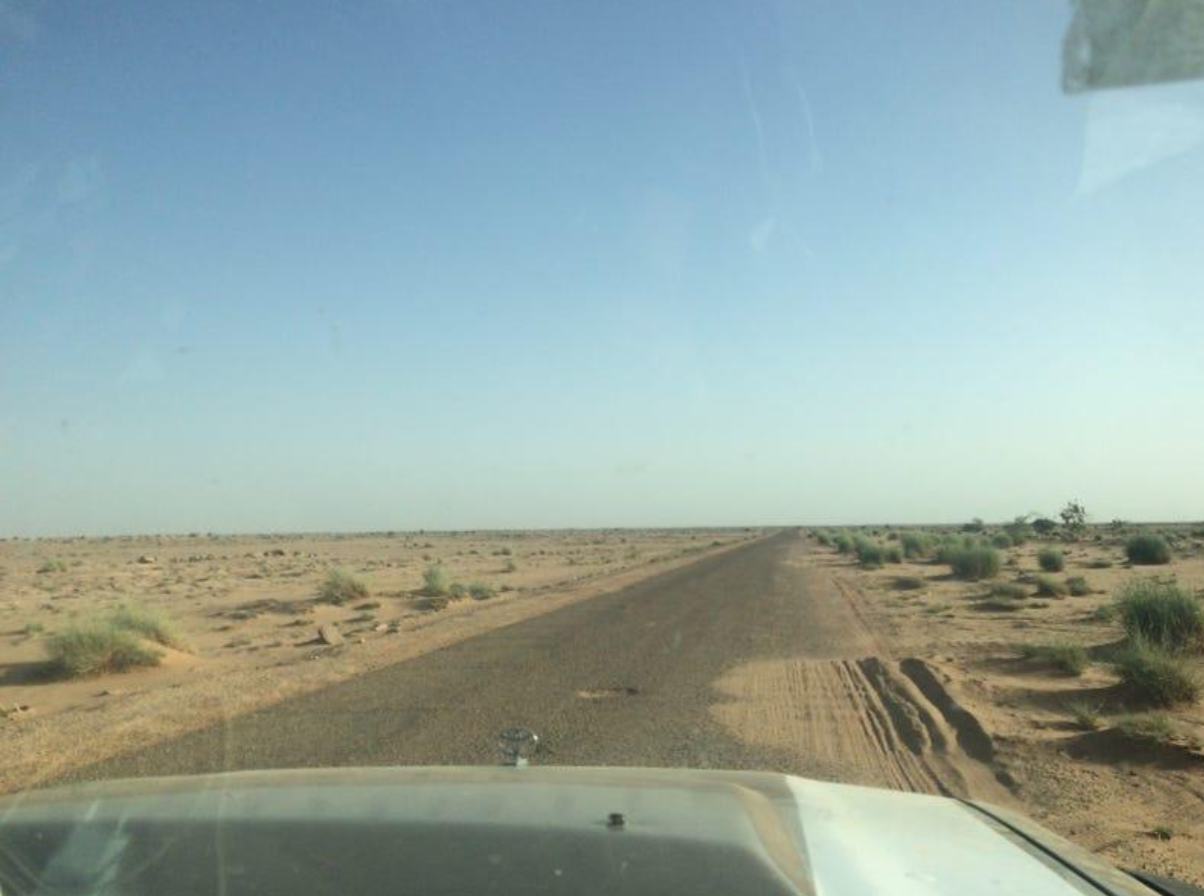
This attack is not an isolated incident but part of a growing pattern of violence targeting transport routes in northern Niger. The Agadez-Arlit corridor is a vital lifeline, connecting rural communities to economic centers, markets, and essential services. The vulnerability of this route directly impacts daily life, commerce, and the safety of local populations who rely on it for travel and trade.
For transport operators, the incident raises serious concerns about liability and protection. Passengers, already accustomed to long journeys across vast desert regions, now face unthinkable risks. The psychological toll on travelers and families is immense, with many questioning whether it’s even safe to travel by road anymore.
How is the government responding to growing insecurity?
The attack exposes significant gaps in the government’s ability to secure major transport arteries, particularly in the remote Sahara. With vast distances, limited surveillance, and rugged terrain, protecting travelers remains a monumental challenge. The presence of security personnel on board the targeted bus raises additional questions about response protocols and the effectiveness of on-the-ground protection.
Efforts to strengthen security must go beyond reactionary measures. Coordination between military, local authorities, and transport stakeholders is crucial to improving early warning systems, enhancing patrol coverage, and establishing safe evacuation procedures for victims. Transparent communication with the public is equally vital to prevent misinformation and alleviate panic.
What comes next for families and travelers?
The road to recovery for victims’ families is fraught with uncertainty. Many are demanding clarity on the circumstances of the attack and the identities of those killed. Meanwhile, affected communities are weighing their options—whether to continue using the highway at all, or to seek alternative, albeit costly or time-consuming, routes.
For the broader public, the attack serves as a stark reminder of the human cost of unchecked insecurity. Without decisive action to secure the Agadez-Arlit corridor, the cycle of fear and disruption will only deepen. The nation now watches closely: will this tragedy be a turning point, or just another grim chapter in the ongoing struggle for safety on the road?
Can trust in travel be restored?
Rebuilding confidence in road travel begins with accountability. If the provisional death toll is confirmed, the government must act swiftly to launch a thorough investigation, share verified findings with the public, and implement tangible measures to prevent future attacks. Civil society, transport unions, and affected families all have a role to play in advocating for lasting solutions.
Until then, the families of the victims remain in mourning, travelers feel trapped between necessity and fear, and the Agadez-Arlit highway continues to symbolize both resilience and vulnerability in the face of rising insecurity.