Controversy erupts over Congo’s funds flowing to Texas defense contractor linked to Trump orbit
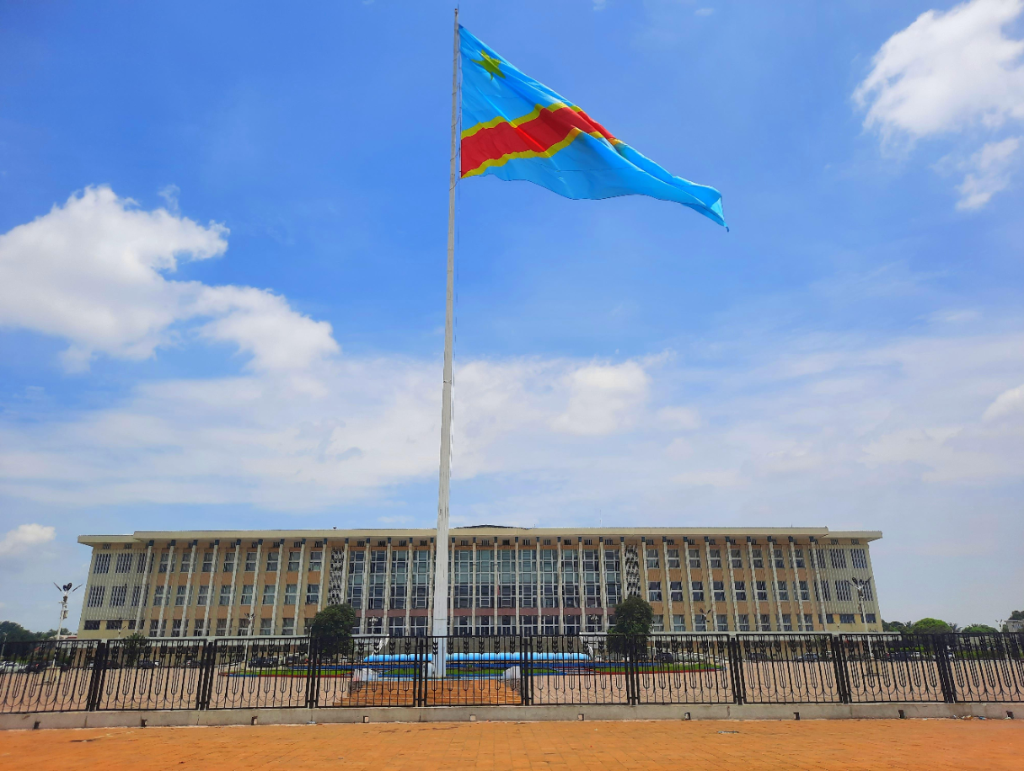
A $17.6 million transfer from a Democratic Republic of Congo (DRC) government account to a Texas-based defense company is now sparking heated debate in Washington—and raising fresh questions about transparency in cross-border transactions. The payment, made in May 2025 to Texas Armament & Technology (TX-AT), has become a focal point for critics, who point to the unusual path of funds and the potential influence wielded by figures connected to former U.S. President Donald Trump. As federal reviewers dig deeper, the transaction’s origins, intended purpose, and actual beneficiaries remain shrouded in uncertainty.
Questions pile up over missing millions intended for a Washington landmark
The timeline of the transfer is clear: on May 29, 2025, $17.6 million was moved from a DRC Ministry of Finance account to TX-AT. But it’s not the sheer size of the payment that’s drawing attention—it’s the possibility that a portion of it was meant for a very different destination.
According to filings and internal communications reviewed by investigators, approximately $5.6 million of the total was allegedly slated to be routed to the Kennedy Center in Washington, D.C.—a high-profile arts institution where Richard “Ric” Grenell, a Trump ally and former U.S. ambassador, served as chairman at the time. Yet, despite the recorded designation, no trace of such a donation has been found in the Kennedy Center’s accounts or public disclosures. The discrepancy has fueled speculation about whether the funds were diverted or simply never reached their stated goal.
Questions linger: Was the Kennedy Center a cover, a legitimate beneficiary, or a mislabeled recipient? Without verifiable documentation, the line between oversight and impropriety remains unclear.
Grenell denies wrongdoing amid political fallout
Richard Grenell, a longtime Trump confidant with a history in U.S. diplomacy and conservative media circles, has become a central figure in the controversy. Reports suggest internal communications appeared to tie financial support for the Kennedy Center to promises of access—including meetings with Trump and invitations to exclusive events. Grenell has forcefully rejected the allegations, calling them politically motivated and insisting he never requested or approved the diversion of Congo’s funds.
The White House’s ongoing review highlights the sensitivity of the case, which intertwines public cultural funding, defense industry contracts, and potential conflicts of interest. While no charges have been filed, the scrutiny reflects broader concerns about the accountability of transnational financial flows.
DRC under spotlight: where did the money come from and where did it go?
For the DRC, the stakes are high. If the funds originated from public coffers, the nation’s citizens have a right to know why such a large sum left the country and what, if anything, Kinshasa received in return. The transaction raises critical questions:
- Contractual basis: Was this a legitimate commercial deal, a donation, or something else entirely?
- Authorization: Who signed off on the transfer—and on what grounds?
- Counterpart: What goods, services, or benefits did the DRC receive for the payment?
- Ultimate recipient: Did the Kennedy Center ever receive the expected $5.6 million?
With no publicly available contract or detailed accounting, the opacity of the deal has led to calls for stricter oversight of international payments involving public funds.
Turhan Mildon’s ties to Congo add another layer of intrigue
Behind the scenes, Turhan Mildon—a Turkish businessman and majority shareholder in Milvest, a conglomerate with infrastructure interests in the DRC—has drawn attention. While his company operates in mining and construction sectors, no official link has been established between his ventures and the contested $17.6 million transfer. Still, the timing and scale of the payment have prompted observers to question whether private business dealings in Congo could have influenced public financial decisions.
Kinshasa faces pressure to clarify the transaction
With the world watching, the DRC government is under pressure to demystify the transfer. Transparency advocates argue that any public expenditure—especially one involving millions of dollars—must be accompanied by verifiable paperwork, proper approvals, and clear documentation of the goods or services provided. Failure to do so not only risks reputational harm but could also enable corruption and financial mismanagement.
For now, the investigation remains open. While no definitive evidence of misconduct has surfaced, the case underscores the need for stronger financial controls and greater accountability in cross-border transactions.
What happens next? The road to clarity remains uncertain
The White House review, combined with internal audits by DRC authorities, could soon bring long-overdue answers. But until then, the 17.6-million-dollar question lingers: Who decided to send Congo’s money to a defense contractor in Texas? And more importantly—where did it really go?
Until those answers emerge, the story remains a cautionary tale about the risks of opacity in global finance—and the enduring power of unanswered questions.