The sudden withdrawal of Western forces once hailed as neocolonial intruders has left the Sahel’s military juntas scrambling for new security partners. Yet Moscow’s Africa Corps is delivering more than just protection – it’s sending an ever-growing bill that threatens to drain fragile national budgets and deepen dependence on foreign firepower. As the dust settles on these new alliances, the public debate sharpens: what exactly are post-coup governments trading for their promised sovereignty?
From Anti-Colonial Rhetoric to Russian-Style Realpolitik
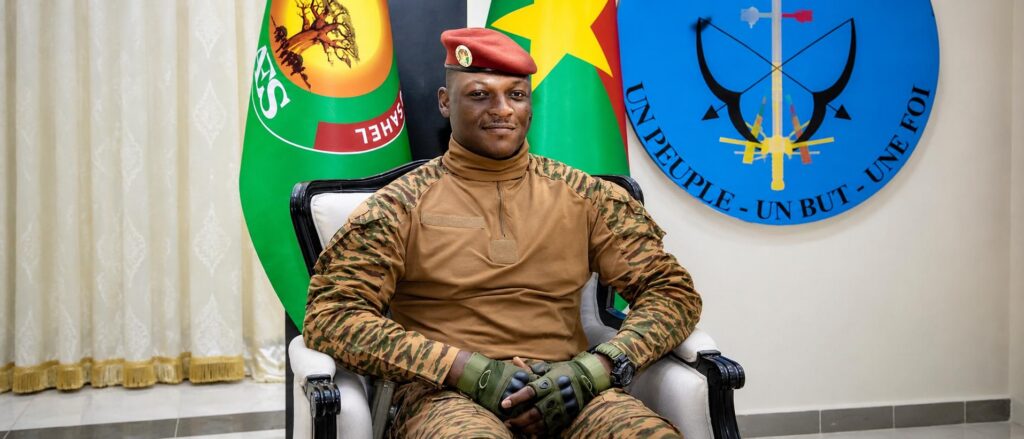
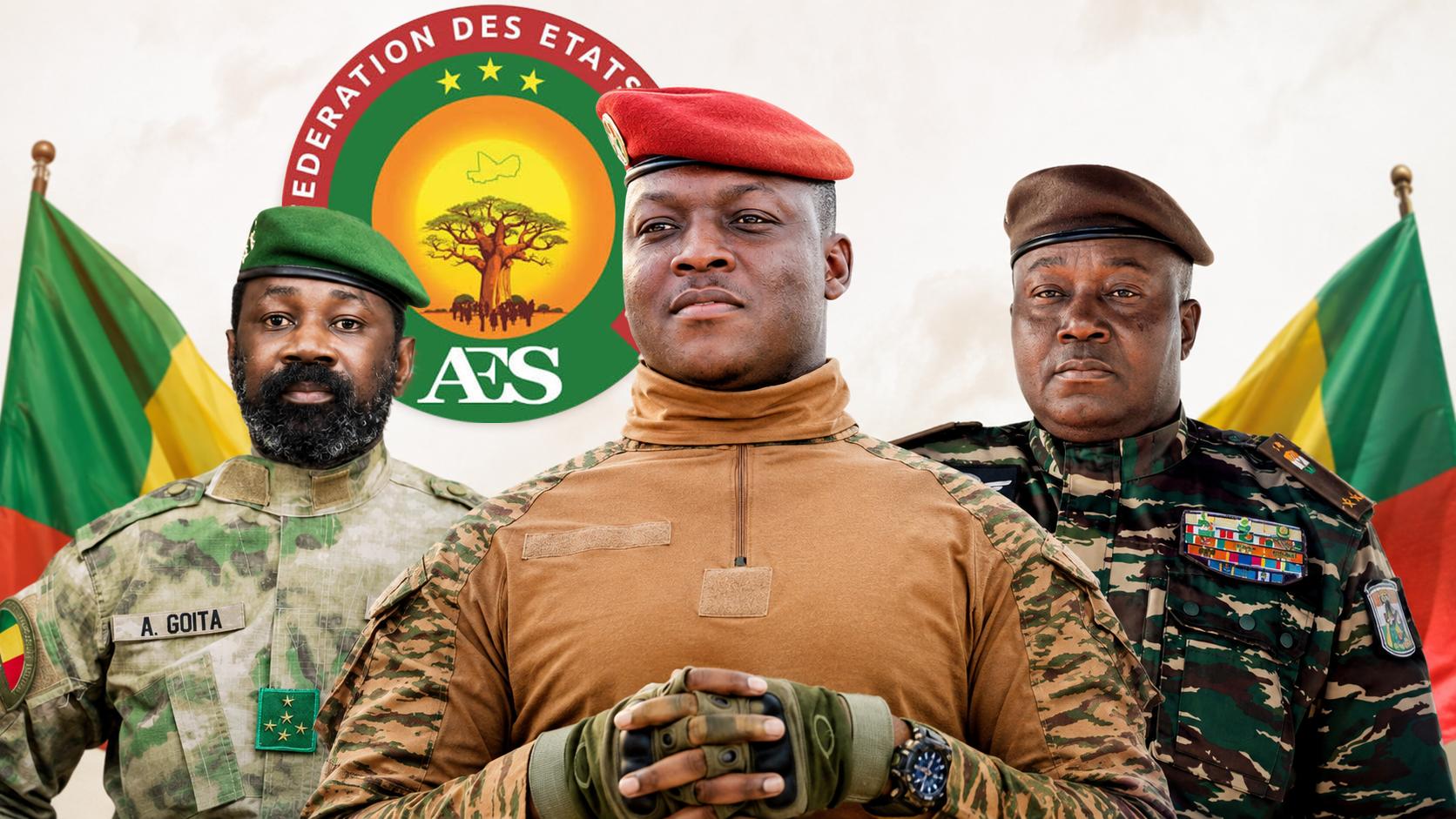
The trio of military transitions in Mali, Burkina Faso and Niger was framed as a break from former colonial powers and their inability to curb the jihadist tide. Speeches by colonels Goïta, Traoré and general Tiani painted the French withdrawal as liberation, not abandonment. By late 2023 the Alliance of Sahel States (AES) had enshrined this narrative in a collective defence charter, winning wide internal legitimacy.
But the reality emerging from Bamako, Ouagadougou and Niamey tells a different story. While the juntas spoke of regained autonomy, Moscow’s Africa Corps has quietly replaced Paris on the payroll—with conditions.
Bamako’s trillion-dollar gamble on Russia’s sword
Mali’s government has reportedly transferred over one billion dollars to Russian contractors since 2021, averaging ten million dollars each month. Budget records reviewed by regional analysts show these payments cover salaries, logistics and combat support for an estimated 1 000–1 500 Africa Corps operatives now stationed in central and northern Mali.
Unlike the training missions in Burkina Faso and Niger, the Russian units in Mali regularly engage in frontline combat, according to field reports. Despite the heavy outlay, no large-scale mining concessions have been formally transferred to Moscow, leaving Mali’s treasury to foot the bill outright.
Where the Rubber Meets the Road: Falling Territory and Rising Doubts
As the financial haemorrhage continues, the military gains touted by junta spokespeople are fading. In April 2026 the Africa Corps withdrew from the Kidal region after sustained rebel counter-attacks. Since then, rebel factions have reclaimed Tessalit, Anéfis and Aguelhok, while insecurity spreads south toward Gao and Ber. Urban strongholds remain under army control, but rural areas are slipping beyond the reach of the state.
Think tanks now warn that unless a comprehensive political settlement is reached, Mali could slide toward a fragmented protectorate model, with Moscow calling the security shots.
Sovereignty on paper? The hollow ring of operational freedom
Scholars at the International Crisis Group argue that the juntas have achieved a form of political sovereignty—the right to choose partners and reject Western demands—while losing the capacity to run their own defence. Diversifying suppliers to Turkey, Iran and China has broadened equipment options, yet the outsourcing of combat operations keeps a foreign power firmly in the driver’s seat.
Historians draw parallels with Cold War interventions in Angola and Ethiopia, where Soviet and Cuban support propped up regimes that later collapsed when external funding dried up. The Sahel’s juntas face the same risk: their new protector may be more reliable than the old, but it is still a patron.
What Comes Next: Can the Sahel Build a Truly National Army?
The central question facing the region is no longer whether to break with the West, but whether the new alliances can deliver genuine autonomy. Without a locally rooted chain of command, strategic planning and supply lines, even the most vocal sovereignist rhetoric risks sounding hollow. As aid packages grow and troop numbers rise, the juntas must decide: is the price of Russian protection worth trading one form of foreign tutelage for another?