As debates intensify across West Africa, Benin finds itself at the center of a growing controversy over the presence of the French news channel CNews in its broadcast landscape. The move, spearheaded by a senior presidential advisor, has ignited a national conversation on media accountability, cross-border discourse, and the limits of free expression.
Public outrage fuels demand for accountability
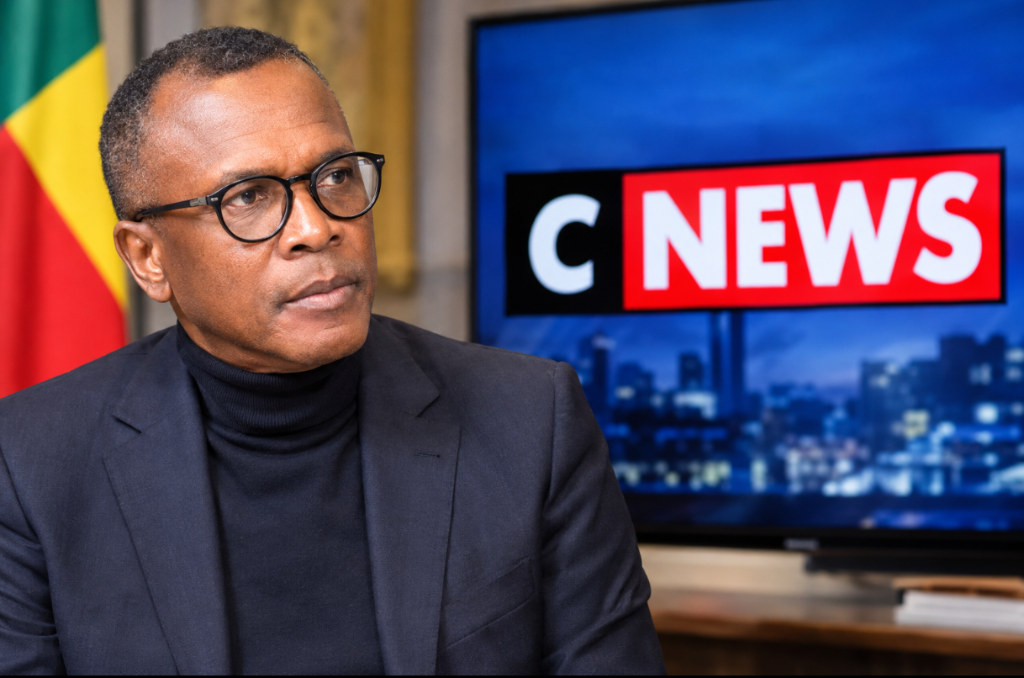
Claudy Siar, presidential advisor and prominent media figure, has called on Canal+ Benin to remove CNews from its local television packages, citing repeated on-air comments that he describes as racially inflammatory toward African audiences. Speaking at a press briefing in Cotonou, Siar condemned what he called a pattern of dehumanizing narratives about Africans, framing the issue not just as a French domestic matter but as one that directly affects Benin’s moral and social fabric.
“What may be tolerated in Europe cannot be accepted when broadcast into African homes,” Siar stated. “Every insult hurled at an African on those screens is an insult to our dignity as a people.”
Regulatory bodies poised to assess claims
Siar’s demand targets two key stakeholders: the regional office of Canal+ and the Beninese High Authority for Broadcasting and Communication (HAAC), the body responsible for media regulation. A meeting with HAAC leadership was scheduled for October 20 to formally lodge the complaint and explore potential regulatory action.
While a formal ban has yet to be enacted, the initiative underscores a broader reckoning with how foreign media content shapes local perceptions. Legal experts note that any withdrawal would hinge on evidence of repeated violations under Benin’s broadcasting laws, which require broadcasters to uphold human dignity and avoid hate speech.
CNews faces sanctions in France, but debate rages over their relevance
CNews has faced financial penalties totaling €80,000 in France since 2024, imposed by the regulatory body Arcom for violations including the dissemination of discriminatory statements. However, these rulings apply to specific programs and do not establish systemic racism across the channel’s entire output.
Critics argue that such precedents strengthen Siar’s position, while supporters of the channel contend that isolated incidents do not justify a blanket ban. The debate now turns to whether Benin’s regulatory standards, which emphasize social cohesion, should apply to content produced outside its borders.
Balancing free speech and dignity in a globalized media space
The controversy spotlights a global tension: how can nations protect citizens from harmful content without stifling cross-cultural discourse or overstepping diplomatic norms? Benin’s next steps—whether through negotiations with Canal+ or formal regulatory measures—could set a precedent for how African countries engage with foreign media that carry contentious narratives.
For now, the discussion remains open-ended. Canal+ has not publicly responded, and the HAAC has not indicated whether Siar’s complaint meets the threshold for intervention. What is clear is that the episode has forced a reckoning over who bears responsibility when media violence crosses borders—and what it means to defend dignity in the digital age.