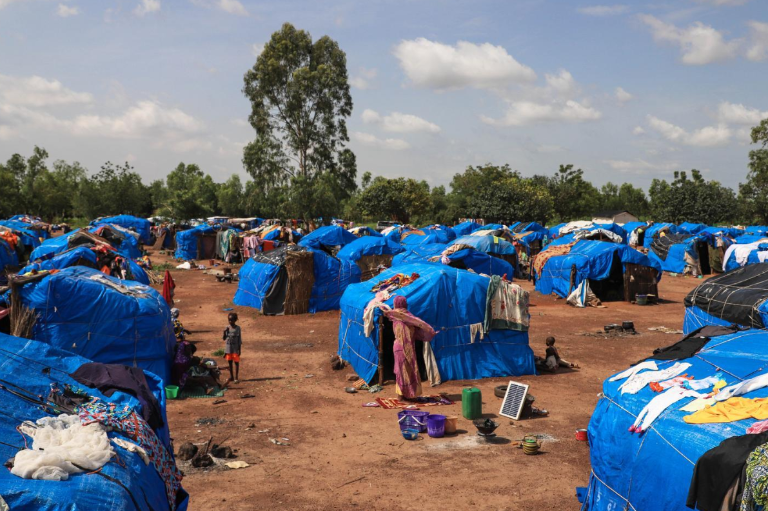
The aftermath of a suspected drone strike on a crowded market in Abyei has sparked intense reactions, with both nations pointing fingers as tensions escalate.
What happened in Abyei and why it matters
The attack on Amiet market, a vital commercial hub in the disputed Abyei region, left at least 73 civilians dead and 19 injured. According to local officials, the strike targeted multiple sections of the market, including fuel storage areas, complicating rescue efforts due to smoke and fire hazards.
The timing—midday in a high-traffic zone—maximized casualties, as traders from Sudan and South Sudan gathered to exchange goods like fuel, food, construction materials, and medicine. Witnesses described chaotic scenes as emergency teams struggled to navigate the smoldering wreckage.
South Sudan’s diplomatic response: A warning to Khartoum
The South Sudanese government swiftly summoned Sudan’s ambassador in Juba, delivering a formal protest over the attack. Authorities condemned the strike as a direct threat to regional stability and civilian safety, urging Khartoum to avoid actions that endanger lives.
The protest reflects Juba’s growing unease over Abyei’s unresolved status. Despite provisional agreements, the region’s strategic oil reserves and trade routes remain flashpoints. Since Sudan’s civil war erupted in 2023, cross-border commerce—including fuel supplies to Sudan—has been disrupted, fueling further instability.
Unanswered questions and growing skepticism
While local authorities blame Sudan’s armed forces for the strike, no independent verification confirms responsibility. The absence of an official Sudanese response has deepened mistrust, with calls for an impartial investigation intensifying.
Key unanswered questions include:
- Were military targets intentionally hit, or was the market collateral damage?
- Did the strike aim to disrupt fuel supplies, given Abyei’s role in regional trade?
- What precautions were taken to avoid civilian casualties?
Abyei’s fragile status: A powder keg for decades
Abyei’s unresolved territorial dispute dates back to South Sudan’s 2011 independence. With no permanent agreement, competing claims by nomadic Misseriya groups (tied to Sudan) and Ngok Dinka communities (linked to South Sudan) keep tensions simmering. The ongoing war in Sudan has further strained relations, as displaced populations and shifting alliances add layers of complexity.
The market’s dual role—serving as both a civilian lifeline and a potential military target—highlights Abyei’s precarious position. Its resources and location make it a pawn in broader conflicts, leaving locals caught in the crossfire.
Will this escalate or force accountability?
The diplomatic fallout is just beginning. South Sudan’s protest signals a tougher stance, but retaliatory measures remain unlikely—for now. The focus remains on emergency relief, victim identification, and, crucially, whether this tragedy will prompt concrete steps to protect civilians.
International humanitarian law demands accountability, but implementation hinges on political will. As families mourn and investigators piece together the attack’s origins, one question looms: Will this mark a turning point in regional tensions, or another chapter in Abyei’s long-standing crisis?
What’s next for Abyei and the civilian toll
Short-term priorities include:
- Medical care for the wounded and mental health support for survivors
- Transparency in casualty reporting and victim identification
- Pressure on both governments to de-escalate and engage in dialogue
The strike’s long-term impact depends on whether it galvanizes action—or deepens entrenched divisions. For Abyei’s communities, time is running out.