Shadows of war: civilian suffering in the heart of Mali’s conflict
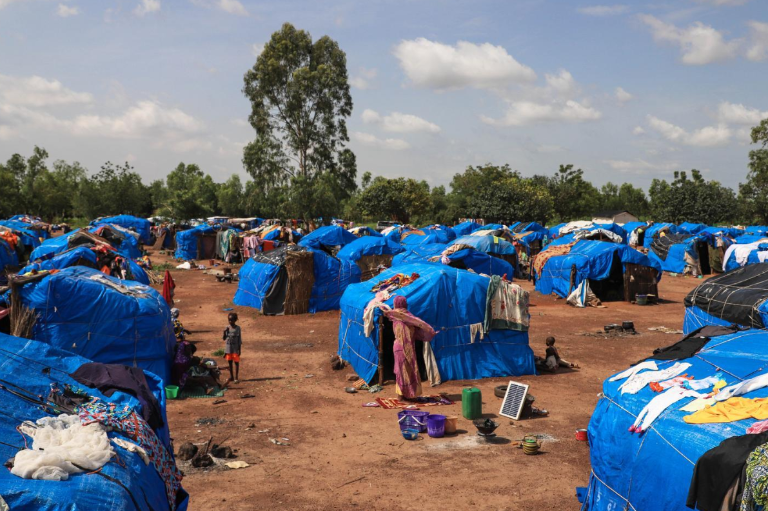
As the conflict in Mali rages on, a new wave of civilian casualties has ignited a fierce public debate over accountability and the urgent need for intervention. Reports of indiscriminate violence, including deadly drone strikes and targeted attacks, have thrust the crisis into the international spotlight, prompting urgent calls for the African Union to take decisive action.
The latest findings reveal a grim reality: both state forces and armed groups stand accused of violating international humanitarian law, with civilians bearing the brunt of the violence. How will the world respond to these escalating abuses, and what measures must be implemented to safeguard vulnerable populations?
Drone strikes and medical facilities: the human cost of ‘accidental’ attacks
On August 19, a drone strike on Tombonkore’s livestock market in the Bandiagara region left six civilians dead and at least 20 injured. Survivors and eyewitnesses recount a harrowing scene of destroyed stalls, wrecked motorcycles, and lifeless animals—no trace of armed combatants. According to local accounts, the attack occurred with no militant presence, raising serious concerns about compliance with rules governing armed conflict.
Another incident, this time in Talahandak (Kidal region) on July 29, saw a military drone strike partially destroy a health center. The facility, which housed civilians and medical supplies, now lies in ruins. Such attacks not only violate international humanitarian law but also exacerbate an already dire healthcare crisis in a region plagued by insecurity.
These events underscore the fragility of civilian life in conflict zones, where even ‘surgical’ strikes can spiral into catastrophic humanitarian disasters.
When soldiers mistake children for threats: a tragic failure of distinction
On July 12 in Ségou’s Niono district, soldiers opened fire on five young girls (ages 10 to 13), killing them as they worked in a rice field. The military later claimed the girls were mistaken for attackers during a prior ambush. While apologies were offered to grieving families, the incident highlights systemic failures in distinguishing civilians from combatants—a cornerstone of international humanitarian law.
This tragic oversight is not isolated. In late July, Dozo militiamen allied with government forces killed three civilians in Mopti. The circumstances remain murky, but the deaths demand thorough investigations to uncover the truth and hold perpetrators accountable.
Insurgents’ brutality: torture and executions under scrutiny
The report does not spare armed groups from scrutiny. On July 18 near Tabrichat (Gao region), fighters from the Group for the Support of Islam and Muslims (GSIM) and the Azawad Liberation Front (ALF) ambushed a Malian military convoy. Witnesses and verified evidence confirm the torture and execution of at least 19 captured soldiers—clear violations of the Geneva Conventions.
Such acts are not merely war crimes; they are attacks on the very foundation of human dignity. The international community has long condemned such barbarism, yet these violations persist, demanding immediate and robust responses.
African Union at the crossroads: can regional bodies curb the violence?
Human Rights Watch has called on the African Union Peace and Security Council to convene an emergency session focused on protecting civilians in Mali. The organization urges regular progress reports, independent investigations, and transparent accountability measures for all parties involved in the conflict.
A letter outlining these concerns was sent to Mali’s Defense Minister in early August, but responses remain elusive. The lack of engagement from authorities further compounds the crisis, leaving victims and their families in limbo.
With civilians caught in the crossfire—targeted by military operations, reprisals, and insurgent attacks—the fight against impunity has never been more critical. Only through credible investigations, verifiable commitments, and the prosecution of perpetrators can the cycle of violence be broken.
Key takeaways: a conflict demanding urgent answers
- Civilian targets: Drone strikes and military operations have resulted in numerous civilian deaths, raising questions about adherence to international law.
- Healthcare under siege: Attacks on medical facilities disrupt essential services in already vulnerable regions.
- Children in the line of fire: Failures to distinguish civilians from combatants have led to tragic losses among the most innocent.
- Insurgent atrocities: Armed groups continue to violate the rights of prisoners and civilians, underscoring the need for accountability.
- Regional responsibility: The African Union faces mounting pressure to intervene and enforce protections for Mali’s civilian population.
As the international community grapples with these revelations, one question looms large: Will the voices of Mali’s civilians be heard before the next tragedy strikes?