Senegal’s Prime Minister Pushes for Accelerated Completion of Key Public Infrastructure
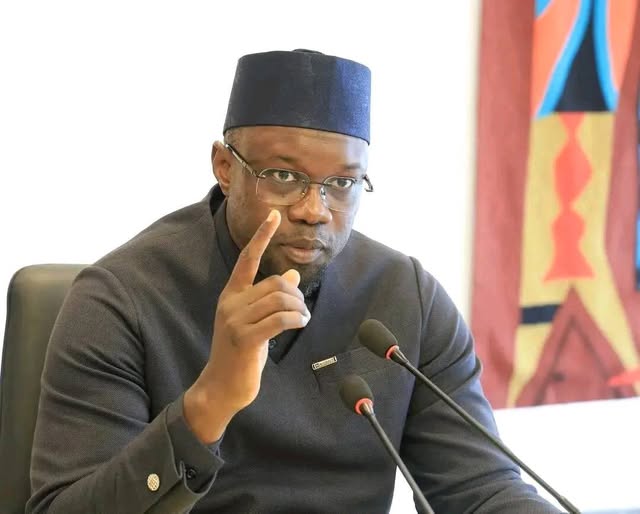
During a high-level interministerial council meeting in Dakar, Senegal’s Prime Minister Ousmane Sonko called for urgent action to unblock and finalize 62 stalled public infrastructure projects across the country. The directive, issued during the session focused on infrastructure development, underscores the government’s commitment to overcoming administrative, financial, and technical bottlenecks that have delayed critical initiatives.
Maritime and Port Infrastructure Prioritized for Swift Deployment
Sonko emphasized the need to expedite marine and port projects, urging the Minister of Fisheries and Maritime Economy to fast-track measures that ensure their rapid and efficient operation. Public-private partnerships were highlighted as a key strategy to boost performance in this sector. Among the projects under scrutiny are the Foundiougne-Ndakhonga port, the Ndangane Sambou fishing quay, the Soumbédioune landing site, and processing facilities in Rufisque. Additionally, dredging operations by the National Maritime Affairs Agency in Kaolack and Fatick are set to be optimized for enhanced functionality.
Major National Projects Face Delays, Requiring Immediate Solutions
The government has identified a total of 62 blocked infrastructure projects, including the El Hadj Ibrahima Niass University of Sine-Saloum, digital open spaces, regional airports in Saint-Louis, Matam, and Kolda, the Ndayane container terminal, cold storage units, and the Le Joola memorial. The Aristide Le Dantec Hospital in Dakar also remains affected by these delays. To address the situation, a dedicated committee will be established to oversee infrastructure assessments and monitor the implementation of decisions made during the council meeting. This body will enforce the necessary financial, administrative, and legal measures to restart and complete these projects while adhering to strict quality and cost standards.
Integration of Essential Utilities and Sustainable Maintenance
Prime Minister Sonko stressed the importance of integrating water, electricity, and telecommunications networks into public project planning. He tasked ministers with ensuring proper technical equipment management, operational models, and sustainable maintenance practices for all infrastructure. For the youth and citizenship centers under construction in multiple regions—including Tivaouane, Mbour, Linguère, Ranérou, Bambey, Diourbel, Kaolack, and Tambacounda—the deadline for full equipment and operational readiness has been set for November 30, 2026.
Agricultural and Agro-Industrial Infrastructure Gets a Boost
The interministerial meeting also addressed the Naatangué village farms and several agropoles in development at Mpal, Adéane, Dioulacolon, and Mbellacadiao. Sonko directed relevant ministries to collaborate with private partners to establish sustainable operational models that guarantee both financial viability and social impact for these agroindustrial facilities. He further explored various avenues for maximizing the value of public infrastructure, including leasing, long-term concessions, emphyteutic leases, and other public-private partnership frameworks to attract fresh investments.
Broader National Assets and Diplomatic Properties Up for Review
National stadiums, sports infrastructure, national parks, nature reserves, and the real estate assets of Senegalese diplomatic missions abroad were also on the agenda. Sonko urged public bodies to propose mechanisms for recycling and enhancing the value of state-owned real estate and land holdings, including those managed by the armed forces, to optimize their contribution to national development.