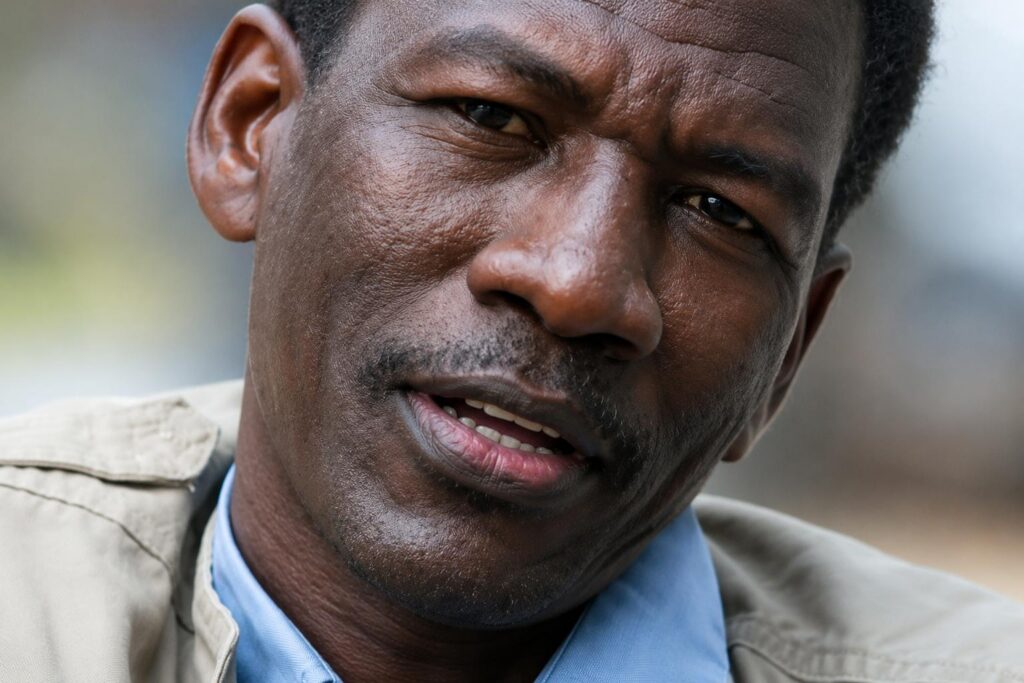
Libreville is at the heart of a pivotal economic moment as Gabon and the International Monetary Fund (IMF) advance toward a landmark financial cooperation agreement. On July 23, Vice President of the Government Hermann Immongault met with IMF representative Régis Olivier N’Sondé to lay the groundwork for a new program set to be finalized by December 2026. Central to this initiative is Gabon’s National Development Plan for the Transition (PNCD), which will serve as the blueprint for reforms aimed at securing budgetary and technical support.
PNCD: The backbone of Gabon’s economic transition
The PNCD is Gabon’s strategic roadmap for the post-transition period, designed to break free from decades of dependence on oil revenues. Its core objectives include diversifying the economy, modernizing infrastructure, and strengthening public finance governance. By aligning the PNCD with IMF negotiations, Libreville aims to bolster the country’s financial credibility and unlock much-needed fiscal flexibility. This strategy comes at a time when neighboring Cemac economies are also engaging in similar talks, underscoring the urgency of structural reforms.
The stakes are high. Years of fiscal strain, exacerbated by fluctuating oil prices, have left Gabon seeking sustainable budgetary leeway without compromising critical investments. A successful IMF agreement would not only reassure rating agencies and international investors but also signal a new era of economic resilience for the Central African nation.
An 18-month roadmap to financial stability
The timeline for finalizing the program spans 18 months, providing Gabon and the IMF with ample time to align macroeconomic assessments, set fiscal consolidation targets, and define measurable benchmarks. Past collaborations between Libreville and the IMF faced hurdles, particularly in controlling public sector wage growth and improving tax collection. This time, negotiators are determined to address these challenges upfront, ensuring a more sustainable outcome.
Régis Olivier N’Sondé, who also represents a group of African countries—including Gabon—on the IMF’s executive board, has been instrumental in facilitating this dialogue. His involvement reflects the Fund’s commitment to supporting Gabon’s political and economic transition. Key discussion points have included public debt trajectory, non-oil revenue mobilization, and the efficiency of public spending—all critical pillars of the PNCD.
Economic sovereignty and industrial transformation drive negotiations
Beyond financial aid, the proposed agreement seeks to strengthen Gabon’s economic sovereignty. A major focus is the local processing of raw materials, particularly in timber, manganese, and hydrocarbon sectors. Transition authorities are prioritizing industrial upgrading to reduce reliance on raw material exports and foster skilled employment. This shift aligns with the PNCD’s broader vision of economic resilience and long-term growth.
The business climate is another critical area under scrutiny. Traditionally, the IMF advocates for streamlined tax exemptions, greater transparency in public procurement, and stronger oversight institutions. These recommendations resonate with Libreville’s own reform agenda, though the specifics of implementation—including quantitative targets and preconditions—remain to be fine-tuned before any financial disbursements.
The coming months will see a series of IMF technical missions to Libreville, data exchanges, and the drafting of a policy memorandum. The outcome will determine whether the support takes the form of an Extended Credit Facility arrangement or a non-financial monitoring tool. For Gabon’s transitional government, the dual goal is clear: cement fiscal credibility and empower the PNCD to deliver on its ambitious objectives. Both sides have reiterated their commitment to adhering to the agreed timeline.