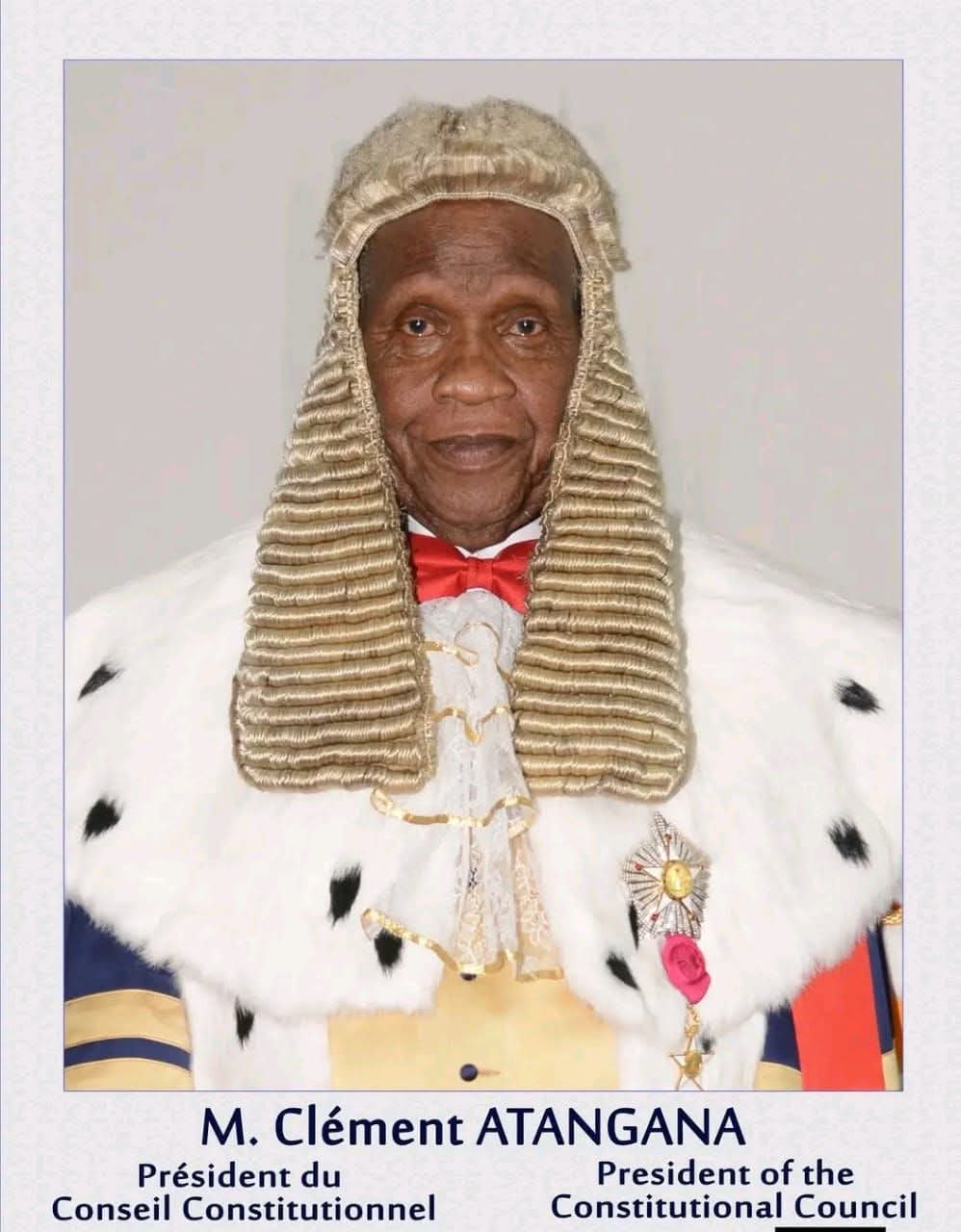
The passing of Clément Atangana, Cameroon’s longstanding constitutional council president, in Paris has ignited a fierce national debate over the legacy and future of the country’s top judiciary body.
Cameroun’s constitutional council at a crossroads after Atangana’s death
The death of Clément Atangana, who led Cameroon’s Constitutional Council for over a decade, has sent shockwaves through the nation’s political landscape. The 85-year-old jurist, evacuated to Paris for advanced medical care, passed away in the French capital on October 4, 2026.
Controversial tenure marked by electoral disputes
Atangana’s leadership was defined by moments of intense controversy, particularly during the 2018 presidential election, when his council repeatedly dismissed appeals under the infamous label “irrecevable”—rendering them inadmissible. This pattern of rulings earned him the moniker “Mr. Irrecevable” in public discourse, with critics accusing the council of bias in favor of the ruling party, the RDPC.
The judiciary’s perceived alignment with state power was further solidified when a leaked video surfaced showing Atangana celebrating Paul Biya’s re-election victory at a private family gathering. In the video, he warmly referred to Biya as “your candidate,” a statement that fueled accusations of partisanship and undermined the council’s credibility as an impartial arbiter.
Political entanglements deepen institutional skepticism
Atangana’s reputation for involvement in overtly political activities became a recurring theme. In 2025, he attended a development committee meeting in his hometown of Nyong and So’, which resulted in a motion endorsing President Biya’s candidacy for re-election. While Atangana later distanced himself from the motion, claiming participation in a non-political association meeting, the incident cemented perceptions of his alignment with the ruling party.
The timing of his death adds urgency to the conversation about the future of the Constitutional Council, especially ahead of key electoral processes. Opponents and legal experts are now demanding sweeping reforms to restore public trust in an institution that has long been seen as an extension of executive power rather than an independent judicial authority.
What lies ahead for Cameroon’s constitutional council?
The vacancy left by Atangana has intensified calls for institutional renewal. Civil society groups and opposition figures are pushing for transparent, merit-based appointments that prioritize judicial independence over political loyalty. They argue that the council’s credibility hinges on its ability to disentangle itself from partisan influences and uphold constitutional integrity.
As Cameroon navigates this critical juncture, the debate over judicial impartiality—and who will fill Atangana’s shoes—has become a litmus test for the country’s democratic trajectory. The legacy of his leadership, marked by controversy and controversy alone, now hangs in the balance.