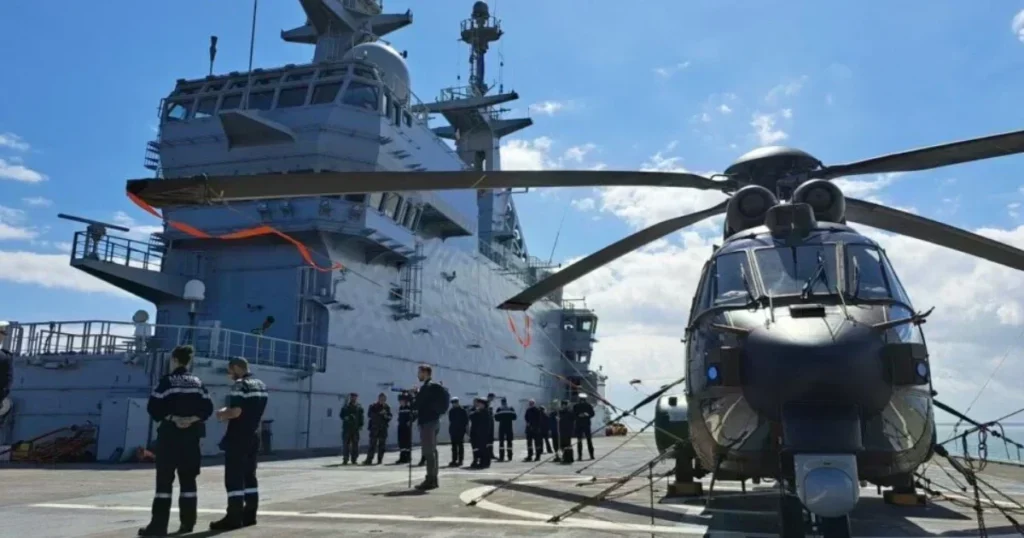
Dakar witnessed a significant moment on October 2, 2026, as the French Navy’s Mistral helicopter carrier docked in the capital, sparking intense public debate and scrutiny over the evolving dynamics of Senegal-France military cooperation. High-ranking diplomats and defense analysts weighed in on the implications of this high-profile visit, which many see as more than just a routine naval stop—it signals a potential recalibration of strategic partnerships in West Africa.
Public reactions and political fallout
The arrival of the Mistral, a symbol of France’s naval prowess and expeditionary capabilities, has ignited conversations across Senegalese society. While some view the visit as a positive step toward reinforcing bilateral defense ties, others have expressed skepticism, questioning the long-term impact of such engagements on Senegal’s sovereignty and policy independence. Political figures and civil society leaders have been vocal in their assessments, with calls for greater transparency regarding the terms of this renewed cooperation.
Social media platforms have become battlegrounds for opinions on the Mistral’s presence. Proponents highlight the potential benefits of enhanced military collaboration, including training opportunities, equipment sharing, and joint operations, particularly in the face of evolving security threats in the Sahel. Critics, however, have raised concerns about historical imbalances in such partnerships and the risk of over-dependence on foreign powers. Demonstrations, though not widespread, have occurred outside key government and military installations, underscoring the divided sentiment among the populace.
What’s driving this strategic shift?
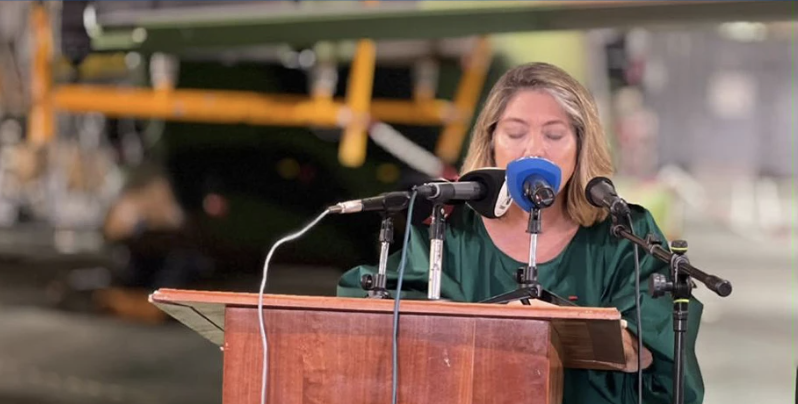
French Ambassador Christine Fages framed the Mistral’s visit as a cornerstone of a revitalized military partnership between Senegal and France, emphasizing shared strategic interests. Her remarks suggest a deliberate effort to redefine the terms of engagement, moving beyond traditional cooperation models. The choice of words—such as “renovated partnership” and “a new chapter”—reflects a calculated attempt to signal change in a region where African nations are increasingly asserting their diplomatic and security autonomy.
The timing of the Mistral’s arrival is noteworthy. It coincides with a broader reassessment of military alliances by several West African nations, as they seek to diversify partnerships and reduce reliance on former colonial powers. Observers note that Senegal, a key player in regional stability, is carefully balancing its traditional ties with France against the backdrop of a shifting geopolitical landscape in Africa.
Putting the Mistral in context: symbolism or substance?
The Mistral is no ordinary vessel—it is a versatile amphibious assault ship capable of carrying helicopters, troops, and humanitarian aid. Its deployment to Dakar is being interpreted as a strategic move by France to demonstrate its continued commitment to security in West Africa, particularly as instability persists in neighboring Sahel countries. The ship’s presence also serves as a visible reminder of France’s operational reach and logistical capabilities in the region.
While official statements have not detailed the full scope of activities planned during the Mistral’s stopover, some reports indicate joint exercises and training sessions with Senegalese armed forces. However, critics argue that symbolic gestures, like high-profile naval visits, must translate into concrete deliverables—such as increased defense funding, technology transfer, and long-term capacity-building initiatives—to justify their significance.
The road ahead: expectations and uncertainties
As discussions unfold, several key questions remain unanswered. What specific commitments will emerge from this renewed military partnership? Will the Senegalese government outline a clear roadmap for how these collaborations will align with its broader security strategy? And how will other regional actors, including neighboring countries and international partners, respond to this evolving dynamic?
For now, the Mistral’s visit has undeniably shifted the spotlight onto Senegal-France relations, forcing both sides to address public expectations and concerns. While the long-term outcomes of this engagement are still uncertain, one thing is clear: the fallout from this naval stopover will shape the discourse around military cooperation in West Africa for months to come.