Diplomatic fallout from Sonelgaz-Senelec agreements sparks regional energy debate
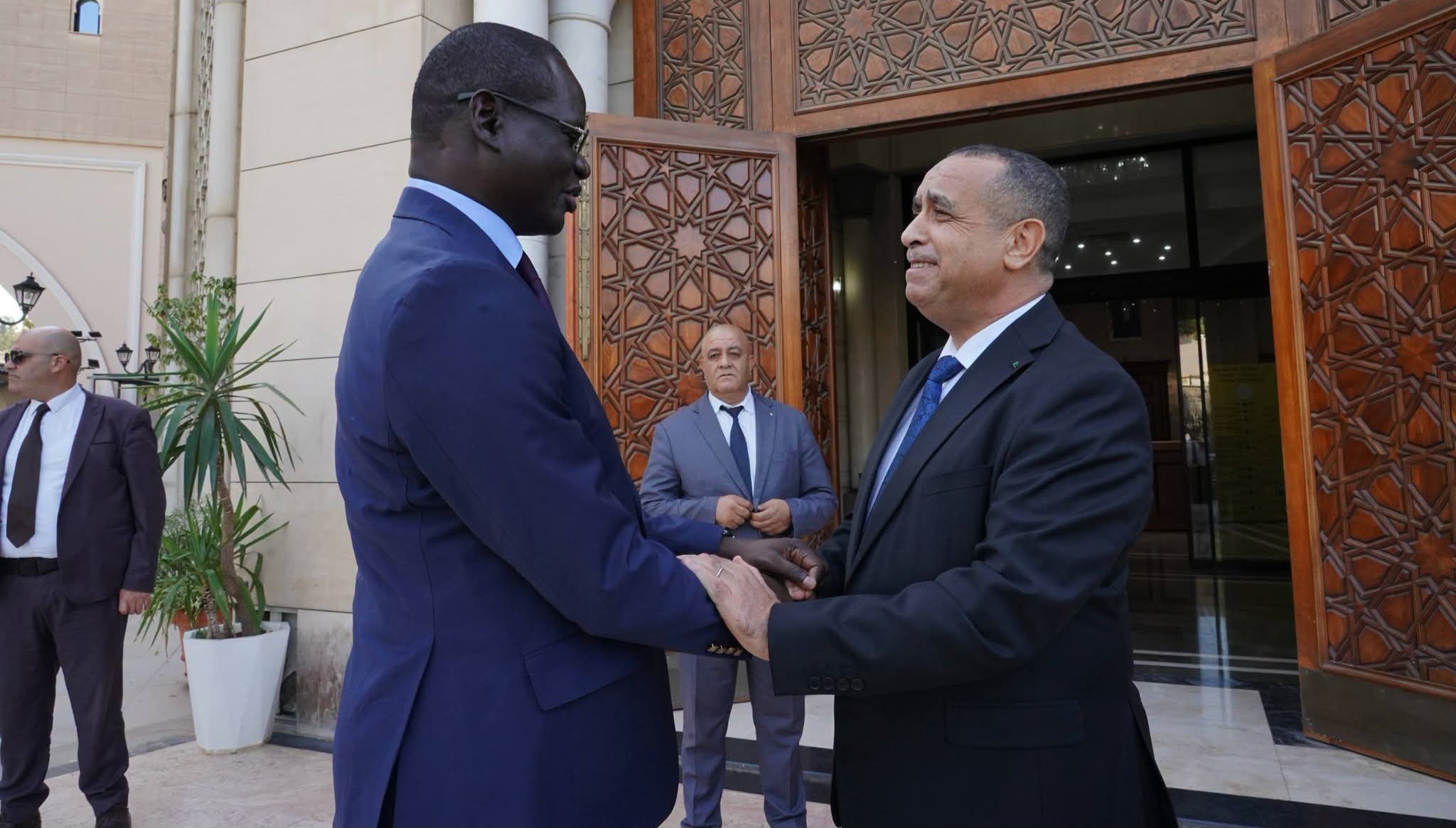
The signing of two memorandums of understanding between Algeria’s Sonelgaz and Senegal’s Senelec this October has ignited fresh discussions across West Africa about the evolving energy diplomacy landscape. While the agreements signal enhanced cooperation in electricity generation and gas distribution, critics and analysts are already dissecting what this means for regional energy independence and the future of African energy partnerships.
From hydrocarbons to know-how: Algeria’s evolving energy export strategy
Sonelgaz is no longer just exporting oil and gas—it’s positioning itself as a regional leader in energy infrastructure development. Though already active in Mali, Niger, Cameroun, Bénin, and Mauritania, the group’s move into Senegal marks a strategic expansion into one of West Africa’s most energy-hungry markets. With the country on the brink of becoming a natural gas producer, the timing of this partnership couldn’t be more critical.
The role of natural gas in Senegal’s energy future
Senegal’s impending entry into the gas production club has created a pressing need for expertise in gas-to-power infrastructure. Algeria, with decades of experience in this field, now offers a blueprint for how Senegal can leverage its own gas reserves. The agreements signed between Sonelgaz and Senelec encompass several key areas:
- Technical skill transfer and capacity building for Senegalese engineers and technicians;
- Local manufacturing and supply of electrical equipment to reduce import dependencies;
- Development of shared energy infrastructure, including interconnectivity projects;
- Joint exploration of renewable energy integration opportunities.
Dakar’s faith in Algerian expertise: strategic or risky?
Senegalese Energy Minister El Hadji Abdourahmane Diouf has publicly embraced Algeria as a “reliable partner”, framing the collaboration as a cornerstone of Senegal’s energy transition. But as regional players like Nigeria and Côte d’Ivoire develop their own gas and power sectors, questions arise: Is Senegal betting on the right horse? And what does this mean for intra-African energy cooperation moving forward?
What’s next: a formal agreement and regional implications
The October discussions in Algiers laid the groundwork for a broader governmental accord planned for December in Dakar. That agreement is expected to formalize a long-term energy cooperation framework. Industry observers suggest this could set a precedent for how North and West African nations collaborate on shared energy challenges. But with global energy markets in flux and domestic priorities in both countries still evolving, the road ahead remains complex.
As Sonelgaz cements its continental ambitions, the question on everyone’s mind is clear: Can Algeria and Senegal turn this partnership into a model for sustainable, mutually beneficial energy development—or will it become another chapter in the continent’s uneven energy transition?