Libreville, October 3, 2026 – Gabon has taken a decisive step not just to honor those who built the nation, but to fundamentally reshape how the country addresses aging and retirement. The inaugural National Day for Retirees and the Elderly, observed on October 1, 2026, did more than mark a new holiday on the calendar—it ignited a national conversation about the long-term obligations of a society toward its senior citizens.
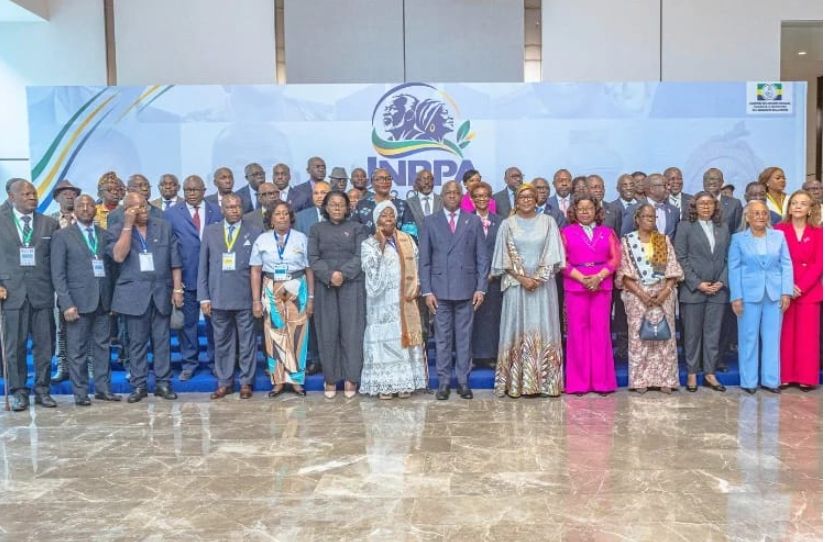
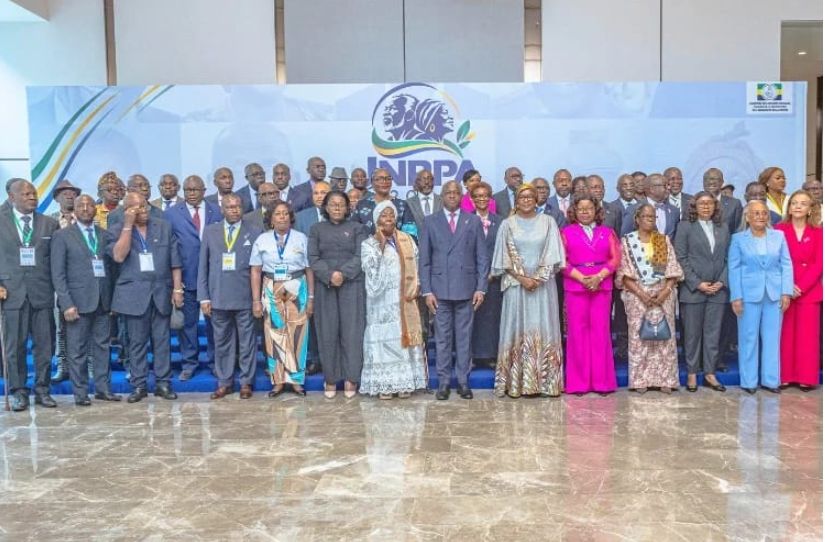
Under the banner of “Well-being of Retirees and the Elderly in the Fifth Republic Era”, the event unfolded across two key locations in the capital: the Omar Bongo Ondimba Congress Palace at the Cité de la Démocratie, where the formal ceremony took place, and the Arambo Esplanade, transformed into a vibrant hub for exhibitions, networking, and cultural activities.
From symbolic recognition to structural reform
The day began with honors. Teachers, nurses, military personnel, farmers, civil servants, and entrepreneurs—each with decades of service—were publicly recognized for their contributions to Gabon’s development. Representing President Brice Clotaire Oligui Nguema, Vice President of the Government Hermann Immongault emphasized that this was more than a ceremonial gesture.
“We are not just celebrating the past,” Immongault stated. “We are confronting a pressing question: how does a modern state support those who have dedicated their lives to its growth when they enter retirement?” His remarks underscored a shift from mere gratitude to systemic responsibility. The aging population, he argued, demands policies that go beyond pension disbursements—they require comprehensive health care, accessible infrastructure, social inclusion, and dignified living conditions.
The policy engine behind the initiative
Established by a cabinet decision on June 25, 2026, the annual observance aligns with the United Nations International Day of Older Persons. But Gabon’s approach goes further. Officials stressed that the day must catalyze action—not just reflection.
The National Pensions and Family Benefits Fund (CPPF) used the platform to unveil a suite of administrative reforms. With the slogan “Solidarity Today, for a Prosperous Tomorrow”, the agency spotlighted a digital transformation of services, a pledge to process pension claims in under 15 days, and heightened transparency in benefit management.
“Faster processing isn’t just about efficiency—it’s about restoring trust,” said Michel Tsamba, Secretary-General of the Ministry of Finance, Debt, and Public Holdings. He highlighted how bureaucratic delays and opacity have eroded confidence among retirees, particularly those dependent on state pensions.
The reforms aim to address longstanding grievances: delayed payments, opaque eligibility rules, and limited recourse for appeals. “We are moving from a culture of promises to one of delivery,” Tsamba added.
More than pensions: the unspoken challenges
Discussions during the day expanded beyond financial support. Judith Mengue, Head of the CPPF’s Estuaire Province delegation, spoke passionately about the cultural and intellectual wealth seniors bring. “These individuals are not just retirees—they are living archives of Gabon’s history,” she said. “Their knowledge in agriculture, education, and public administration is an invaluable resource we must preserve and transmit.”
This perspective challenges the prevailing narrative that frames aging solely through the lens of dependency. Instead, it reframes elders as active contributors to national development—provided they have the tools and dignity to do so.
The event’s second site, the Arambo Esplanade, reinforced this vision. Dubbed the “village of elders”, it hosted workshops on financial literacy, health screenings, intergenerational dialogue sessions, and cultural performances. The space transformed what could have been a top-down ceremony into a community platform for exchange and empowerment.
What’s next? The long road to systemic change
The launch of the National Day for Retirees and the Elderly represents only the beginning. Policy experts and civil society leaders now urge the government to convert symbolic gestures into measurable outcomes. Key areas of focus include:
- Health care integration: Expanding geriatric services, home care support, and accessible clinics—especially in rural areas.
- Urban planning: Designing age-friendly cities with barrier-free infrastructure, safe public transport, and community centers.
- Legal protections: Strengthening anti-discrimination laws and ensuring pension portability across sectors.
- Intergenerational programs: Creating platforms for knowledge transfer, mentorship, and youth engagement with seniors.
“This is not a moment—it’s a movement,” declared an attendee from a local NGO. “Honoring elders is essential. But ensuring their dignity and participation is a national imperative.”
The day concluded with cultural performances, award presentations, and a celebratory atmosphere. Yet the true impact will be measured in the months ahead: in the timeliness of pension payments, the accessibility of services, and the visibility of seniors in public life.
One thing is clear: Gabon has set a course. The question now is whether it can sustain the momentum—and whether public debate will hold institutions accountable to their promises.