Why Dakar is at the center of West Africa’s evolving defense partnerships
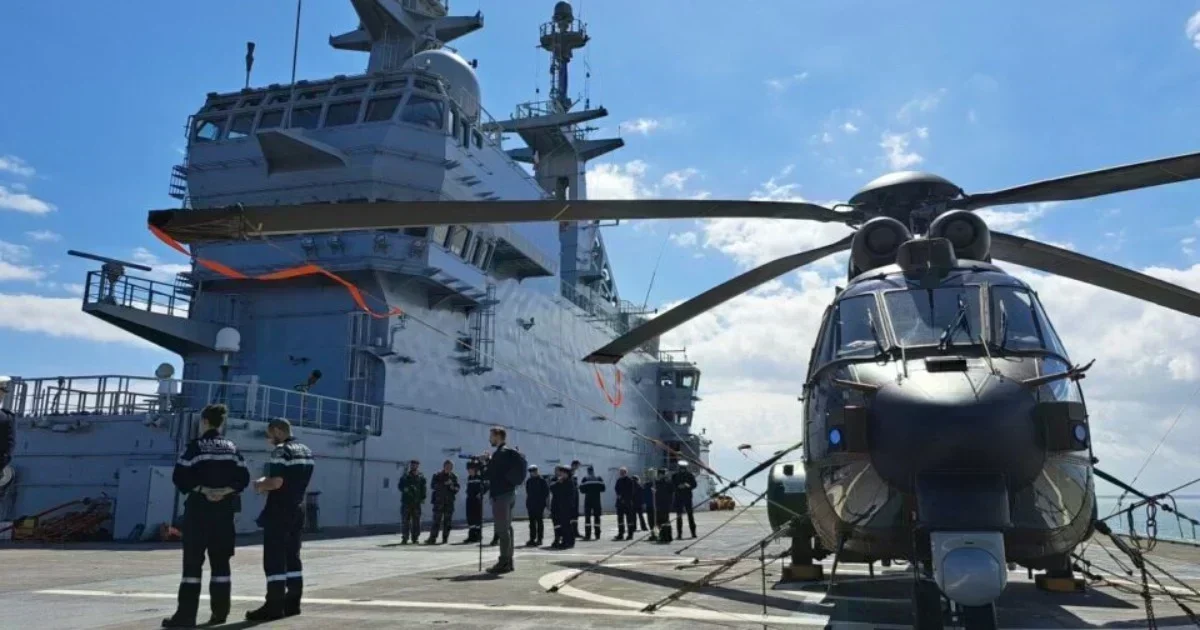
The arrival of France’s Mistral amphibious assault ship in Dakar this week has ignited a wave of reactions across political circles, security analysts, and public opinion in Senegal. Between October 2 and 6, 2026, the vessel is hosting joint tactical exercises with Senegalese forces—an initiative that underscores shifting dynamics in bilateral defense cooperation. More than a year after France withdrew its permanent military presence from Senegal, this five-day stopover is not merely symbolic; it is setting the tone for what observers describe as a renegotiated alliance.
Five days of joint operations: From theory to practice
The Mistral, one of France’s most advanced amphibious platforms, is designed to integrate air, land, and maritime operations. Its deployment to Senegal is anchored in bilateral agreements that prioritize capacity-building, interoperability, and crisis response. Over the coming days, French and Senegalese troops will conduct coordinated drills on land and at sea, with a significant portion of the program taking place at the Mont-Rolland training center in Thiès—an area recognized for its strategic role in regional security training.
The exercises are not limited to combat scenarios. They include joint command post simulations, medical collaboration through the armed forces health service, and exchanges between officers from the École supérieure de guerre and École d’état-major. Such interactions are intended to foster mutual understanding of operational doctrines—a subtle yet critical step toward building trust between the two militaries as they redefine their partnership.
Naval maneuvers and the shadow of regional instability
The maritime dimension of this visit carries particular significance. A scheduled naval exercise will test the ability of both navies to coordinate in coastal surveillance, counter-trafficking operations, and emergency response—areas of growing concern along West Africa’s Atlantic coastline. With smuggling networks and maritime insecurity on the rise, the drill highlights Senegal’s role as a key player in regional stability.
Experts note that this engagement reflects a broader trend: France’s pivot toward flexible, mission-based cooperation in Africa following the closure of its permanent bases. The Mistral’s presence is being interpreted by some as both a reassurance to Senegal and a signal to neighboring countries watching how Dakar navigates its post-withdrawal security arrangements.
Public reaction: From skepticism to cautious optimism
The visit has triggered a spectrum of responses in Senegal. Supporters argue that joint exercises maintain essential operational readiness and preserve long-standing defense relationships. Critics, however, question whether such short-term engagements can substitute for the stability once provided by a permanent French military presence. Social media has amplified the debate, with some users praising the government for keeping strategic ties alive, while others warn against over-reliance on foreign military support.
Political analysts suggest that the government’s decision to host the Mistral reflects a careful balance—one aimed at reinforcing national defense capabilities without compromising sovereignty. The timing is also strategic, coming as Senegal strengthens ties with other international partners, including the United States, the European Union, and Gulf states.
What comes next? The evolving face of Franco-Senegalese defense ties
While the Mistral’s five-day visit is temporary, its implications may be lasting. Military cooperation between France and Senegal is now characterized by episodic but high-impact engagements rather than permanent deployments. Future plans are expected to include more frequent exercises, capacity-building initiatives, and possibly expanded training programs for Senegalese peacekeepers and special forces.
For France, this model allows it to maintain influence and operational reach without the political and logistical burdens of a fixed base. For Senegal, it offers a pathway to modernize its armed forces while ensuring continued access to advanced training and equipment.
The question now looms: can this evolving partnership provide the stability and security both nations seek, or does it merely postpone deeper questions about Africa’s autonomous defense capabilities?