Senegal’s political divide grows as Sonko’s ousting exposes deeper fractures
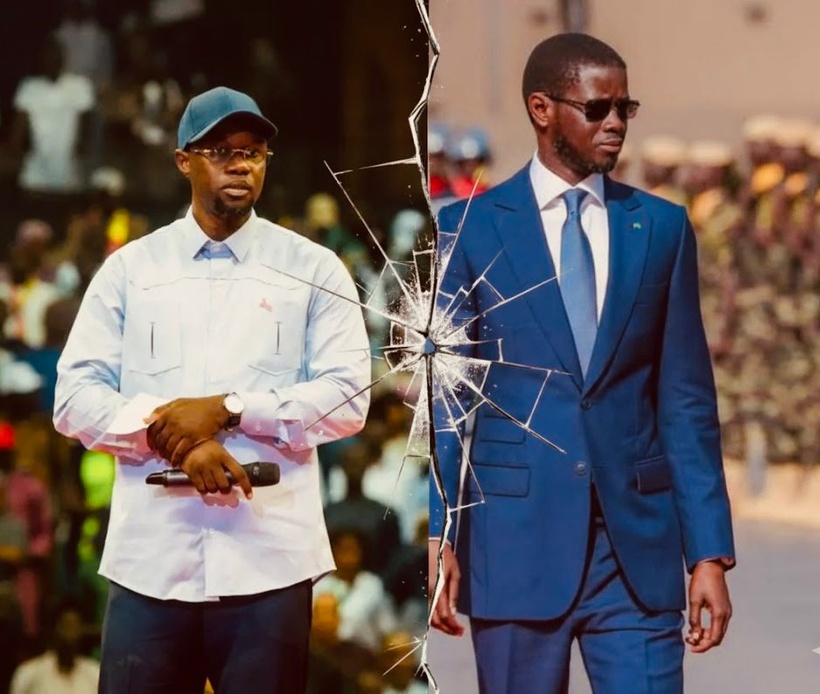
The sudden dismissal of Ousmane Sonko from his prime ministerial post has triggered an unprecedented political rupture in Senegal, revealing not just a leadership change but a fundamental shift in the balance of power. Since his removal, the former prime minister has declared a complete break from President Bassirou Diomaye Faye, denying any behind-the-scenes negotiations and labeling their political division irreversible. In a definitive statement released on social media, Sonko made it clear: “There has been no contact between us since the dismissal.”
This assertion directly counters persistent rumors of clandestine meetings orchestrated to mend the growing rift. “Those spreading falsehoods about secret discussions are mistaken,” Sonko stated, emphasizing that the rift with the ruling party, Pastef, is now definitive. What began as a structural realignment has evolved into an open political fracture, exposing underlying tensions that go beyond administrative disagreements.
The resilience of Pastef amid political turbulence
Despite the public fallout, some media analyses suggested that Pastef’s influence was waning, particularly after Saturday’s meeting where former government officials gathered to discuss their departures. However, Sonko dismissed these claims as exaggerated. “Such interpretations are no more than passing storms in a teacup,” he remarked, reinforcing that the party’s foundation remains solid.
He highlighted the party’s parliamentary strength, asserting that legislators, local officials, and public administrators remain firmly committed to Pastef’s vision. “Our institutional and political foundations are stronger than interest groups driven solely by personal gain,” Sonko argued, positioning the party as a bastion against opportunistic maneuvering.
Elections as the ultimate referee: Sonko’s confidence in the democratic process
Addressing concerns of internal dissent within Pastef, Sonko reiterated his party’s unity, dismissing rumors of factions plotting his downfall. He warned of covert operations aimed at destabilizing the movement, urging supporters to stay vigilant. “Had we not identified the schemes being plotted against us, the situation would have been far worse,” he cautioned.
By rejecting any behind-the-scenes reconciliation efforts, Sonko positioned himself firmly against negotiations conducted without the input of party members. Instead, he framed the political confrontation as one to be decided by the electorate. “The Senegalese people will be the final arbiters in this contest,” he declared. “And we are ready for the verdict at the ballot box.”
What lies ahead for Senegal’s political trajectory
This rupture exposes a deeper struggle within Senegal’s political elite, where loyalty, ambition, and ideological alignment intersect. The timing of Sonko’s removal, coupled with his defiant stance, suggests a reconfiguration of alliances that could define the country’s governance for years to come.
The coming months will reveal whether this division solidifies into permanent political blocs or if the tensions ease under pressure from upcoming elections. One thing remains clear: the alliance forged between Sonko and Faye has irretrievably collapsed, leaving both the ruling party and its opponents to navigate a new and unpredictable political landscape.