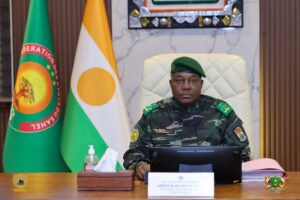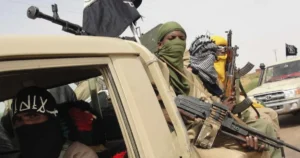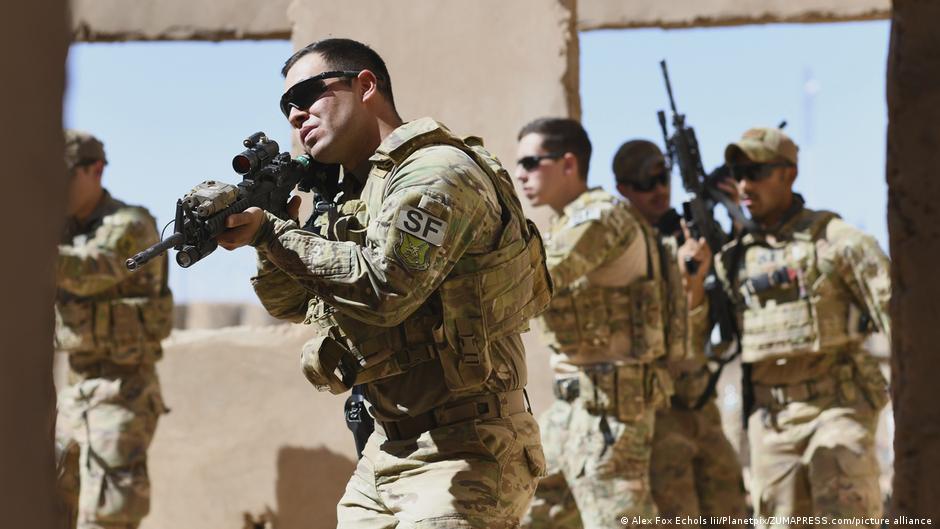
The United States continues to engage in security cooperation with the military-led governments of Burkina Faso, Mali, and Niger—nations governed by juntas that came to power through coups. This strategic alignment was confirmed by General John Brennan, Deputy Commander of U.S. Africa Command (AFRICOM).
“We are still collaborating. In fact, we have shared intelligence with some of these governments to target key terrorist cells, though the landscape has shifted dramatically compared to just two or three years ago”, Brennan stated.
“Our goal is to work with them to clarify our intentions of providing support, but there are clearly competing actors spreading misinformation and discrediting our efforts. We are actively countering these narratives”, he added.
why pragmatism drives Washington’s Sahel strategy
According to experts, the U.S. approach reflects a pragmatic anti-terrorism stance, despite concerns about the legitimacy of regimes formed by coups. The broader American interests in the Sahel extend beyond counterterrorism, as noted by Abdoulmoumouni Abbas, a researcher specializing in radicalization and violent extremism in the Sahel and Lake Chad regions.
“The U.S. has significant stakes in the region. At times, its presence in Agadez has been justified by efforts to combat drug trafficking, transnational crime, terrorism, and migration issues—all of which, particularly organized cross-border crime, continue to escalate”, Abbas explained.
u.s. adjusts Sahel engagement amid shifting regional dynamics
Over recent months, the U.S. military has intensified its support to Nigeria, supplying equipment and intelligence to combat Islamic State-affiliated jihadists. However, General Brennan clarified that Washington has no intention of replacing its military bases in Niger, following the forced withdrawal of American troops by local authorities—a move aimed at reassuring regional public opinion.
This balanced approach underscores the U.S. strategy to maintain influence in the Sahel while navigating the complexities of engaging with post-coup governments.