The situation in the Sahel is reaching a critical point, with heavy losses weighing on the region. Mali, in particular, is grappling with unprecedented violence, forcing even some panafricanist ideologues to question their once-unshakable convictions. As military setbacks and political miscalculations pile up, the harsh realities of the ground are exposing the flaws in grand strategic theories.
Military setbacks reveal cracks in Moscow’s security strategy
The coordinated assault on Kati and Kidal last weekend served as a wake-up call. Despite the substantial deployment of the Africa Corps, the boldness and precision of armed groups have laid bare the shortcomings of the Russian partnership. This brazen attack in key strategic zones underscores the growing inefficacy of a security approach that was once touted as foolproof but now appears to be faltering.
Kemi Seba’s evolving stance: from ally to critic of Russian influence
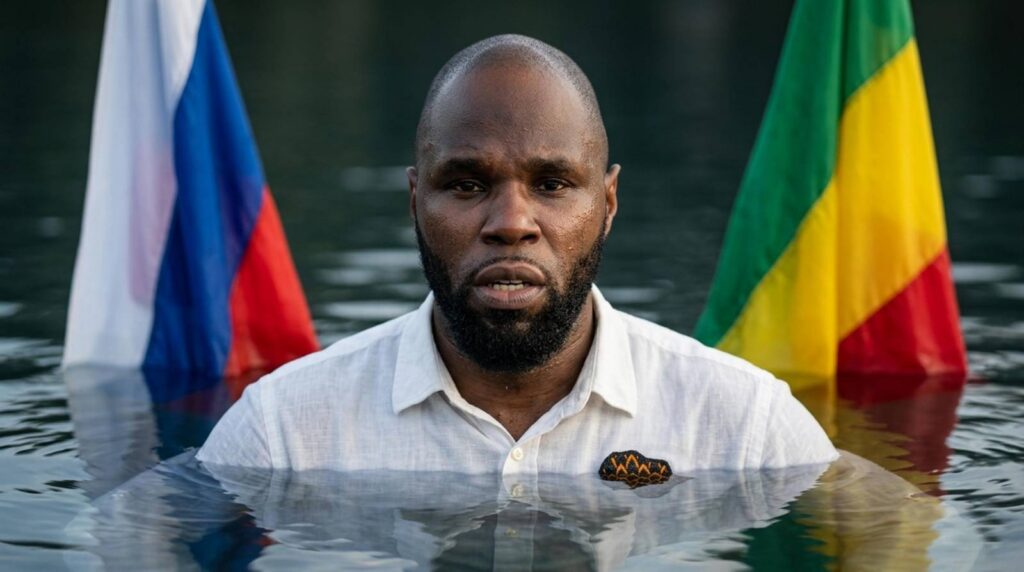
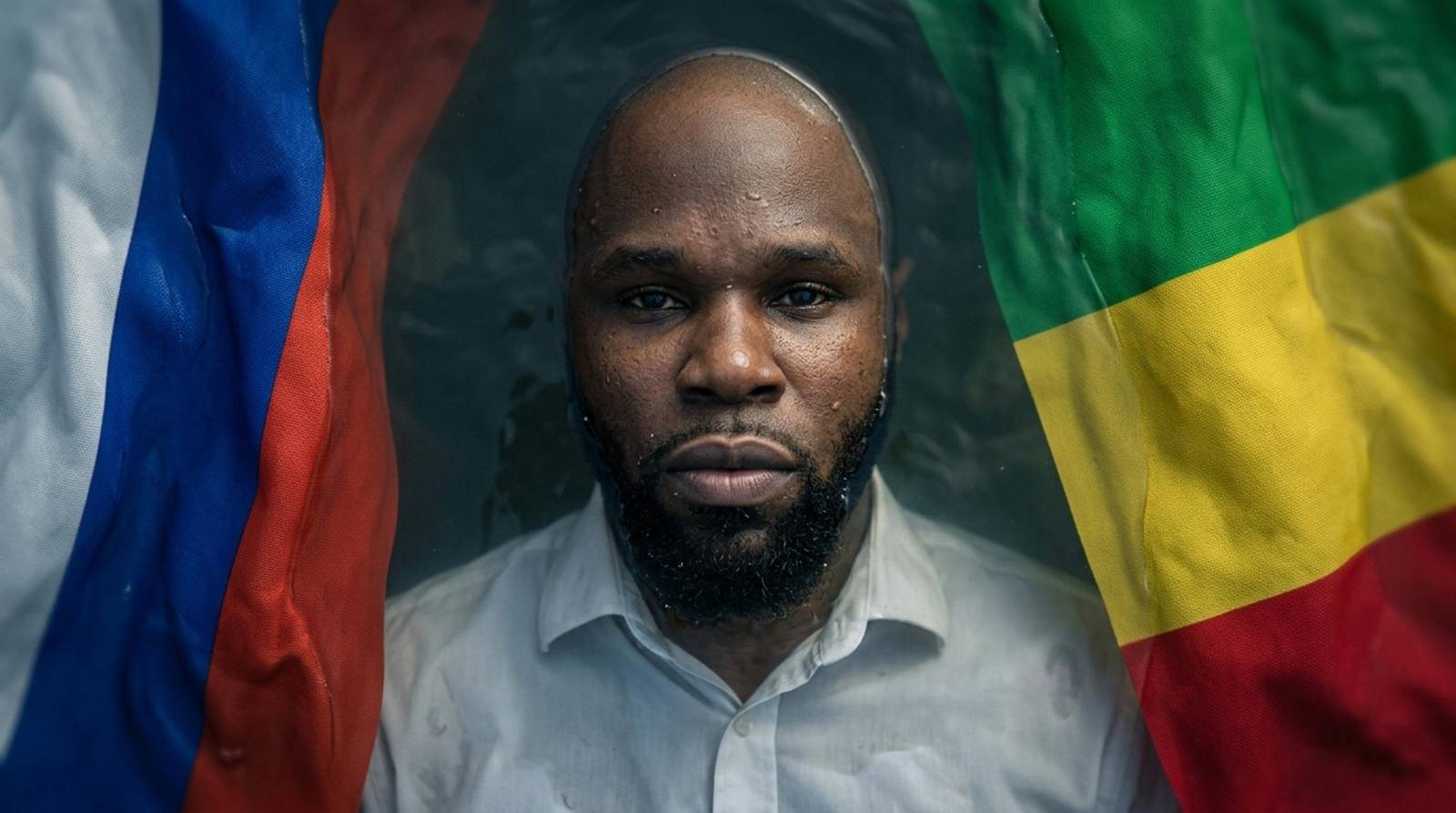
Amidst this turmoil, the stance of Kemi Seba has drawn attention. Once a staunch advocate for Russian influence in the Sahel, the activist has lately shifted his tone, now dismissing Moscow’s presence as nothing more than a transactional relationship. However, this change isn’t a sudden awakening—it’s the culmination of a gradual evolution.
Seba’s transformation began long before his recent criticisms. After his arrest and subsequent forced relocation to South Africa to seek political asylum, his discourse took on a distinctly bitter edge. This involuntary exile from the Sahel marked a turning point. Today, by exposing Russia’s focus on extracting mineral resources, he is merely acknowledging a rift that started forming when he left the region. The former ‘liberator’ now seems fully aware that his priorities no longer align with those of his former ally.
The AES alliance confronts harsh realities
The uncertainty isn’t confined to Seba’s shifting allegiances. For Burkina Faso and Niger, the events in Mali serve as a stark warning. The once-touted narrative of a miraculous Eastern alternative is colliding with a brutal truth: insecurity is worsening, and the cost of foreign support is increasingly compromising their sovereignty.
The Sahel now stands at a crossroads. With a Russian partner seemingly driven by self-interest and media voices adjusting their stances for personal gain, the people of the region remain in desperate need of a real, sustainable solution to their security challenges.